
 Emily Carter
A mouthguard is one of the simplest ways to protect your teeth from injury, whether you play contact sports, grind your teeth at night, or have braces. But not all mouthguards are the same. Choosing the wrong type can mean a poor fit, inadequate protection, or constant discomfort that makes you stop wearing it altogether.
In this guide, we break down the three main types of mouthguards, compare the pros and cons of each, and help you decide which one is the best fit for your needs and budget.
The Three Types of Mouthguards
All mouthguards fall into one of three categories based on how they are made and how they fit. Here is a quick comparison before we go into detail on each.
| Feature | Stock | Boil-and-Bite | Custom-Fit |
|---|---|---|---|
| Fit | Generic, one-size | Semi-custom, moldable | Exact fit from dental impression |
| Comfort | Bulky, may shift | Moderate | Best comfort |
| Protection level | Basic | Good | Best |
| Cost | $5 to $20 | $15 to $50 | $300 to $600 |
| Durability | Weeks to months | One season (3 to 6 months) | 2 to 5 years |
| Available from | Sporting goods stores | Sporting goods stores, pharmacies | Dentist only |
1. Stock Mouthguards
Stock mouthguards are the most basic option. They come pre-formed in a set size and shape, require no preparation, and are ready to wear straight out of the package. You can find them at most sporting goods stores and pharmacies for under $20.
Pros
- Cheapest option available
- No preparation or fitting needed
- Easy to find at retail stores
- Good for occasional or emergency use
Cons
- Poor fit. Because they are pre-formed, stock mouthguards do not conform to your teeth. They tend to feel bulky and loose, making it difficult to talk and breathe normally.
- Limited protection. A mouthguard that does not stay firmly in place cannot absorb impact effectively. It may shift or even fall out during activity.
- Uncomfortable for extended wear. Many people stop wearing stock mouthguards because of the discomfort, which defeats the purpose entirely.
Best for: Casual or recreational athletes who need basic, affordable protection for occasional use or low-contact activities. A stock mouthguard is better than no mouthguard, but if you play sports regularly, consider upgrading to a boil-and-bite or custom-fit option.
2. Boil-and-Bite Mouthguards
Boil-and-bite mouthguards are made from thermoplastic material that softens when heated. You place the guard in boiling water for a specified time, let it cool briefly, then bite down to mold it to the shape of your teeth. After it cools and hardens, you have a semi-customized fit.
Pros
- Better fit than stock. Molding to your teeth gives a noticeably more secure and comfortable fit.
- Affordable. Most boil-and-bite guards cost $15 to $50, making them accessible for youth and recreational athletes.
- Re-moldable. Many brands allow you to reheat and remold the guard if the first attempt does not fit well.
- Widely available. Sold at sporting goods stores, pharmacies, and online retailers.
Cons
- Molding takes practice. If you do not follow the instructions carefully, the mouthguard may not fit properly. Biting too hard can thin the material in critical areas.
- Less durable. The thermoplastic material wears down faster than the materials used in custom guards. Plan to replace it every sports season.
- Not ideal for braces. Boil-and-bite guards mold to your brackets and wires, which means the fit changes as your orthodontic treatment progresses.
Best for: Athletes who want a better fit at a moderate price. Boil-and-bite guards are a solid choice for youth sports, school athletics, and moderate-contact activities like basketball and soccer.
3. Custom-Fit Mouthguards
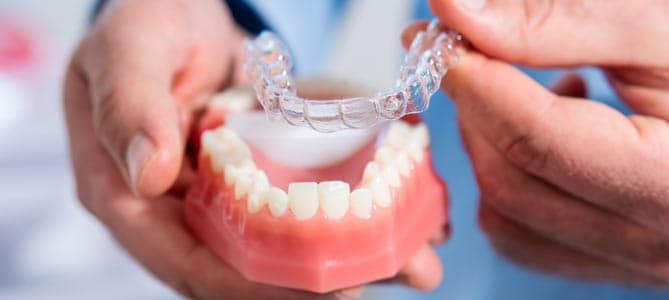
Custom-fit mouthguards are made by a dental professional using an impression or digital scan of your teeth. A dental lab fabricates the guard from high-quality materials to match the exact contours of your mouth. This process produces the best-fitting, most protective, and most comfortable mouthguard available.
Pros
- Perfect fit. Because it is made from an exact mold of your teeth, a custom guard stays firmly in place without clenching your jaw to hold it.
- Best protection. Even thickness across the guard means consistent impact absorption. Custom guards are the only type recommended by the ADA for high-contact sports.
- Comfortable enough to actually wear. The precise fit allows normal breathing and speaking, so athletes are far more likely to keep it in during play.
- Longest lasting. Higher-quality materials and precise fabrication mean custom guards can last 2 to 5 years with proper care.
Cons
- Higher upfront cost. Custom guards typically cost $300 to $600, though many dental insurance plans cover part of the cost.
- Requires a dental visit. You need at least one appointment for the impression and a follow-up for fitting.
- Turnaround time. It usually takes 1 to 2 weeks for the lab to fabricate your guard.
Best for: Serious athletes in high-contact sports, anyone with braces or orthodontic appliances, people who grind their teeth at night, and anyone who tried cheaper mouthguards and found them too uncomfortable to wear consistently.
Sports Mouthguard vs. Night Guard: What Is the Difference?
People often use "mouthguard" as a catch-all term, but sports guards and night guards serve different purposes and are designed differently.
| Feature | Sports Mouthguard | Night Guard |
|---|---|---|
| Purpose | Absorb impact from hits or falls | Prevent damage from grinding or clenching |
| Thickness | Thicker, especially in front | Thinner, even thickness |
| Material | Shock-absorbing EVA or similar | Hard acrylic, soft laminate, or dual-layer |
| Coverage | Usually upper teeth only | Upper or lower teeth (varies by design) |
| When worn | During sports or training | During sleep |
Using a sports guard as a night guard (or vice versa) is not recommended. A sports guard is too thick for comfortable sleep, and a night guard is not designed to absorb the kind of sudden impact that occurs in sports. If you need both, your dentist can make two separate custom guards optimized for each use.
Mouthguards for Braces and Invisalign
Wearing a mouthguard is even more important if you have braces. A blow to the face can break brackets, bend wires, and cut the soft tissue inside your mouth. Standard stock and boil-and-bite guards do not work well with braces because they mold to the brackets, creating an inaccurate fit that changes as your teeth move.
A custom orthodontic mouthguard is designed to fit over your braces without molding to them. It provides a comfortable, protective shell that accommodates brackets and wires. Your dentist or orthodontist can adjust the guard as your treatment progresses.
If you wear Invisalign, your clear aligners provide some minimal protection, but they are not a substitute for a sports mouthguard during contact sports. Talk to your dentist about whether you need a separate sports guard for your activities.
How to Choose the Right Mouthguard
The best mouthguard for you depends on several factors. Use this guide to narrow down your options:
By Activity Level
- High-contact sports (football, hockey, boxing, martial arts, lacrosse): Custom-fit mouthguard
- Moderate-contact sports (basketball, soccer, wrestling, skateboarding): Boil-and-bite or custom-fit
- Low-contact or recreational sports (cycling, rollerblading, casual basketball): Boil-and-bite
- Teeth grinding (bruxism): Custom night guard from your dentist
By Age
- Children (under 12): Boil-and-bite guards work well because they can be replaced frequently as the child grows. A custom guard is a good investment once the child has most of their permanent teeth and plays competitive sports.
- Teens: Boil-and-bite for recreational play. Custom-fit for competitive or high-contact sports. If your teen has braces, a custom orthodontic guard is strongly recommended.
- Adults: Custom-fit guards are the best long-term value. They last years, fit perfectly, and are comfortable enough for consistent use.
Custom Mouthguards at MySmile Dental Care
At MySmile Dental Care in Anaheim Hills, we offer a range of custom-fitted mouthguards designed for athletes and patients of all ages:
Single-Layer Guards
Lightweight and comfortable, single-layer guards provide essential protection for low-impact sports and recreational activities. They are thinner than multi-layer options, making them easy to wear for extended periods.
Tri-Layer Guards
Built for athletes in high-impact sports like football, hockey, and martial arts, tri-layer guards use three layers of durable material to absorb and distribute impact forces. They offer the highest level of protection we provide.
Orthodontic Guards
Designed specifically for patients with braces, these custom guards accommodate brackets and wires while delivering full protection. They allow you to play confidently without worrying about damage to your orthodontic work.
Night Guards
If you grind your teeth during sleep, our custom night guards protect your enamel and prevent jaw discomfort. Each guard is fabricated from a precise impression of your teeth, so it fits comfortably enough for nightly wear.
How to Care for Your Mouthguard
Proper care extends the life of your mouthguard and keeps it hygienic:
- Rinse before and after each use with cool or lukewarm water (never hot water, which can warp the material).
- Brush gently with a soft toothbrush and mild soap or non-abrasive toothpaste.
- Store in a ventilated case to allow air circulation and prevent bacterial growth.
- Keep away from heat. Do not leave your mouthguard in a hot car, in direct sunlight, or near a heat source.
- Bring it to dental visits. Your dentist can check for wear and ensure it still fits properly.
- Replace when worn. If it becomes thin, cracked, warped, or no longer fits snugly, it is time for a new one.
Mouthguard Cost Comparison
Here is what you can expect to pay for each type of mouthguard, along with how the cost compares to treating a dental injury:
| Mouthguard Type | Cost | Lifespan |
|---|---|---|
| Stock | $5 to $20 | Weeks to months |
| Boil-and-bite | $15 to $50 | 3 to 6 months |
| Custom sports guard | $300 to $500 | 2 to 5 years |
| Custom night guard | $300 to $600 | 3 to 5 years |
For perspective, treating a knocked-out or fractured tooth can cost $1,000 to $5,000+ depending on whether you need a dental implant, crown, or root canal. A custom mouthguard pays for itself the first time it prevents a serious injury.
Many dental insurance plans cover custom night guards when teeth grinding is diagnosed. Sports guards may also be partially covered. Check with your provider, and ask us about financing options if cost is a concern.
When to Talk to Your Dentist About a Mouthguard
Consider scheduling an appointment if:
- You play any sport with a risk of contact or falls
- Your child is starting organized sports
- You wake up with jaw soreness, headaches, or your partner hears you grinding at night
- Your current mouthguard is uncomfortable or does not stay in place
- You have braces and need protection during sports
- Your existing mouthguard is worn, cracked, or warped
Dr. Mehru Bhatia at MySmile Dental Care in Anaheim Hills can evaluate your needs and recommend the right type of mouthguard for your situation. Custom fittings are quick and painless, and most guards are ready within 1 to 2 weeks.
Ready to protect your smile? Schedule a mouthguard consultation online or call us at (714) 998-4151.
Frequently Asked Questions
What are the different types of mouthguards?
There are three main types of mouthguards: stock mouthguards (pre-formed, ready to wear), boil-and-bite mouthguards (moldable thermoplastic), and custom-fit mouthguards (made by a dentist from an impression of your teeth). Stock mouthguards are the cheapest but offer the least protection. Custom-fit mouthguards provide the best fit, comfort, and protection.
What is the difference between a sports mouth guard and a dental mouth guard?
A sports mouthguard is designed to absorb impact and protect teeth during athletic activities. A dental mouthguard (often called a night guard) is designed to prevent damage from teeth grinding or clenching during sleep. Sports guards are thicker and cover the front teeth more heavily, while night guards focus on creating an even bite surface. Both can be stock, boil-and-bite, or custom-made, but custom-fit versions from your dentist provide the best results for either purpose.
Are stock mouthguards any good?
Stock mouthguards provide basic protection and are better than no mouthguard at all. However, because they come in a fixed size and cannot be adjusted, they tend to fit loosely, feel bulky, and can shift during activity. The American Dental Association and most dentists recommend boil-and-bite or custom-fit mouthguards for better protection and comfort, especially for contact sports.
Which type of mouthguard is best for sports?
For high-contact sports like football, hockey, boxing, and martial arts, a custom-fit mouthguard from your dentist provides the best protection. It stays securely in place during impacts, absorbs force more effectively, and allows you to breathe and speak normally. For recreational or low-contact sports, a boil-and-bite mouthguard offers a good balance of protection and affordability.
Do I need a mouthguard if I have braces or Invisalign?
Yes, wearing a mouthguard with braces is especially important because a blow to the face can damage brackets and wires or cut the inside of your mouth. You need an orthodontic mouthguard designed to fit over braces. Stock and boil-and-bite guards do not work well with braces because they mold to the brackets. A custom orthodontic mouthguard from your dentist accommodates your braces while providing full protection. If you wear Invisalign, talk to your dentist about whether your aligners provide any protection during low-risk activities.
How much does a custom mouthguard cost?
A custom-fit mouthguard from a dentist typically costs between $300 and $600, depending on the type and complexity. Sports guards tend to be on the lower end, while night guards for teeth grinding may cost more. Many dental insurance plans cover part or all of the cost of a custom night guard if teeth grinding is diagnosed. Compare this to replacing a knocked-out tooth ($1,000 to $5,000 for an implant), and a custom mouthguard is a worthwhile investment.
How long does a mouthguard last?
A stock mouthguard may last only a few weeks to a couple of months with regular use. A boil-and-bite mouthguard typically lasts one sports season (3 to 6 months). A custom-fit mouthguard can last 2 to 5 years with proper care. Children and teens may need replacement more frequently as their teeth and jaws are still growing. Replace any mouthguard that shows signs of wear, thinning, or no longer fits snugly.
Can a mouthguard help with teeth grinding?
Yes, a night guard is a type of mouthguard specifically designed for teeth grinding (bruxism). It creates a barrier between your upper and lower teeth, preventing enamel wear, jaw pain, and headaches caused by grinding. Over-the-counter night guards are available, but a custom night guard from your dentist fits better, lasts longer, and is more comfortable for nightly use. If you wake up with jaw soreness, headaches, or worn-down teeth, ask your dentist about a custom night guard.
How do I clean and care for my mouthguard?
Rinse your mouthguard with cool water before and after each use. Brush it gently with a soft toothbrush and mild soap or non-abrasive toothpaste. Do not use hot water, as heat can warp the material and ruin the fit. Store it in a ventilated case to prevent bacterial growth. Bring it to your dental checkups so your dentist can inspect it for wear. Avoid leaving it in direct sunlight or in a hot car.
What sports require a mouthguard?
The American Dental Association recommends mouthguards for any sport with a risk of contact to the face, including football, hockey, lacrosse, boxing, martial arts, basketball, soccer, wrestling, rugby, skateboarding, and mountain biking. Many youth sports leagues require mouthguards. Even in non-contact sports like gymnastics or cycling, a mouthguard can protect against falls and accidental impacts.
Disclaimer
This article is for informational purposes only and does not constitute dental or medical advice. It is not a substitute for professional dental care, diagnosis, or treatment. Always consult your dentist or other qualified health care provider with any questions you may have about a dental condition or treatment. Reading this content does not establish a patient-provider relationship with MySmile Dental Care.
Need a Custom Mouthguard?
Whether you need a sports guard, night guard, or orthodontic mouthguard, Dr. Bhatia can create a custom-fit solution that protects your teeth and feels comfortable. Visit MySmile Dental Care in Anaheim Hills for a fitting.