
 Emily Carter
If your dentist has recommended a deep cleaning, your first question is probably: is it going to hurt? You are not alone. Fear of pain is one of the top reasons people delay or avoid this procedure.
The short answer: most patients experience mild discomfort, not significant pain. With modern anesthesia and techniques, a deep cleaning is far more manageable than most people expect. In this guide, we cover exactly what happens during the procedure, what the discomfort actually feels like, how pain is managed, and what to expect during recovery.
What Is a Deep Cleaning?
A deep cleaning, formally called scaling and root planing (SRP), is a non-surgical procedure used to treat gum disease (periodontitis). Unlike a regular cleaning that focuses on surfaces above the gumline, a deep cleaning goes below the gumline to remove plaque, tartar, and bacteria that have accumulated in the pockets between your teeth and gums.
The procedure has two parts:
- Scaling: Your dentist or hygienist removes plaque and hardened tartar (calculus) from the tooth surfaces both above and below the gumline, including deep into the periodontal pockets.
- Root planing: The root surfaces of your teeth are smoothed out. This helps your gums reattach to the teeth and makes it harder for bacteria to accumulate in the future.
Deep cleaning is typically recommended when your gum pockets measure 4 millimeters or deeper. Healthy pockets are 1 to 3 millimeters. Deeper pockets indicate that bacteria have caused the gums to pull away from the teeth, and without treatment, this can lead to bone loss and eventually tooth loss.
For more on costs, see our guide on how much a deep cleaning costs without insurance.
Does Deep Cleaning Hurt? Separating Fact from Fiction
The biggest misconception about deep cleaning is that it is always a painful procedure. This belief likely comes from the idea that anything involving work below the gumline must hurt. Here is what research and patient experience actually show:
What the Research Says
A clinical study published in PubMed found that after scaling and root planing, 28% of patients reported only faint-to-weak pain, 18% experienced weak-to-mild pain, and 28% had mild-to-moderate pain. Only 8% reported moderate-to-strong pain, and another 8% experienced strong-to-intense pain. The average duration of mild or greater discomfort was about six hours, with pain levels returning to pre-procedure levels by the next morning.
In other words, the majority of patients experience mild discomfort that resolves within hours, not the severe pain many people fear.
Discomfort vs. Pain
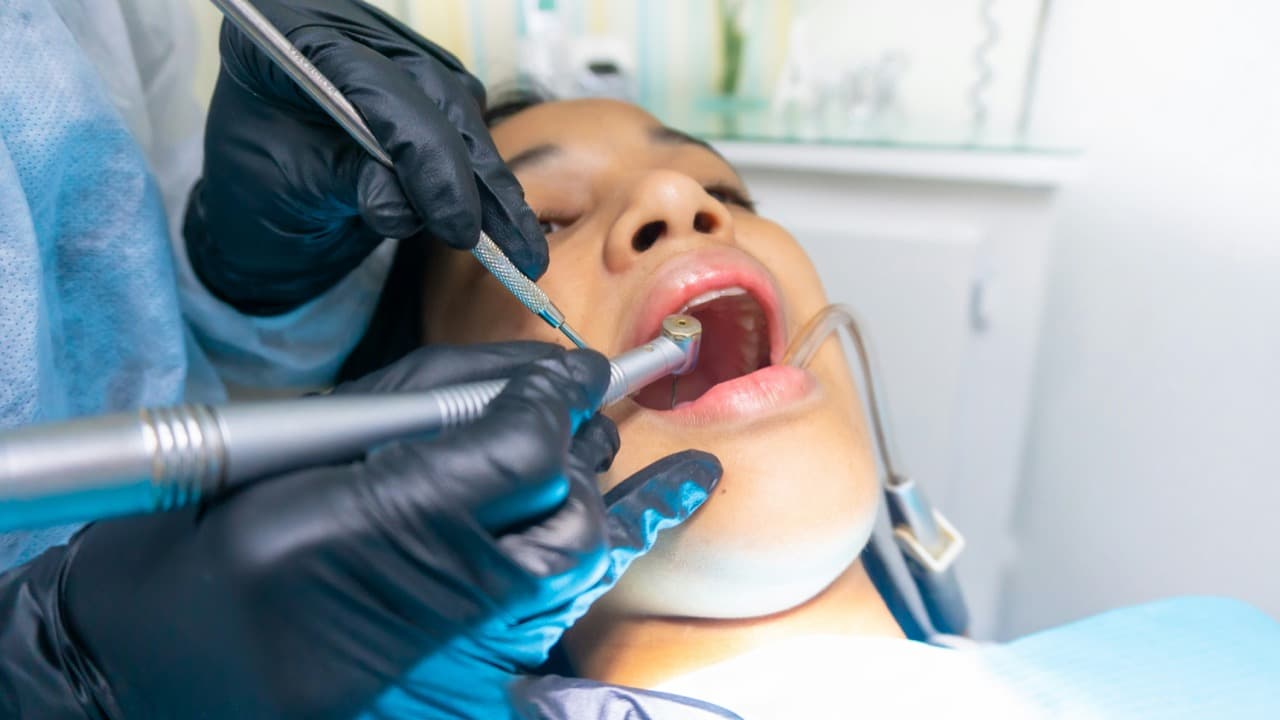
It helps to understand the distinction between discomfort and pain. During a deep cleaning with anesthesia, what most patients feel is:
- Pressure from the instruments working along the tooth surfaces
- Vibration from ultrasonic scalers (which use high-frequency sound waves to break up tartar)
- Occasional sensitivity in areas where pockets are deepest or gums are most inflamed
These sensations are mild and temporary. Sharp or throbbing pain during the procedure is not normal and usually means the anesthesia needs adjustment. Tell your dentist immediately if you feel actual pain so they can add more numbing.
What Affects How Much Discomfort You Feel
The level of discomfort varies from patient to patient. Several factors influence your experience:
Your Gum Health
If your gums are already inflamed and tender from gum disease, the tissue is more sensitive to touch. Patients with more advanced periodontal disease may experience more sensitivity during the procedure. Ironically, the patients who need deep cleaning the most are often the ones who feel it the most, but the procedure is also the most beneficial for them.
Amount of Tartar Buildup
More extensive tartar buildup requires more thorough cleaning, which means more time and instrument contact with your teeth and gums. If it has been years since your last cleaning, expect the procedure to take longer and involve slightly more sensitivity than someone with moderate buildup. Learn more about why tartar builds up and what you can do about it.
Your Personal Pain Threshold
Everyone experiences sensation differently. Some patients sit through a deep cleaning with zero complaints, while others with the same level of gum disease find it uncomfortable. Factors like age, overall health, medications, and whether you have dental anxiety all play a role.
Your Dentist's Technique
An experienced dentist or hygienist can perform the procedure more efficiently and gently. Modern tools like ultrasonic scalers remove tartar with less physical pressure than traditional hand instruments, which reduces discomfort. The choice of instruments and technique makes a real difference in how the procedure feels.
Pain Management During Deep Cleaning
You do not have to white-knuckle your way through a deep cleaning. There are effective pain management options available:
Local Anesthesia
This is the standard for deep cleaning. Your dentist injects a numbing agent (typically lidocaine) into the gum tissue around the treatment area. Within minutes, the area is completely numb and you should not feel pain during the procedure. The numbing effect lasts 2 to 4 hours after the appointment.
Some dentists also apply a topical numbing gel before the injection to minimize the sensation of the needle itself.
Nitrous Oxide (Laughing Gas)
For patients with mild to moderate dental anxiety, nitrous oxide is inhaled through a small mask placed over your nose. It produces a calm, relaxed feeling while you remain fully conscious. The effects wear off within minutes after the mask is removed, so you can drive yourself home.
Oral Sedation
A prescription sedative pill (such as Halcion) taken about an hour before your appointment can significantly reduce anxiety. You will feel drowsy and relaxed but still be awake. You will need someone to drive you to and from the appointment.
IV Sedation
For severe dental anxiety or very extensive treatment, IV sedation provides a deeper level of relaxation. You may not remember much of the procedure afterward. This option is typically reserved for longer appointments or patients who cannot tolerate dental work with other methods.
What to Expect After a Deep Cleaning
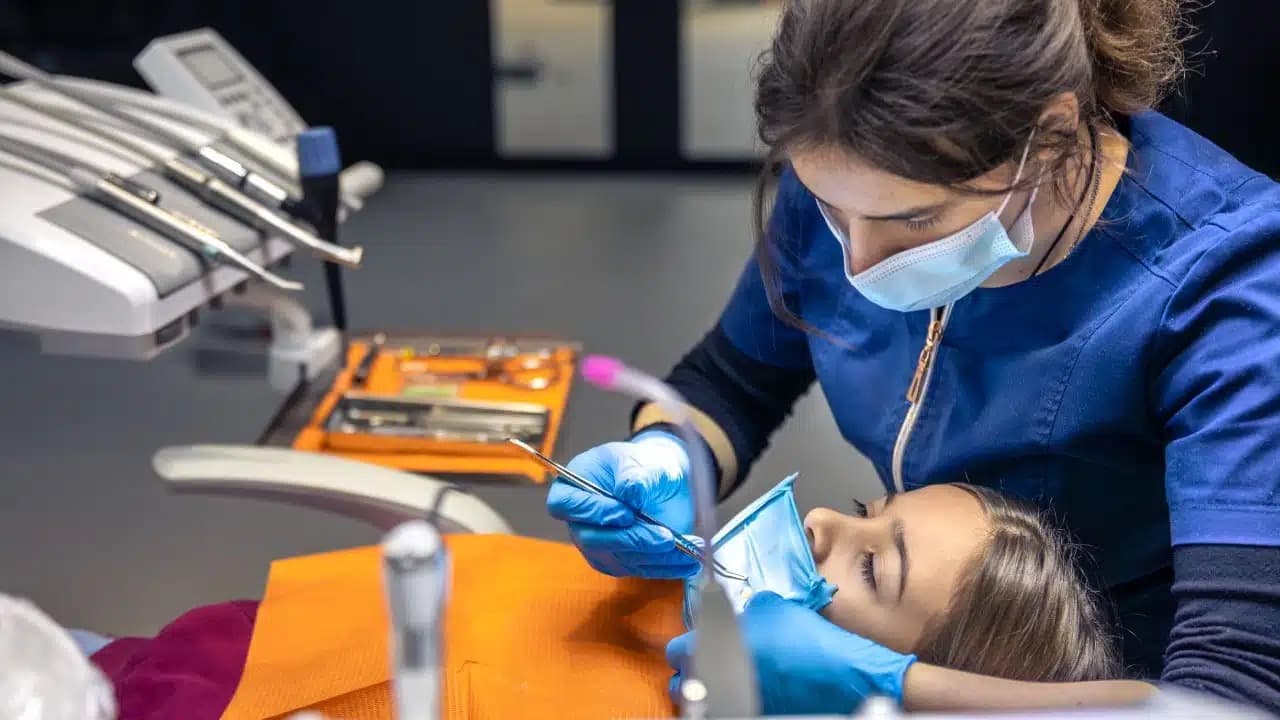
Understanding what is normal during recovery helps you avoid unnecessary worry. Here is a timeline of what most patients experience:
First 24 Hours
- Numbness from the anesthesia wears off within 2 to 4 hours. As it fades, you may notice mild soreness in your gums.
- Minor bleeding and pink-tinged saliva are normal, especially when brushing near the treated areas.
- Mild swelling of the gum tissue is common, particularly if your gums were inflamed before the procedure.
- Over-the-counter pain relievers like ibuprofen (Advil) or acetaminophen (Tylenol) are usually enough to manage any soreness.
Days 2 to 7
- Soreness and bleeding should decrease noticeably each day.
- Sensitivity to hot and cold foods and drinks is common, especially in areas where deep pockets were cleaned. This happens because removing tartar exposes root surfaces that were previously covered.
- Your gums may feel tighter as the swelling goes down and the tissue begins to heal and reattach to the teeth.
Weeks 1 to 2
- Most patients are back to normal within 1 to 2 weeks. Sensitivity gradually decreases as the gum tissue heals.
- Your gums should look pinker and healthier than before the procedure.
- If sensitivity or discomfort persists beyond 2 weeks, contact your dentist to rule out complications.

Normal Recovery vs. Warning Signs
Knowing what is normal versus what needs attention can save you unnecessary stress:
| Normal Recovery | Call Your Dentist |
|---|---|
| Mild soreness for 1 to 3 days | Pain that worsens after 48 hours |
| Light bleeding for 24 to 48 hours | Heavy bleeding that does not stop with pressure |
| Sensitivity to hot/cold for up to 2 weeks | Sensitivity that gets worse instead of better |
| Slight swelling of the gums | Significant swelling, pus, or fever |
| Gums feel tighter as they heal | Gums pulling away further or new pain |
Tips to Minimize Discomfort After Deep Cleaning
These steps help your gums heal faster and keep you comfortable during recovery:
- Take ibuprofen before the numbness wears off. This gets ahead of any inflammation before you start feeling it.
- Rinse with warm salt water (1/2 teaspoon salt in 8 ounces of warm water) 2 to 3 times a day for the first week. This soothes the gums and promotes healing.
- Eat soft, lukewarm foods for the first 24 to 48 hours. Avoid crunchy, spicy, acidic, and very hot or cold foods. See our guide on what to eat after dental procedures.
- Brush gently around the treated areas. Use a soft-bristle toothbrush and avoid aggressive brushing for the first few days.
- Avoid smoking for at least 48 hours (longer is better). Smoking slows healing and increases the risk of infection.
- Skip mouthwash with alcohol for the first few days. Alcohol-based rinses can irritate healing gum tissue. Your dentist may recommend a chlorhexidine rinse instead.
- Do not skip follow-up appointments. Your dentist will want to check your gum pocket depths 4 to 6 weeks after the procedure to see how well your gums have responded.
Deep Cleaning vs. Regular Cleaning: How Do They Compare?
If you have had a regular dental cleaning before, here is how a deep cleaning compares:
| Feature | Regular Cleaning | Deep Cleaning (SRP) |
|---|---|---|
| Purpose | Preventive maintenance | Treats existing gum disease |
| Cleaning area | Above the gumline | Above and below the gumline |
| Anesthesia | Usually not needed | Local anesthesia standard |
| Appointment time | 30 to 60 minutes | 1 to 2 hours (may be split over 2 visits) |
| Discomfort during | Minimal | Mild with anesthesia |
| Recovery | None | 1 to 14 days of mild sensitivity |
| How often | Every 6 months | As needed based on pocket depth |
Why You Should Not Avoid Deep Cleaning
Putting off a deep cleaning because of fear of pain can lead to much bigger problems:
- Gum disease progresses. Without treatment, periodontitis causes the bone supporting your teeth to deteriorate. This is the leading cause of tooth loss in adults.
- Treatment becomes more invasive. What could be handled with a non-surgical deep cleaning today may require gum surgery later if the disease advances.
- Costs increase. A deep cleaning costs $600 to $1,600 for a full mouth. Gum surgery can cost $2,000 to $10,000+, and replacing lost teeth with dental implants adds significantly more.
- Systemic health risks. Research links untreated gum disease to increased risk of heart disease, diabetes complications, and other health conditions.
The temporary mild discomfort of a deep cleaning is far less than the pain and expense of the problems it prevents.
Comfortable Deep Cleanings at MySmile Dental Care
At MySmile Dental Care in Anaheim Hills, Dr. Mehru Bhatia, DDS and our team specialize in making deep cleanings as comfortable as possible. We use modern ultrasonic scalers, provide local anesthesia as standard, and offer sedation options for patients with dental anxiety.
We take the time to explain every step of the procedure before we start, and we check in with you throughout to make sure you are comfortable. If you are nervous, tell us. We have helped hundreds of patients who were afraid of deep cleaning discover that it was far more manageable than they expected.
We accept most dental insurance plans and offer flexible financing for any out-of-pocket costs.
Ready to take care of your gum health? Schedule a deep cleaning online or call us at (714) 998-4151.
Frequently Asked Questions
Does a deep teeth cleaning hurt?
Most patients experience mild discomfort rather than actual pain during a deep cleaning. Your dentist uses local anesthesia to numb the treatment area, so you should not feel sharp pain during the procedure itself. You may feel some pressure and vibration from the instruments. After the numbness wears off, mild soreness and sensitivity are common for a few hours to a couple of days, but over-the-counter pain relievers usually manage it well.
Is deep cleaning more painful than a regular cleaning?
A deep cleaning involves working below the gumline, so it does involve more contact with sensitive gum tissue than a regular cleaning. However, because local anesthesia is used for deep cleanings (it usually is not needed for regular cleanings), many patients report that the procedure itself feels similar or even less uncomfortable than expected. The main difference is in post-procedure sensitivity, which may last a few days longer than after a regular cleaning.
How long does pain last after a deep cleaning?
Mild soreness and sensitivity after a deep cleaning typically last 1 to 3 days. Some patients experience sensitivity to hot and cold foods for up to 2 weeks, especially in areas where there was significant tartar buildup or gum inflammation. The discomfort should gradually improve each day. If pain worsens after the first 48 hours or does not improve within 2 weeks, contact your dentist.
Can I eat after a deep cleaning?
Yes, but wait until the numbness from anesthesia wears off completely (usually 2 to 4 hours) to avoid accidentally biting your cheek or tongue. Start with soft, lukewarm foods and avoid very hot, cold, spicy, crunchy, or acidic foods for the first 24 to 48 hours. Good options include yogurt, mashed potatoes, scrambled eggs, and smoothies. You can gradually return to your normal diet as sensitivity decreases.
Is it normal to bleed after a deep cleaning?
Light bleeding and pink-tinged saliva are normal for the first 24 to 48 hours after a deep cleaning, especially if your gums were inflamed before the procedure. This should decrease steadily. If you experience heavy or prolonged bleeding that does not stop with gentle pressure from damp gauze, contact your dentist. Avoid vigorous rinsing, spitting, or using a straw for the first day, as this can disrupt the healing process.
Do I need a deep cleaning if my gums are not bleeding?
Gum bleeding is one sign of periodontal disease, but it is not the only indicator. Your dentist measures the depth of the pockets between your gums and teeth. Healthy pockets are 1 to 3 millimeters deep. If your pockets measure 4 millimeters or deeper, a deep cleaning may be recommended even if your gums are not actively bleeding. Tartar below the gumline can cause bone loss without visible symptoms.
How much does a deep cleaning cost?
Deep cleaning (scaling and root planing) typically costs $150 to $400 per quadrant without insurance, or $600 to $1,600 for a full mouth. Most dental insurance plans cover deep cleaning when it is medically necessary for treating gum disease. At MySmile Dental Care, we accept most insurance plans and offer financing options to make treatment affordable.
Can I request sedation for a deep cleaning?
Yes. In addition to local anesthesia (which numbs the area), you can request sedation if you have dental anxiety or a low pain tolerance. Options include nitrous oxide (laughing gas), which helps you relax while staying awake, oral sedation (a pill taken before the appointment), or IV sedation for severe anxiety. Discuss your concerns with your dentist before the procedure so they can recommend the right option for you.
Disclaimer
This article is for informational purposes only and does not constitute dental or medical advice. It is not a substitute for professional dental care, diagnosis, or treatment. Always consult your dentist or other qualified health care provider with any questions you may have about a dental condition or treatment. Reading this content does not establish a patient-provider relationship with MySmile Dental Care.
Nervous About a Deep Cleaning?
At MySmile Dental Care, Dr. Bhatia and our team prioritize your comfort. We offer local anesthesia, sedation options, and a gentle approach so your deep cleaning is as painless as possible.