
 Emily Carter
If you have noticed yellowish or brownish buildup along your gumline or between your teeth, you are probably wondering if you can remove tartar at home without going to the dentist.
Here is the honest answer: you can prevent tartar and slow its buildup at home, but once tartar has fully hardened, only a dental professional can safely remove it. Attempting to scrape off calcified tartar yourself risks damaging your enamel and injuring your gums.
This guide explains exactly what you can and cannot do at home, which methods actually help, which ones to avoid, and when it is time to see a dentist.
What Is Tartar (and How Does It Form)?
Tartar, also called dental calculus, is hardened plaque. Plaque is the soft, sticky film of bacteria that constantly forms on your teeth. If plaque is not removed by brushing and flossing within 24 to 72 hours, it begins to absorb minerals from your saliva and calcifies into tartar.
Once tartar has hardened, it bonds tightly to your tooth enamel. No amount of brushing or flossing will remove it. It can only be removed with professional dental instruments.
Tartar forms in two locations:
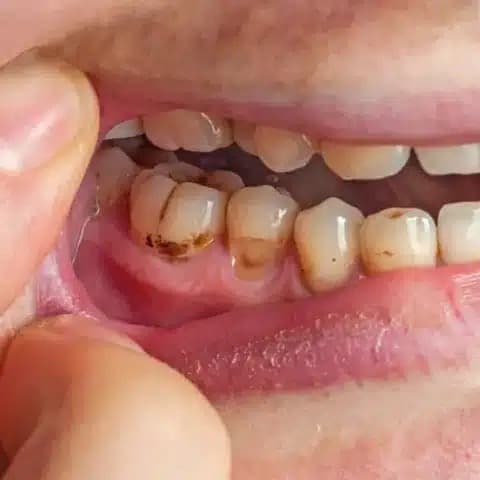
- Above the gumline (supragingival tartar): Appears as yellow, tan, or brown buildup, usually on the inside surfaces of lower front teeth and the outer surfaces of upper molars near the salivary glands
- Below the gumline (subgingival tartar): Appears dark brown or black because it absorbs blood products from inflamed gum tissue. This type is more harmful because it directly contributes to gum disease and is invisible without professional examination
Why You Should Not Scrape Tartar Off at Home
You can buy dental scalers and picks online, and plenty of videos show people scraping tartar off their own teeth. This is a bad idea for several reasons:
- Enamel damage. Dental scalers are sharp instruments that require training to use properly. Incorrect angles or too much pressure can scratch and gouge enamel, creating rough surfaces where bacteria and plaque accumulate even faster.
- Gum injury. Slipping with a scaler can cut or tear gum tissue, leading to pain, bleeding, and potential infection. Damaged gums can also recede, exposing sensitive tooth roots.
- Incomplete removal. Without proper lighting, mirrors, and training, you will miss tartar deposits, especially between teeth and below the gumline. Partial removal gives a false sense of security while bacteria continue damaging your teeth and gums.
- Pushing bacteria deeper. Improperly scraping around the gumline can push bacteria and tartar fragments further below the gums, worsening inflammation and gum disease.
What You Can Actually Do at Home
While you cannot remove hardened tartar at home, you can do a lot to prevent it from forming and to remove plaque before it calcifies. These methods are genuinely effective:
Use Tartar-Control Toothpaste
Tartar-control toothpastes contain ingredients like pyrophosphates and zinc citrate that chemically inhibit the mineralization process, slowing the conversion of plaque into tartar. They also contain fluoride to strengthen enamel against decay.
Look for the ADA Seal of Acceptance when choosing a tartar-control toothpaste. Brush for a full 2 minutes twice daily, paying extra attention to the areas where tartar tends to build up: the inside of your lower front teeth and the outside of your upper back molars.
Switch to an Electric Toothbrush
Electric toothbrushes are significantly more effective at removing plaque than manual brushing. Studies show they reduce plaque by 21% more and gingivitis by 11% more than manual toothbrushes. If you are prone to tartar buildup, this is one of the most impactful changes you can make.
Sonic and oscillating-rotating toothbrushes both work well. Many models include a 2-minute timer and pressure sensors to prevent you from brushing too hard.
Floss Every Day
Tartar commonly builds up between teeth where your toothbrush cannot reach. Daily flossing removes plaque from these contact surfaces before it can harden. If you struggle with traditional floss, water flossers (like Waterpik) are an effective alternative that many patients find easier to use consistently.
Baking Soda
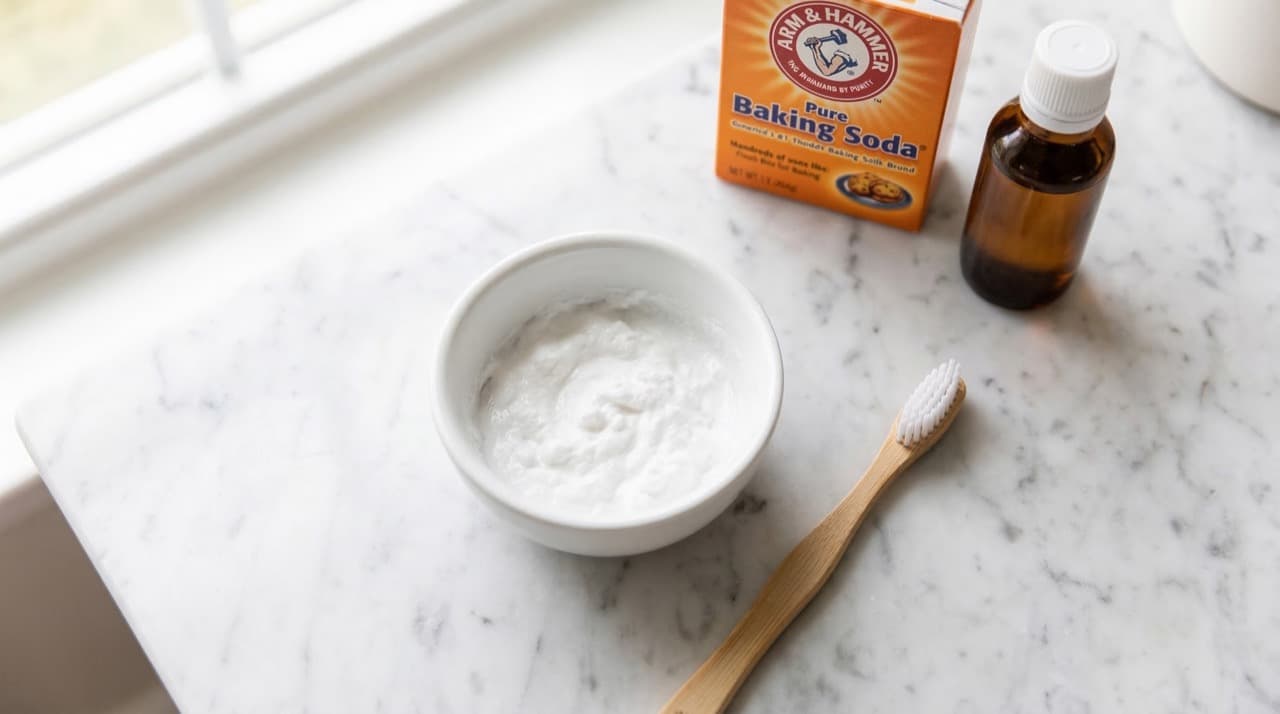
Baking soda is a mild abrasive that helps scrub away plaque before it hardens. Mix a teaspoon with a few drops of water to form a paste and brush with it 2 to 3 times per week. Baking soda also creates an alkaline environment in your mouth that makes it harder for plaque-forming bacteria to thrive.
Do not use baking soda every day, as the abrasiveness can gradually wear down enamel with overuse.
Hydrogen Peroxide Rinse

A diluted hydrogen peroxide rinse (equal parts 3% peroxide and water) can help kill bacteria and loosen soft plaque. Swish for 30 to 60 seconds and spit. Use this 2 to 3 times per week as a supplement to brushing, not a replacement.
For a detailed guide on using hydrogen peroxide safely, see our article on cleaning your teeth with hydrogen peroxide.
Antiseptic Mouthwash
An antibacterial mouthwash (like one containing cetylpyridinium chloride or essential oils) reduces the amount of bacteria in your mouth, which means less plaque forms throughout the day. Use it after brushing and flossing for maximum effect.
Dietary Changes
What you eat directly affects tartar formation:
- Reduce sugar and starch. Bacteria feed on sugars and produce the acid that starts plaque formation. Less sugar means less plaque, which means less tartar.
- Eat crunchy fruits and vegetables. Apples, carrots, and celery act as natural scrubbers that help clean tooth surfaces while you chew.
- Drink water throughout the day. Water rinses away food particles and stimulates saliva, your mouth's natural defense against plaque buildup.
- Eat cheese and dairy. Cheese raises the pH in your mouth (making it less acidic) and contains calcium that can help strengthen enamel.
Home Methods to Avoid
Several popular "remedies" circulate online that are either ineffective or actively harmful:
- Vinegar or lemon juice rinses. These are highly acidic and dissolve enamel, not tartar. Using acidic rinses regularly will make your teeth weaker and more prone to decay and sensitivity.
- At-home dental scalers/picks. Without professional training, you are far more likely to damage your teeth and gums than to successfully remove tartar.
- Walnut shell scrubs. Some websites suggest rubbing walnut shells on teeth. These are too abrasive and can scratch enamel.
- Activated charcoal. Charcoal is highly abrasive and can scratch enamel. The American Dental Association has not approved any charcoal dental product. It may remove some surface stains but will not remove tartar.
How Dentists Remove Tartar
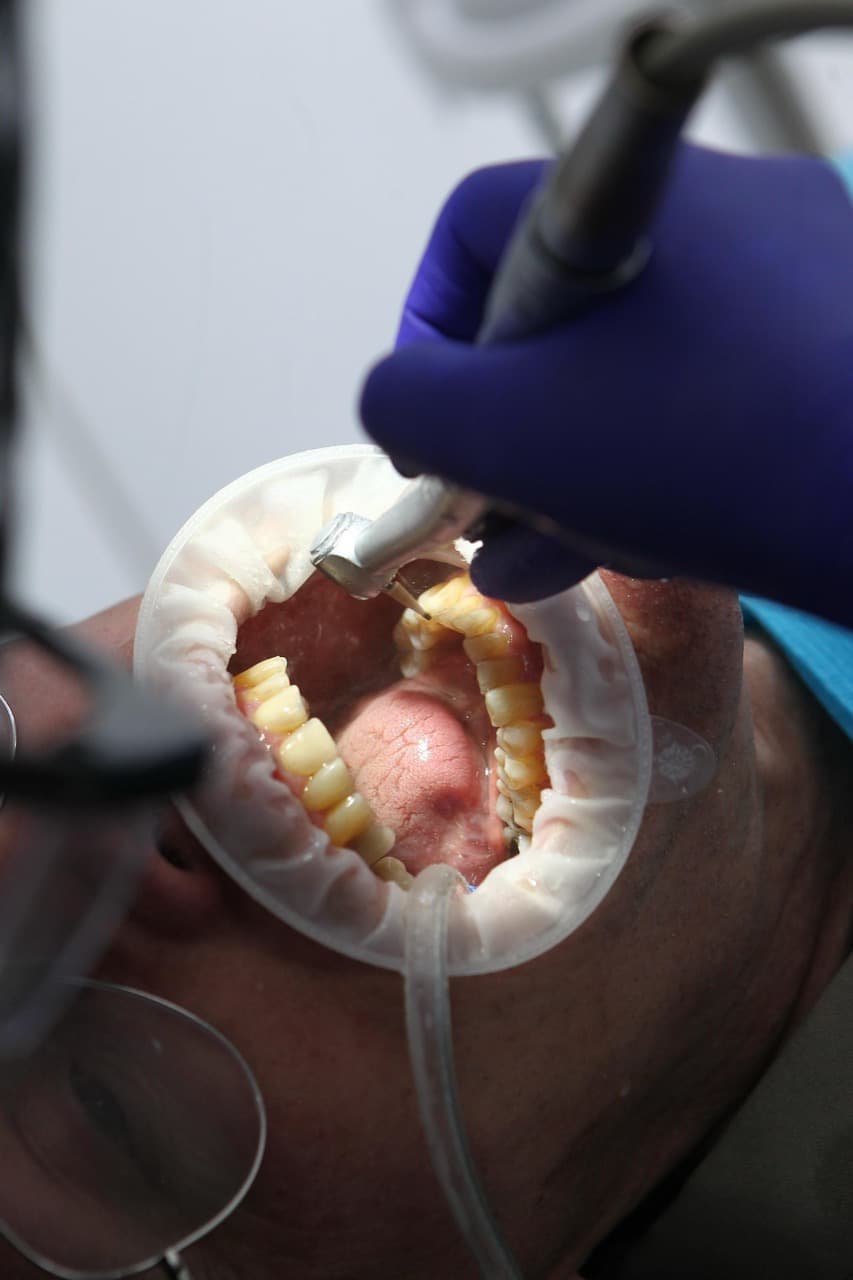
Professional tartar removal (scaling) is quick, safe, and typically painless. Here is what happens during a professional cleaning:
- Ultrasonic scaling: A vibrating instrument breaks apart tartar deposits while a water spray washes away debris. This is the most common method and is effective for both above and below the gumline.
- Hand scaling: Your hygienist uses curved metal instruments (scalers and curettes) to manually remove tartar from tooth surfaces and gum pockets. This is used for fine detail work and hard-to-reach areas.
- Polishing: After scaling, your teeth are polished with a gritty paste to smooth the enamel surface, making it harder for plaque and tartar to accumulate.
A routine cleaning typically takes 30 to 60 minutes and costs $75 to $200. Most dental insurance covers two cleanings per year at 100%. If you have significant tartar below the gumline, your dentist may recommend a deep cleaning (scaling and root planing), which is a more thorough procedure targeting gum disease.
How to Prevent Tartar Buildup
Prevention is far easier (and cheaper) than treatment. Here is a daily routine that minimizes tartar formation:
- Morning: Brush for 2 minutes with tartar-control fluoride toothpaste. Floss all contact surfaces.
- After meals: Rinse with water if you cannot brush. Avoid snacking between meals to reduce acid attacks on enamel.
- Evening: Brush for 2 minutes. Floss again. Use an antiseptic mouthwash.
- Weekly: Brush with baking soda paste 2 to 3 times per week for extra plaque removal.
- Every 6 months: Get a professional dental cleaning to remove any tartar that has formed despite good home care.
When to See a Dentist
Schedule a dental appointment if you notice any of the following:
- Visible yellow, brown, or black buildup on your teeth
- Hard, rough patches that you can feel with your tongue
- Bleeding gums when brushing or flossing
- Persistent bad breath that does not improve with brushing
- Red, swollen, or tender gums
- Teeth that feel rough even after brushing
These are signs of tartar buildup and possible gum disease. The sooner you get treatment, the simpler and less expensive it will be. Untreated tartar leads to gingivitis, which can progress to periodontitis and eventual tooth loss.
Get a Professional Cleaning at MySmile Dental Care
At MySmile Dental Care in Anaheim Hills, Dr. Mehru Bhatia, DDS and our team provide gentle, thorough cleanings that safely remove tartar and keep your gums healthy. Whether you need a routine cleaning or a deep cleaning for more advanced buildup, we have you covered.
We accept most dental insurance plans and offer flexible financing options for patients paying out of pocket.
Ready for a professional cleaning? Schedule an appointment online or call us at (714) 998-4151.
Frequently Asked Questions
Can you remove tartar at home?
You can prevent tartar and remove very early, soft buildup at home with proper brushing, flossing, and tartar-control toothpaste. However, once tartar has fully hardened (calcified), it cannot be safely removed at home. Hardened tartar requires professional dental tools to remove without damaging your enamel or gums. Home methods are most effective at preventing tartar from forming in the first place.
How to remove tartar from teeth without a dentist?
You cannot safely remove hardened tartar without a dentist. Attempting to scrape it off with dental picks, pins, or other tools risks damaging your enamel and injuring your gums. What you can do at home is prevent new tartar from forming by brushing twice daily with a tartar-control toothpaste, flossing every day, using an antiseptic mouthwash, and eating fewer sugary foods. If you have visible tartar, schedule a professional cleaning.
What dissolves tartar on teeth?
No safe substance can dissolve hardened tartar on teeth. Some websites suggest vinegar, lemon juice, or other acidic solutions, but these can erode your enamel and cause permanent damage. The only safe way to remove calcified tartar is through professional scaling with ultrasonic or hand instruments at a dental office. Tartar-control toothpastes with pyrophosphates can help prevent new tartar from hardening but cannot dissolve existing deposits.
Is it safe to scrape tartar off your teeth at home?
No, scraping tartar off your teeth at home is not safe. Dental scalers and picks require proper training to use without damaging enamel or cutting into gum tissue. Home scraping can cause enamel scratches that make teeth more vulnerable to decay, gum injuries that can lead to infection, and incomplete removal that leaves bacteria trapped underneath. Professional hygienists are trained to remove tartar safely and thoroughly.
How to remove black tartar from teeth?
Black tartar (subgingival calculus) forms below the gumline where it absorbs blood and minerals from the surrounding tissue. It cannot be removed at home and requires professional treatment. Your dentist may recommend a deep cleaning (scaling and root planing) to remove black tartar from below the gumline. This is especially important because subgingival tartar is a major cause of gum disease progression.
Does baking soda remove tartar?
Baking soda cannot remove hardened tartar, but it can help prevent tartar from forming. Baking soda is mildly abrasive and helps remove plaque (the soft precursor to tartar) from tooth surfaces. Brushing with a baking soda toothpaste or a paste of baking soda and water 2 to 3 times per week can reduce plaque buildup, which means less tartar forms over time. It is most effective as a preventive measure, not a treatment for existing tartar.
How long does it take for plaque to turn into tartar?
Plaque can begin to harden into tartar in as little as 24 to 72 hours if it is not removed by brushing and flossing. Once tartar has fully calcified, it can only be removed by a dental professional. This is why brushing twice daily and flossing once daily is so important. If you miss even a day or two of proper oral hygiene, plaque in hard-to-reach areas can start mineralizing.
How often should I get a professional cleaning to prevent tartar?
Most people should get a professional dental cleaning every 6 months. If you are prone to heavy tartar buildup, have gum disease, or smoke, your dentist may recommend cleanings every 3 to 4 months. Regular professional cleanings remove tartar that has formed since your last visit and help prevent gum disease. The cost of a routine cleaning ($75 to $200) is far less than treating the gum disease that untreated tartar can cause.
What is the best toothpaste for tartar removal?
The best toothpaste for tartar prevention (not removal of existing tartar) contains pyrophosphates or zinc citrate, which inhibit tartar formation, along with fluoride to strengthen enamel. Look for the ADA Seal of Acceptance. Popular tartar-control options include Crest Tartar Protection, Colgate Total, and Sensodyne Pronamel. Using a tartar-control toothpaste consistently can significantly reduce new tartar buildup between dental visits.
Can an electric toothbrush remove tartar?
An electric toothbrush cannot remove hardened tartar, but it is significantly more effective than a manual toothbrush at removing plaque before it turns into tartar. Studies show that electric toothbrushes reduce plaque by 21% more and gingivitis by 11% more than manual brushing. If you are prone to tartar buildup, switching to an electric toothbrush is one of the most impactful changes you can make.
Disclaimer
This article is for informational purposes only and does not constitute dental or medical advice. It is not a substitute for professional dental care, diagnosis, or treatment. Always consult your dentist or other qualified health care provider with any questions you may have about a dental condition or treatment. Reading this content does not establish a patient-provider relationship with MySmile Dental Care.
Need Tartar Removed? We Can Help.
Professional cleanings at MySmile Dental Care safely remove tartar buildup and protect your gums. Dr. Bhatia and our team provide gentle, thorough cleanings in a comfortable environment.