
 Emily Carter
Your baby's dental health starts earlier than most parents realize. Even before that first tiny tooth appears, bacteria can build up on the gums, and habits formed in infancy can shape oral health for years to come. Starting dental care early helps prevent cavities, catches developmental issues while they're easy to address, and gets your child comfortable with the dentist from the very beginning.
So when exactly should you schedule that first visit? And what actually happens when you bring a baby to the dentist? This guide covers everything you need to know.
When Should Babies Go to the Dentist?
The American Academy of Pediatric Dentistry (AAPD) recommends scheduling your baby's first dental visit by age 1 or within 6 months of the first tooth appearing, whichever comes first.
Since most babies get their first tooth around 6 months old, this means the first dental visit typically happens between 6 and 12 months of age. That might sound early, but there are good reasons for it:
- Cavities can start as soon as teeth appear. Baby bottle tooth decay is one of the most common childhood dental problems and can develop quickly once teeth come in.
- Early visits catch problems early. A dentist can spot developmental issues with the jaw, bite, or incoming teeth before they become bigger concerns.
- You get personalized guidance. Every baby is different. Your dentist can advise on fluoride, pacifier habits, thumb-sucking, bottle use, and cleaning techniques specific to your child.
- It establishes a "dental home." Having a regular dentist who knows your child's history makes future visits easier and helps your child feel comfortable with dental care as they grow.
Signs It's Time for a Dental Visit
Beyond the general timeline, certain signs can signal that your baby is ready for (or overdue for) a dental checkup:
The First Tooth Has Appeared
Once you see that first tooth poking through the gums, it's time to call the dentist. This is the clearest signal. Teeth are vulnerable to decay from the moment they appear, and a dentist can show you how to clean them properly at this stage.
Teething Symptoms
Swollen or red gums, excessive drooling, irritability, and chewing on everything in sight are all signs of teething. While teething itself is normal, a dental visit during this time gives you a chance to ask about safe ways to soothe your baby's discomfort and make sure the gums look healthy.
Discoloration or White Spots on Teeth
White, brown, or yellow spots on your baby's teeth can be early signs of decay. If you notice any discoloration, don't wait for the next routine visit. Schedule an appointment so your dentist can evaluate whether treatment is needed.
Your Baby Falls Asleep with a Bottle
If your baby regularly falls asleep with a bottle of milk, formula, or juice, they are at higher risk for baby bottle tooth decay. The sugars in these liquids pool around the teeth during sleep, feeding bacteria that cause cavities. A dentist can check for early damage and help you develop a plan to reduce this risk.
What Happens at a Baby's First Dental Visit
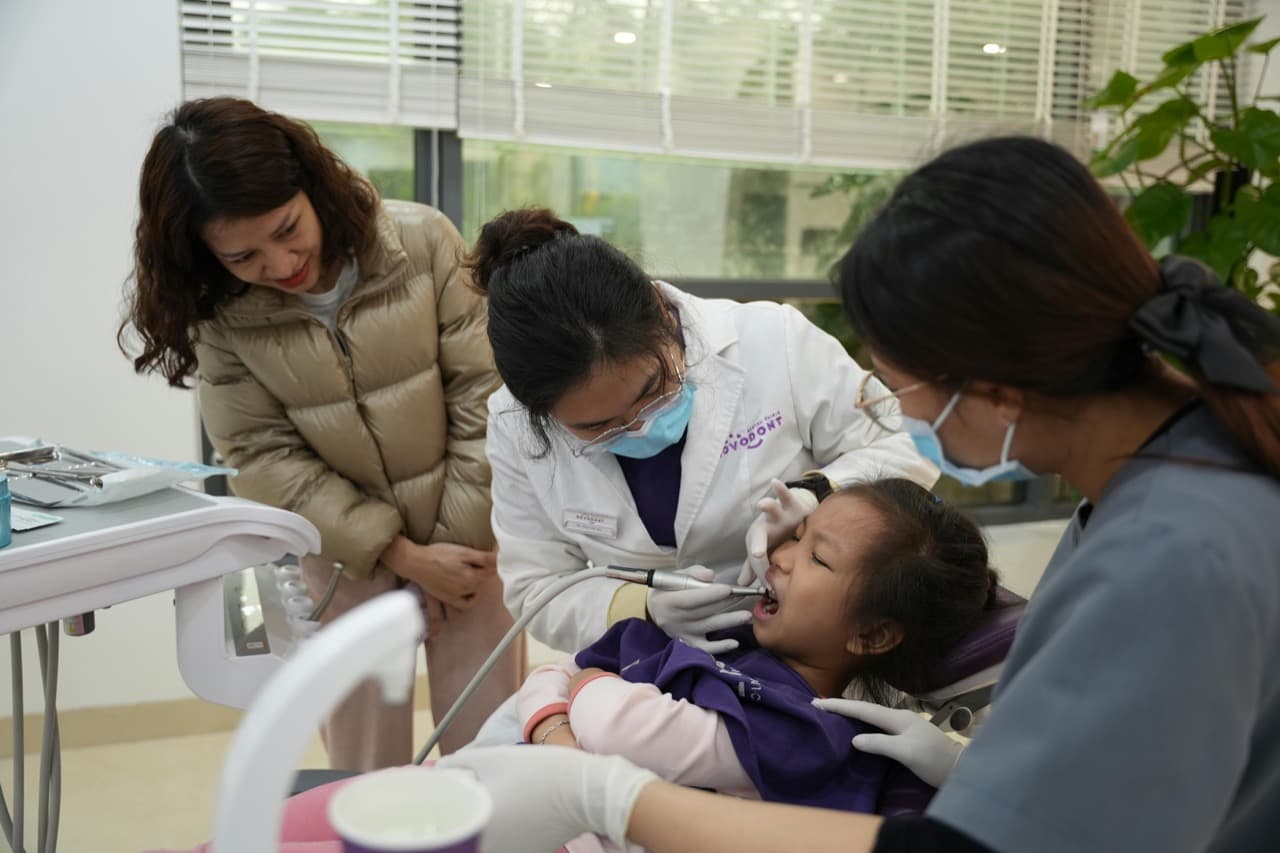
The first dental visit is designed to be quick, gentle, and low-pressure. Here's what you can expect:
The Exam
Your baby will sit on your lap while the dentist examines their mouth. The dentist will look at:
- Teeth that have come in (checking for decay or defects)
- Gum health and any signs of inflammation
- Jaw and bite development
- Oral tissues (tongue, cheeks, palate)
- Any habits that could affect development (thumb-sucking, pacifier use)
The entire exam usually takes just a few minutes. There are no scary instruments or procedures at this age.
Cleaning
If your baby has teeth, the dentist or hygienist may do a gentle cleaning with a soft brush. For babies with no teeth yet, they may simply wipe the gums with gauze. This is as much about getting your baby used to having someone look in their mouth as it is about cleaning.
Parent Education
A big part of the first visit is education for you. Your dentist will cover:
- How to clean your baby's teeth and gums at home
- When and how to use fluoride toothpaste
- Dietary habits that affect dental health (bottle use, sugary foods)
- Pacifier and thumb-sucking guidance
- What to expect as more teeth come in
- When to schedule the next visit (typically in 6 months)
How to Care for Your Baby's Teeth at Home
Good oral hygiene starts well before your baby can hold a toothbrush. Here's a timeline of what to do at each stage:
Before Any Teeth Appear (0 to 6 Months)
- Wipe your baby's gums with a clean, damp washcloth or gauze pad after feedings
- Do this at least twice a day (morning and night) to remove bacteria
- Avoid putting your baby to bed with a bottle of anything other than water
First Teeth Appear (6 to 12 Months)
- Start brushing with a soft-bristled infant toothbrush or silicone finger brush
- Use a tiny smear of fluoride toothpaste (grain-of-rice size)
- Brush twice a day, especially before bed
- Schedule the first dental visit
Toddler Stage (1 to 3 Years)
- Continue brushing twice daily with fluoride toothpaste
- Start flossing once two teeth touch each other (usually around age 2 to 3)
- Begin transitioning from a bottle to a cup by age 1 to reduce cavity risk
- Visit the dentist every 6 months
Choosing the Right Toothbrush
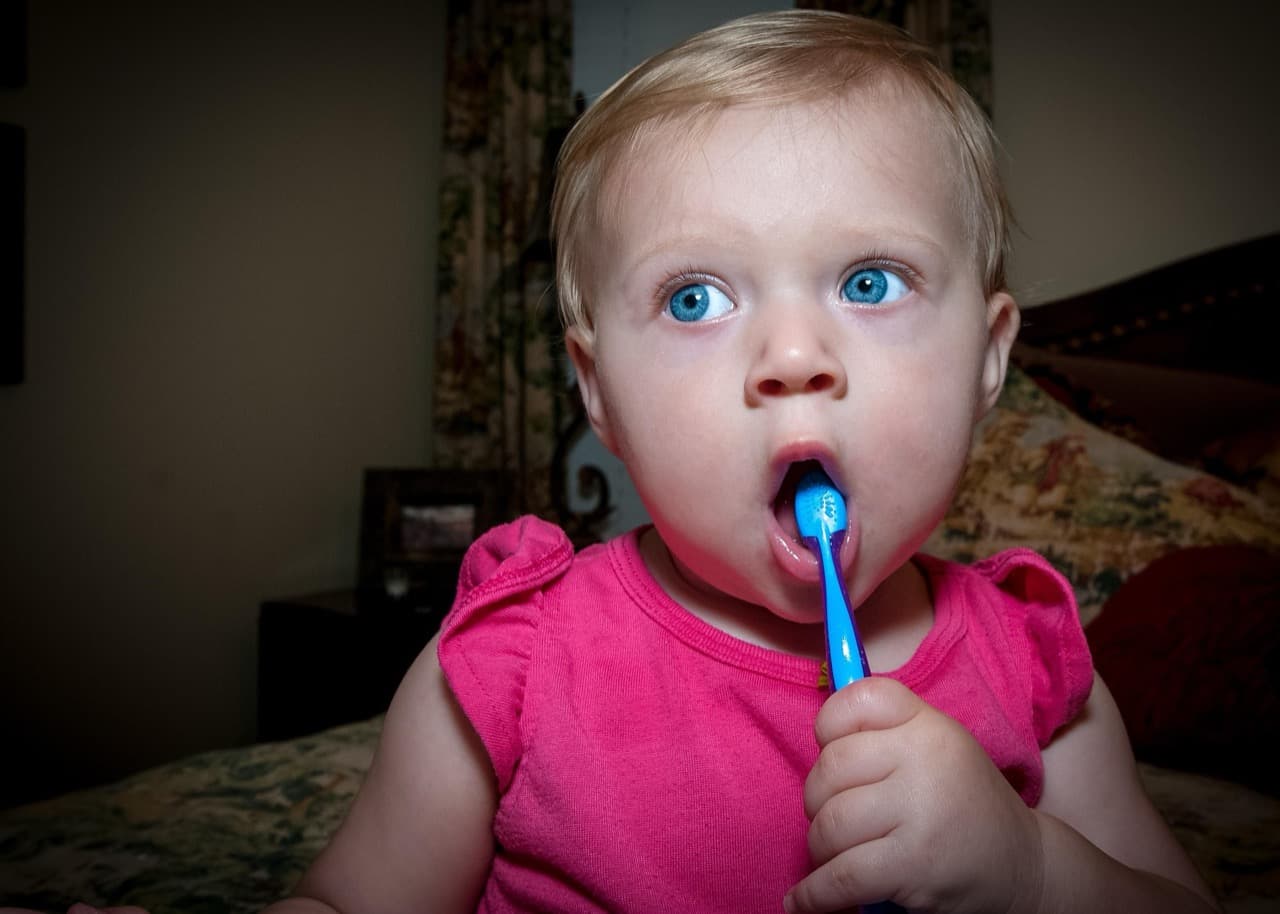
For babies and toddlers, look for a toothbrush with a small head, soft bristles, and a chunky handle that's easy to grip. Silicone finger brushes work well for babies under 1 year old. As your child grows, you can transition to a child-sized manual or electric toothbrush. Replace the brush every 3 months or when the bristles start to fray.
How to Prepare for Your Baby's First Dental Visit
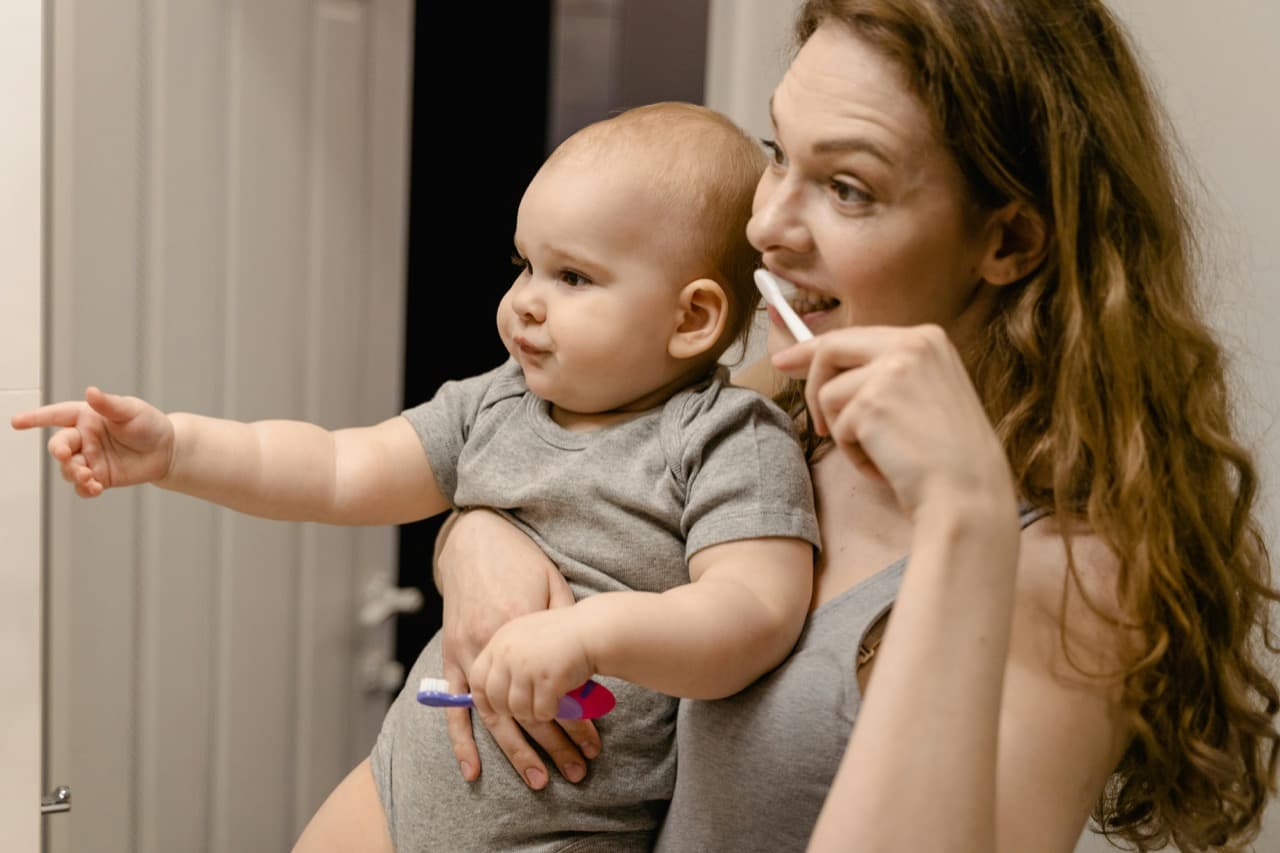
A little preparation can make the first visit much smoother for everyone involved.
Keep the Routine Normal
Schedule the appointment at a time when your baby is usually well-rested and fed. A tired, hungry baby is going to have a harder time with any new experience. Morning appointments often work best for infants.
Bring Comfort Items
A favorite toy, blanket, or pacifier can help your baby feel safe in an unfamiliar environment. Having something familiar to hold onto makes a big difference.
What to Bring
- Your baby's insurance card (if applicable)
- Medical history and any medications your baby takes
- A list of questions or concerns about your baby's teeth or habits
- A bottle or sippy cup of water
Stay Calm Yourself
Babies pick up on their parents' anxiety. If you're relaxed and upbeat about the visit, your baby is more likely to be calm too. The first visit is designed to be positive, so there's no need to worry about procedures or discomfort.
Common Questions Parents Ask
Do Baby Teeth Really Matter If They Fall Out Anyway?
Yes, baby teeth matter a lot. They hold space for permanent teeth and guide them into the correct position. If a baby tooth is lost too early due to decay, the surrounding teeth can shift, leading to crowding or alignment problems when adult teeth come in. Baby teeth also play a critical role in speech development and chewing.
Is Fluoride Safe for Babies?
Yes, in appropriate amounts. The American Dental Association recommends using a rice-grain-sized smear of fluoride toothpaste starting with the first tooth. Fluoride strengthens enamel and helps prevent cavities. Your dentist can also advise on whether fluoride supplements are appropriate based on your local water supply.
What If My Baby Cries During the Visit?
Crying during a first dental visit is completely normal. Dentists who work with young children are used to it and know how to keep the exam moving efficiently. The visit is short, and most babies calm down quickly. The goal is not a perfect appointment but rather establishing a positive pattern of regular dental care.
When Should I Stop Using a Pacifier?
Most dentists recommend weaning off the pacifier by age 2 to 3. Prolonged pacifier use beyond this age can affect how the teeth and jaw develop, potentially leading to an open bite or other alignment issues. Your dentist can monitor for any effects and help you create a weaning plan.
After the First Visit: Building Good Habits
The first dental visit is just the beginning. To keep your child's teeth healthy as they grow:
- Visit the dentist every 6 months. Regular checkups catch problems early and reinforce good habits.
- Brush twice daily. Help your child brush until they have the coordination to do it well on their own (usually around age 6 to 7).
- Limit sugary snacks and drinks. Juice, cookies, and sticky snacks are the biggest cavity culprits for toddlers.
- Make dental care a normal part of life. The earlier your child gets used to brushing and dental visits, the less likely they are to develop dental anxiety later.
Frequently Asked Questions
When should I take my baby to the dentist for the first time?
The American Academy of Pediatric Dentistry recommends scheduling your baby's first dental visit by age 1 or within 6 months of the first tooth appearing, whichever comes first. Most babies get their first tooth around 6 months old, so the first dental visit usually happens between 6 and 12 months of age.
Does my baby need to go to the dentist if they don't have teeth yet?
Yes. Even before teeth appear, a dentist can examine your baby's gums, jaw development, and oral tissues for any concerns. The visit also gives you guidance on cleaning your baby's gums, fluoride use, pacifier habits, and what to expect as teeth start coming in. Early visits establish a dental home and help catch potential issues before they become problems.
How often do babies need to go to the dentist?
After the first visit, babies and toddlers should see the dentist every 6 months for routine checkups and cleanings. Your dentist may recommend more frequent visits if there are any concerns about tooth development, early decay, or other oral health issues.
What toothpaste should I use for my baby?
For babies under 2 years old, use a tiny smear of fluoride toothpaste (about the size of a grain of rice) on a soft-bristled infant toothbrush. Once your child turns 2 to 3 years old, you can increase to a pea-sized amount. The American Dental Association recommends fluoride toothpaste from the time the first tooth appears to help prevent cavities.
What toothbrush is best for a 6 month old baby?
For a 6 month old, choose a toothbrush with a small head, soft bristles, and a large easy-to-grip handle designed for infants. Silicone finger brushes that slip over your finger are another popular option for babies just starting to get teeth. Look for brushes labeled for ages 0 to 2 years.
What does a baby's first dental visit involve?
The first dental visit is typically short and gentle. The dentist will examine your baby's teeth, gums, jaw, and bite while your baby sits in your lap. They will check for early signs of decay, assess how teeth are coming in, and look at the gums and oral tissues. The visit also includes guidance on brushing, diet, fluoride, pacifier use, and teething.
Does flossing remove plaque from baby teeth?
Yes, flossing removes plaque and food particles from between teeth where a toothbrush cannot reach. You should start flossing your child's teeth once two teeth touch each other, which usually happens between ages 2 and 3. Use a gentle touch with soft floss picks designed for children.
When do babies start teething?
Most babies start teething around 6 months old, though it can begin as early as 3 months or as late as 12 months. The lower front teeth (central incisors) usually come in first, followed by the upper front teeth. By age 3, most children have all 20 primary (baby) teeth.
How do I clean my baby's gums before teeth come in?
Before your baby's first tooth appears, wipe the gums with a clean, damp washcloth or gauze pad after feedings. This removes bacteria and gets your baby used to having their mouth cleaned. You can do this after morning and evening feedings as part of a daily routine.
Can babies get cavities?
Yes, babies can get cavities as soon as their first teeth appear. Baby bottle tooth decay is one of the most common forms of early childhood cavities, caused by prolonged exposure to sugary liquids like milk, formula, or juice, especially when a baby falls asleep with a bottle. Cleaning teeth after feedings and avoiding putting babies to bed with a bottle can help prevent this.
Disclaimer
This article is for informational purposes only and does not constitute dental or medical advice. It is not a substitute for professional dental care, diagnosis, or treatment. Always consult your dentist or other qualified health care provider with any questions you may have about a dental condition or treatment. Reading this content does not establish a patient-provider relationship with MySmile Dental Care.
Ready to Schedule Your Child's First Dental Visit?
Dr. Bhatia and our team at MySmile Dental Care love working with little ones. We make first visits gentle, fun, and stress-free for both kids and parents.