
 Emily Carter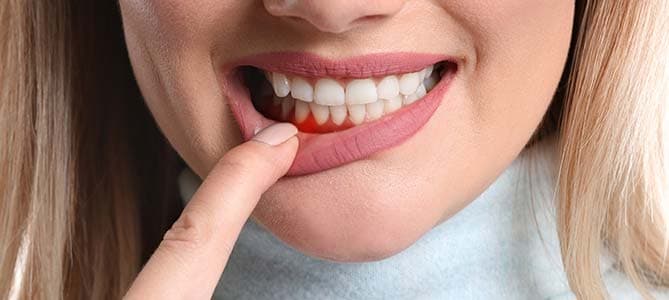
At a Glance
- Gingivitis (early gum disease) can be fully reversed at home with consistent brushing, flossing, and antimicrobial rinses.
- Periodontitis (advanced gum disease) cannot be cured without professional treatment because it involves bone loss and deep bacterial pockets.
- The most effective home remedies are saltwater rinses, proper brushing and flossing technique, and antiseptic mouthwash.
- You cannot remove hardened tartar or reverse bone loss at home, no matter what products you use.
- See a dentist if your symptoms have not improved after 2 weeks of dedicated home care.
If you have swollen, bleeding, or tender gums, you have probably searched for ways to treat gum disease at home. Maybe you are trying to avoid an expensive dental visit, or maybe you just want to know if there is anything you can do right now before your next appointment.
Here is the honest answer: early gum disease (gingivitis) can be fully reversed at home with consistent oral hygiene and the right remedies. Advanced gum disease (periodontitis) cannot be cured without professional treatment, because it involves bone loss and bacteria trapped deep below the gumline where no toothbrush or rinse can reach.
This guide covers what actually works at home (backed by research), what does not, and how to tell when you need a dentist.
Gingivitis vs. Periodontitis: Why It Matters
Before you try to treat gum disease at home, you need to understand which type you are dealing with. The treatment approach is completely different depending on the stage.
Gingivitis (Early Stage)
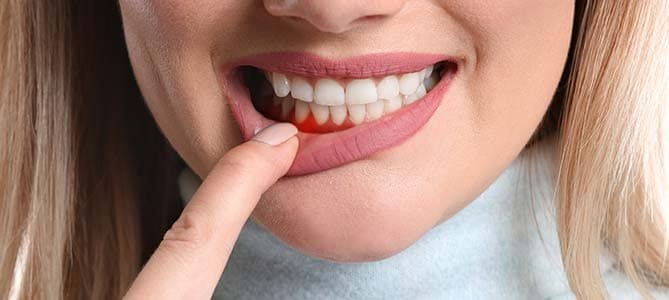
Gingivitis is inflammation of the gums caused by plaque buildup along the gumline. Your gums may be red, swollen, and bleed when you brush or floss. The good news is that gingivitis affects only the soft tissue and has not yet caused bone loss. This means it is completely reversible with improved oral hygiene.
Typical signs of gingivitis include:
- Gums that bleed when brushing or flossing
- Red or swollen gums (healthy gums are pink and firm)
- Mild tenderness along the gumline
- Bad breath that improves with brushing
Periodontitis (Advanced Stage)
When gingivitis goes untreated, it can progress to periodontitis. At this stage, bacteria have migrated below the gumline and formed deep pockets between the teeth and gums. The infection destroys the bone and connective tissue that hold your teeth in place. This damage is irreversible.
Signs that gum disease has progressed to periodontitis:
- Gums pulling away from the teeth (receding gumline)
- Deep pockets between teeth and gums (4mm or deeper)
- Loose or shifting teeth
- Persistent bad breath that does not improve with brushing
- Pus around the teeth or gums
- Pain when chewing
- Changes in your bite or how your teeth fit together
If you have any of these symptoms, home remedies alone will not be enough. You need a professional evaluation to determine the extent of the damage and get appropriate treatment, such as scaling and root planing (deep cleaning) or Perio Restore therapy.
How Common Is Gum Disease?
If you have gum disease, you are far from alone. According to data from the CDC and the National Institute of Dental and Craniofacial Research:
- 47.2% of American adults (about 64.7 million people) have some form of gum disease
- 70.1% of adults 65 and older are affected
- Prevalence is higher among smokers (62.4%), people with diabetes (59.9%), and those who have not had a dental visit in the past year (54.8%)
Gum disease is one of the most common health conditions in the country, yet many people do not realize they have it because early stages are often painless.
Home Remedies That Actually Work (Backed by Research)
The foundation of treating gingivitis at home is consistent, thorough oral hygiene. No single remedy replaces proper brushing and flossing, but several natural approaches have scientific support as helpful additions to your routine.
1. Proper Brushing and Flossing (The Non-Negotiable Foundation)
This is not glamorous advice, but it is the most effective thing you can do. Brushing alone cleans only about 60% of your tooth surfaces. The other 40% (the areas between teeth) is where gum disease bacteria thrive.
- Brush twice daily for two full minutes using a soft-bristle toothbrush. An electric toothbrush is more effective at removing plaque than manual brushing.
- Angle your bristles at 45 degrees toward the gumline. This is where plaque accumulates and causes inflammation.
- Floss once daily. If traditional floss is difficult, use floss picks, interdental brushes, or a water flosser. The best tool is the one you will actually use consistently.
- Replace your toothbrush every 3 months or sooner if the bristles are frayed. Worn bristles clean less effectively.
With consistent brushing and flossing, gingivitis symptoms can start improving within 10 to 14 days and fully resolve within 2 to 4 weeks. Learn more about why plaque builds up even with regular brushing.
2. Saltwater Rinse
Saltwater rinses are one of the most well-supported natural remedies for gum disease. Research published in PLOS One found that saline solutions significantly promote gum tissue healing by stimulating cell migration and wound repair. A separate randomized clinical study showed that saltwater rinses have anti-inflammatory properties comparable to chlorhexidine, the prescription-strength antimicrobial mouthwash dentists recommend after deep cleanings.
How to use it: Dissolve 1/2 teaspoon of salt in 8 ounces of warm water. Swish gently for 30 seconds, then spit. Repeat 2 to 3 times daily, especially after meals.
3. Antimicrobial Mouthwash
Over-the-counter antimicrobial mouthwashes containing cetylpyridinium chloride (CPC) or essential oils (like those in Listerine) can reduce the bacteria that cause gum disease. For stronger results, ask your dentist about a prescription chlorhexidine rinse.
If you prefer a natural option, a diluted hydrogen peroxide rinse (1 part 3% hydrogen peroxide to 1 part water) has been shown in systematic reviews to reduce signs of gum inflammation compared to placebo, though it performs lower than chlorhexidine.
4. Tea Tree Oil
A pilot randomized, double-blind clinical trial found that tea tree oil mouthwash demonstrated results similar to or better than chlorhexidine for reducing plaque index, gingival index, and bleeding on probing. The study noted powerful anti-inflammatory effects, with participants improving from moderate or severe inflammation to mild or absent.
Important: Tea tree oil must be diluted before use. Add 2 to 3 drops to a cup of warm water and use as a mouth rinse. Never swallow tea tree oil, as it is toxic if ingested. Do not apply undiluted tea tree oil directly to your gums.
5. Oil Pulling
Oil pulling (swishing oil in your mouth for 15 to 20 minutes) is an ancient Ayurvedic practice that has gained popularity as a natural gum disease remedy. The research is mixed: a meta-analysis of 9 randomized controlled trials found that oil pulling significantly reduced salivary bacterial counts, but did not significantly improve plaque or gum inflammation scores.
If you want to try it: Use coconut oil (which performed best in studies). Swish 1 tablespoon in your mouth for 15 to 20 minutes first thing in the morning, before eating or drinking. Spit into a trash can (not the sink, as oil can clog pipes), then brush your teeth normally.
Oil pulling may be a helpful addition to your routine, but it should not replace brushing, flossing, or other treatments.
6. Aloe Vera
Research has shown that aloe vera mouthwash decreases plaque, gingivitis, and harmful oral bacteria with effectiveness comparable to chlorhexidine. Aloe vera has natural anti-inflammatory and antimicrobial properties that can soothe irritated gum tissue.
How to use it: Look for 100% pure aloe vera gel (food grade) or an aloe vera mouthwash. Swish for 30 seconds after brushing. You can also apply pure aloe vera gel directly to inflamed gums and leave it for a few minutes before rinsing.
7. Turmeric Gel
Curcumin, the active compound in turmeric, has well-documented anti-inflammatory properties. Studies have found that topical turmeric gel is nearly as effective as chlorhexidine in reducing plaque and gingival inflammation.
How to use it: Mix 1/4 teaspoon of turmeric powder with a small amount of water to form a paste. Apply it to your gums, leave for 5 to 10 minutes, then rinse thoroughly. Be aware that turmeric can temporarily stain teeth and gums yellow, but this fades with regular brushing.
Lifestyle Changes That Help Fight Gum Disease
Beyond direct oral care, certain lifestyle changes can significantly improve your gum health:
Quit Smoking (or Vaping)
Smoking is one of the strongest risk factors for gum disease. CDC data shows that 62.4% of current smokers have periodontitis, compared to much lower rates in non-smokers. Smoking restricts blood flow to the gums, which slows healing and masks symptoms like bleeding (making you think your gums are healthier than they are). Quitting smoking is one of the single most impactful things you can do for your gum health.
Improve Your Diet
A diet high in sugar feeds the bacteria that cause gum disease. Focus on foods rich in vitamin C (which supports gum tissue health), vitamin D, and omega-3 fatty acids (which have anti-inflammatory properties). Good choices include leafy greens, citrus fruits, fatty fish, nuts, and dairy products.
Manage Stress
Chronic stress weakens your immune system, making it harder for your body to fight the bacteria that cause gum disease. Stress also increases the likelihood of teeth grinding (bruxism), which puts additional pressure on your gums and supporting structures. Regular exercise, adequate sleep, and stress management techniques can all help.
Manage Underlying Health Conditions
Diabetes is a major risk factor for gum disease. Nearly 60% of people with diabetes have periodontitis. If you have diabetes, keeping your blood sugar well-controlled directly improves your gum health. Other conditions that affect gum disease risk include autoimmune disorders and medications that cause dry mouth.
What You Cannot Fix at Home
Being honest about the limits of home care is important. There are several things that no amount of brushing, flossing, or natural remedies can accomplish:
- Remove hardened tartar (calculus). Once plaque hardens into tartar, it bonds to the tooth surface and can only be removed with professional dental instruments. Tartar below the gumline is especially problematic because it continues irritating the gums and harboring bacteria. Learn more in our guide on tartar removal and what you can do at home.
- Clean deep periodontal pockets. If your gum pockets are 4mm or deeper, bacteria have colonized below the reach of any toothbrush, floss, or mouth rinse. These pockets need to be professionally cleaned through scaling and root planing.
- Reverse bone loss. Once periodontitis has destroyed the bone around your teeth, that bone does not grow back on its own. Professional treatment can stop further bone loss, but the damage that has already occurred is permanent.
- Treat active infection. Pus around the teeth, severe swelling, or a dental abscess require professional treatment. Trying to manage an active infection with home remedies risks the infection spreading.
When to See a Dentist
Home care is a great first step, but see a dentist if any of the following apply:
- Your gums are still bleeding after 2 to 4 weeks of consistent home care
- You have persistent bad breath that does not improve with oral hygiene
- Your gums are receding or pulling away from your teeth
- You have loose or shifting teeth
- You notice pus between your teeth and gums
- You experience pain when chewing
- You have not had a professional cleaning in over a year
A dentist can measure your gum pocket depths, take X-rays to check for bone loss, and determine whether you have gingivitis (reversible) or periodontitis (requires professional treatment). This evaluation is the only way to know for certain which stage you are in.
Professional Treatment Options for Gum Disease
If your gum disease has progressed beyond what home care can address, here are the professional treatments your dentist may recommend:
Scaling and Root Planing (Deep Cleaning)
The most common treatment for moderate gum disease. Scaling and root planing removes plaque and tartar from above and below the gumline, then smooths the tooth root surfaces so gums can reattach. The procedure is done with local anesthesia and most patients experience only mild discomfort. A full-mouth deep cleaning typically costs $600 to $1,600 without insurance.
Perio Restore (At-Home Prescription Therapy)
Perio Restore is a prescription at-home treatment that uses custom dental trays to deliver a 1.7% hydrogen peroxide gel directly into your gum pockets. This approach targets the bacteria causing gum disease in a way that brushing and rinsing cannot reach. It is often used alongside deep cleaning or as ongoing maintenance therapy. Read our complete Perio Restore guide to learn how it works.
Antibiotic Treatment
Your dentist may place a topical antibiotic (such as Arestin) directly into periodontal pockets after scaling and root planing. These antibiotics release medication over time to kill bacteria that remain after the cleaning.
Periodontal Surgery
For severe periodontitis that does not respond to non-surgical treatment, surgical options include flap surgery (to reduce pocket depth), bone grafts (to regenerate lost bone), and gum grafts (to cover exposed roots from recession). Surgery is typically a last resort after less invasive options have been tried.
How to Keep Gum Disease From Coming Back
Whether you have reversed gingivitis at home or received professional treatment for periodontitis, prevention is the key to long-term gum health:
- Brush twice daily, floss once daily. This is the single most important habit for preventing gum disease.
- Get regular dental cleanings. Professional cleanings every 6 months (or every 3 to 4 months if you have a history of gum disease) remove tartar that home care cannot.
- Do not smoke. Smoking dramatically increases your risk of gum disease and makes treatment less effective.
- Eat a balanced diet low in sugar and high in vitamins C and D.
- Watch for warning signs. Bleeding gums, persistent bad breath, and gum tenderness are signals to step up your home care and schedule a dental visit.
- Manage health conditions like diabetes that increase gum disease risk.
Gum Disease Treatment at MySmile Dental Care
At MySmile Dental Care in Anaheim Hills, Dr. Mehru Bhatia, DDS provides thorough periodontal evaluations and personalized treatment plans for every stage of gum disease. Our approach combines professional care with at-home solutions like Perio Restore to give you the best possible results.
We understand that cost is a concern for many patients. We accept most dental insurance plans and offer flexible financing options including Cherry, CareCredit, Sunbit, and LendingClub to make treatment affordable.
If you are dealing with bleeding gums, gum recession, or other signs of gum disease, schedule a periodontal evaluation online or call us at (714) 998-4151.
Frequently Asked Questions
Can you actually cure gum disease at home?
It depends on the stage. Gingivitis (early gum disease) can be fully reversed at home with consistent brushing, flossing, and antimicrobial rinses. Periodontitis (advanced gum disease) cannot be cured at home because it involves bone loss and bacteria trapped deep below the gumline where brushing and flossing cannot reach. If you are unsure which stage you have, a dental evaluation is the only way to know for certain.
How long does it take to reverse gingivitis at home?
With consistent daily brushing (twice a day for two minutes), daily flossing, and an antimicrobial rinse, most people see noticeable improvement in gum inflammation within 10 to 14 days. Full reversal of gingivitis symptoms typically takes 2 to 4 weeks of consistent care. If your gums are still bleeding or swollen after a month of dedicated home care, you likely need professional treatment.
Does oil pulling really help gum disease?
Research on oil pulling is mixed. A meta-analysis of randomized controlled trials found that oil pulling significantly reduced salivary bacterial colony counts, but did not significantly improve plaque or gingival index scores. Coconut oil appears to be more effective than sesame or sunflower oil. Oil pulling may be a helpful addition to your routine, but it should not replace brushing, flossing, or professional care.
Is salt water good for gum disease?
Yes. Saltwater rinses have solid scientific support. Research published in PLOS One found that salt solutions promote gum tissue healing by stimulating cell migration. A randomized clinical study also showed that saltwater rinses have anti-inflammatory properties comparable to chlorhexidine (the gold standard prescription mouthwash). Mix half a teaspoon of salt in 8 ounces of warm water and rinse for 30 seconds, 2 to 3 times daily.
Can gum disease go away on its own?
Gum disease does not go away on its own. Without intervention, it progresses from gingivitis to periodontitis, which causes irreversible bone loss and can lead to tooth loss. However, gingivitis can be reversed with improved oral hygiene habits. The key is catching it early and being consistent with your home care routine.
What is the fastest way to get rid of gum disease?
For gingivitis, the fastest approach combines improved brushing and flossing with an antimicrobial mouthwash (chlorhexidine or a natural alternative like saltwater rinses). You should see improvement within 2 weeks. For periodontitis, the fastest path is professional scaling and root planing (deep cleaning) combined with at-home maintenance. There is no shortcut for advanced gum disease.
How do I know if I have gingivitis or periodontitis?
Gingivitis causes red, swollen, and bleeding gums, but no bone loss. Periodontitis includes those symptoms plus receding gums, deep pockets between teeth and gums (4mm or deeper), loose teeth, persistent bad breath, and changes in bite alignment. Only a dentist can measure your pocket depths and check for bone loss with X-rays, which is why a professional evaluation is recommended if home care is not improving your symptoms.
Should I still see a dentist if my home remedies are working?
Yes. Even if your gum inflammation improves with home care, a professional cleaning removes hardened tartar (calculus) that brushing and flossing cannot. Tartar buildup below the gumline is invisible and can continue causing damage even when your gums look healthier on the surface. A dental evaluation also confirms whether you have gingivitis or early periodontitis, which changes your treatment plan.
Disclaimer
This article is for informational purposes only and does not constitute dental or medical advice. It is not a substitute for professional dental care, diagnosis, or treatment. Always consult your dentist or other qualified health care provider with any questions you may have about a dental condition or treatment. Reading this content does not establish a patient-provider relationship with MySmile Dental Care.
Concerned About Your Gum Health?
Home remedies can help with early gum disease, but only a professional evaluation can tell you whether you have gingivitis or periodontitis. Dr. Bhatia and the MySmile Dental Care team offer thorough periodontal evaluations and gentle treatment options, including Perio Restore for at-home gum therapy.