
 Emily Carter
At a Glance
- Flossing reaches the roughly 35 percent of tooth surfaces that your toothbrush cannot, which is why it is essential for preventing cavities between teeth and gum disease.
- The correct technique wraps the floss in a C shape around each tooth and slides it gently up and down the side of the tooth and just under the gumline.
- Use a fresh 18 inch piece of floss daily and a clean section between every set of teeth.
- Floss before brushing so the fluoride in your toothpaste can reach the surfaces you just cleaned.
- Gums that bleed for the first week of a new flossing routine are normal. Persistent bleeding after two weeks means you should see a dentist.
Flossing is probably the most skipped part of any oral hygiene routine. Only about a third of American adults floss daily, and roughly 20 percent never floss at all. The reasons are familiar: it feels awkward, the gums bleed, it takes time, and most people were never taught how to do it correctly.
Done right, flossing only takes two or three minutes and prevents the kinds of problems that lead to fillings, deep cleanings, and root canals later on. Here is exactly how to do it, what kind of floss to use, and the mistakes that are quietly making your routine less effective than it should be.
Why Flossing Actually Matters
Your toothbrush cleans the front, back, and chewing surfaces of your teeth, but the bristles cannot fit into the tight spaces between teeth. Those spaces add up to roughly 35 percent of every tooth surface in your mouth. If you only brush, you are leaving more than a third of your teeth essentially untouched.
That missed surface area is where most cavities between teeth start, and where the bacterial plaque that causes gum disease first takes hold. Plaque that sits between teeth for 24 to 48 hours hardens into tartar, which can no longer be removed by brushing or flossing at all. Tartar only comes off with professional dental scaling.
Daily flossing breaks that cycle. It removes plaque before it has the chance to harden, which means fewer cavities, less gum inflammation, fresher breath, and shorter, easier cleanings at your six month checkups.
Step by Step: How to Floss the Right Way
The correct flossing technique is sometimes called the C shape method. Here is exactly what to do.
Step 1: Cut the right length
Break off about 18 inches (roughly 45 centimeters) of floss. That sounds like a lot, but you need enough to use a clean section between each set of teeth.
Step 2: Wrap it around your fingers
Wind most of the floss around the middle finger of one hand and the rest around the middle finger of the other hand. Leave about one to two inches of working floss stretched between your thumbs and index fingers. As you move from tooth to tooth, you will unwind a fresh section from one finger and wind the used section onto the other.
Step 3: Slide the floss between your teeth
Hold the floss taut and gently guide it between two teeth using a soft back and forth sawing motion. Do not snap the floss straight down. If you force it through, you can slam the floss into your gum tissue and cause cuts or recession over time.
Step 4: Form a C shape around each tooth
Once the floss is between two teeth, curve it into a C shape that hugs the side of one tooth. Slide it gently up and down the side of the tooth, going just slightly below the gumline. Then reverse the C to hug the side of the neighboring tooth and repeat. Every gap has two sides, and both need cleaning.
Step 5: Use a fresh section
Unspool a clean section of floss for the next gap. If you keep using the same section, you are just moving plaque and bacteria from one tooth to another.
Step 6: Do not forget the back teeth
The back of your last molar on each side has no neighbor, but it still collects plaque. Wrap the floss around the back surface and clean it the same way you would any other tooth side.

Types of Floss: Which One Is Right for You?
Walk down the oral care aisle and you will see waxed floss, unwaxed floss, dental tape, glide floss, floss picks, water flossers, and more. Here is what each one is good for.
Waxed Floss
The classic, all purpose option. The wax coating helps it slide between teeth without shredding. Works well for most people with normal spacing between their teeth.
Unwaxed Floss
Thinner than waxed floss and fits into tight spaces, but it shreds more easily. A good choice if your teeth are crowded together and waxed floss feels too thick.
Glide or PTFE Floss
Made from the same family of materials as Teflon. It is incredibly smooth and slides through even the tightest contacts without catching. Excellent for patients whose floss frays or breaks between certain teeth.
Dental Tape
Wider and flatter than regular floss. Provides more surface area for scraping plaque off larger gaps between teeth. Often recommended for patients with wider spacing or some gum recession.
Super Floss
Comes in pre cut strands with three sections: a stiff threader end, a spongy middle, and a regular floss end. Designed for cleaning around braces, bridges, and dental implants where regular floss cannot reach effectively.
Floss Picks
Plastic Y shaped handles with a short piece of floss strung across them. They are convenient and better than not flossing at all, but they have real downsides. You usually cannot get a true C shape around each tooth, and most picks reuse the same small piece of floss for your entire mouth. Use them when traveling or in a pinch, but the gold standard is still string floss.
Water Flossers
Devices like Waterpik use a stream of pressurized water to flush debris from between teeth. They are very effective for patients with braces, bridges, implants, deep gum pockets, or arthritis that makes string floss difficult. The research on water flossers is strong, but they work best as a supplement to traditional flossing rather than a full replacement for most healthy adults.
Should You Floss Before or After Brushing?
For decades, most people brushed first and flossed after as an afterthought (if at all). Current evidence flips that order.
A 2018 study published in the Journal of Periodontology found that flossing before brushing removed significantly more interdental plaque and left a higher concentration of fluoride between the teeth. The reasoning makes sense: flossing dislodges the plaque and food wedged between teeth, and then brushing with fluoride toothpaste washes that debris away and lets the fluoride coat the newly cleaned surfaces.
That said, the order matters far less than the consistency. If flossing at the end of your routine is the only way you remember to do it, keep doing it that way. The worst flossing schedule is the one you abandon.
Common Flossing Mistakes to Avoid
Even patients who floss every day often make small mistakes that reduce how effective the routine actually is. Watch out for these.
- Snapping the floss straight down. This bangs the floss into the gum tissue and over time causes recession and sensitivity. Always use a gentle sawing motion to ease the floss between teeth.
- Skipping the C shape. Running the floss straight up and down only cleans a thin strip in the middle of the gap. The C shape is what scrapes plaque off the side of each tooth and just below the gumline where it matters most.
- Using the same section for every tooth. Move to a fresh inch or two of floss between every gap. Otherwise you are spreading bacteria from one part of your mouth to another.
- Stopping when you see blood. Bleeding gums for the first week or two of a new routine are a sign of existing inflammation, not damage from flossing. If you keep flossing gently every day, the inflammation usually clears within two weeks. If it does not, that is a sign of gingivitis or periodontal disease that needs a dentist.
- Flossing too hard or too often. Once a day, with light pressure, is the right amount. Aggressive flossing or flossing several times a day can erode gum tissue and cause permanent recession.
- Missing the back of the last molar. The very back of your mouth has no neighboring tooth, but the back surface still needs cleaning. Wrap the floss around it and clean it like any other tooth side.
- Quitting because it feels awkward. Flossing feels clumsy for the first few weeks if it is new. Within a month most people can floss their whole mouth in under three minutes without thinking about it.
Flossing With Braces, Bridges, or Implants
Regular floss does not work well with most orthodontic appliances or dental restorations because the wire or fixture blocks you from sliding floss in from the top. Here is what to use instead.
- Braces: Use a floss threader or super floss to pass a strand under the archwire, or invest in a water flosser which makes the whole process much faster. Many orthodontic patients swear by water flossers for daily use.
- Bridges: Super floss or a floss threader lets you clean under the false tooth (pontic), which is critical for preventing gum disease around the supporting teeth.
- Dental implants: Use unwaxed tape or implant specific floss and clean gently around the implant in a shoeshine motion. A water flosser on a low setting also works well. Avoiding plaque buildup around implants is key to preventing peri implantitis, which is the implant equivalent of gum disease.
- Invisalign and clear aligners: Aligners come out for brushing and flossing, so you can use any regular floss in your normal technique. The aligners themselves should be rinsed and brushed separately. See our guide on how Invisalign works for more on caring for clear aligners.
How Do You Know If Your Flossing Is Working?
A few signs to watch for as your routine becomes more consistent.
- Bleeding stops. If your gums bled when you started, they should stop bleeding within two weeks of daily flossing.
- Gums look pink and firm. Healthy gums are pale pink, not red or puffy, and they fit snugly around each tooth.
- No bad smell on the floss. If your floss smells bad after cleaning between certain teeth, that is a sign that plaque and bacteria have been sitting there for a while. With consistent daily flossing, that smell goes away.
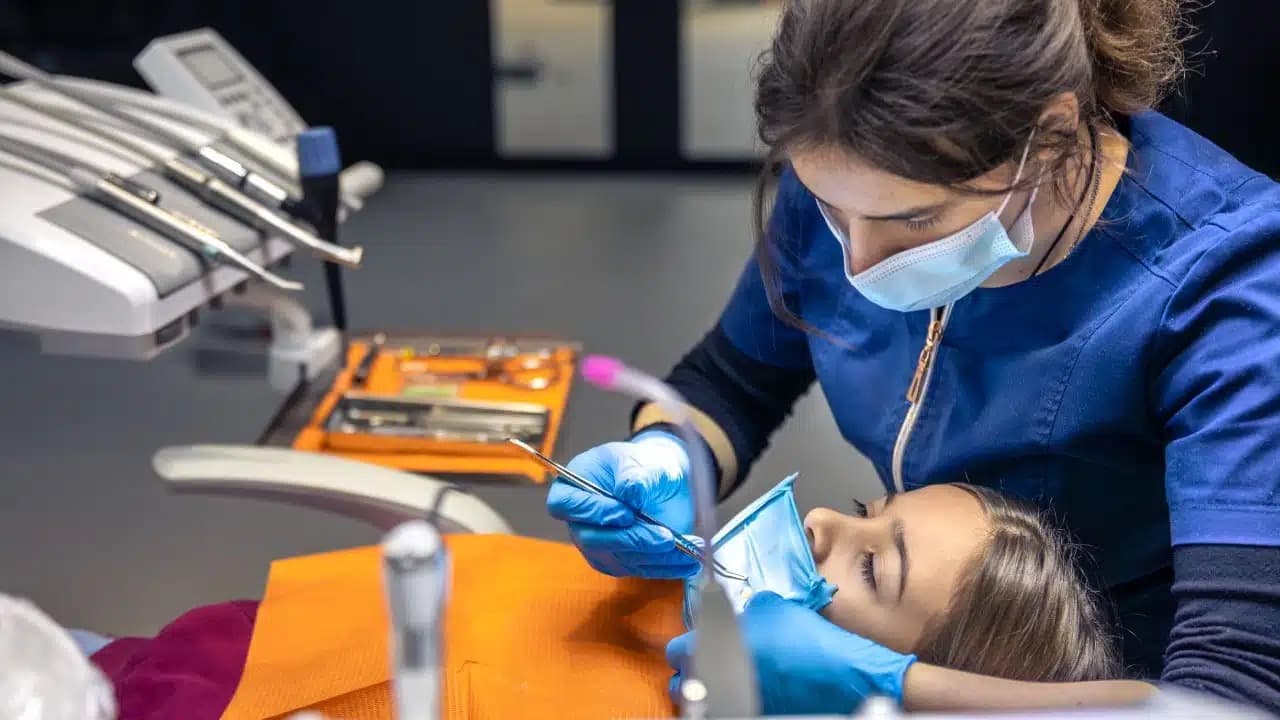
- Your hygienist tells you. The most reliable feedback comes at your six month checkup. Your hygienist can see where plaque is being missed and can show you exactly where to refine your technique.
When to See a Dentist
Even with great daily flossing, you should still see a dentist every six months for a professional cleaning. Tartar only comes off with professional tools, and your dentist can spot the early signs of cavities and gum disease long before you would notice them yourself.
Schedule a visit sooner if you notice any of the following:
- Gums that bleed every time you floss, even after two weeks of consistent daily flossing
- Persistent bad breath that does not improve with flossing and brushing
- Receding gums or teeth that look longer than they used to
- Pain, swelling, or pus around any tooth
- A tooth that feels loose or shifted
These are signs that periodontal disease may have already progressed beyond what flossing alone can manage. At MySmile Dental Care in Anaheim Hills, Dr. Bhatia and our hygiene team can assess the health of your gums, treat any existing inflammation, and coach you on the flossing technique that fits your mouth.
Frequently Asked Questions
Should I floss before or after brushing?
Most dentists recommend flossing before brushing. Flossing first dislodges the plaque and food particles between your teeth, and then brushing with fluoride toothpaste sweeps that debris away and lets the fluoride reach the surfaces that were previously blocked. A 2018 study in the Journal of Periodontology confirmed that flossing first removed significantly more plaque than brushing first. That said, the most important thing is that you floss daily. The order matters less than the consistency.
How often should I floss?
Once a day is enough for most people. The American Dental Association recommends flossing at least once every 24 hours, since plaque takes about that long to harden into tartar. Many patients floss at night so they go to bed with a clean mouth and reduce overnight bacterial growth.
Why do my gums bleed when I floss?
Bleeding gums almost always mean your gums are inflamed from plaque buildup, which is the earliest stage of gum disease (gingivitis). If you have not been flossing regularly and start a new routine, bleeding for the first week or two is normal. If you floss daily and the bleeding does not stop after two weeks, schedule a dental visit. Persistent bleeding is a sign that gingivitis has progressed and needs professional treatment.
Is a water flosser as good as regular floss?
A water flosser is a great supplement but not a complete replacement for string floss for most people. Water flossers are excellent for patients with braces, implants, bridges, or limited dexterity, and they do remove some plaque and food debris. However, string floss physically scrapes the sticky biofilm of plaque off the tooth surface in a way that water pressure alone cannot match. The best approach for many people is to use both.
How long should it take to floss my teeth?
A thorough flossing session takes about two to three minutes. You should use a fresh section of floss between every tooth, hug each tooth in a C shape, and gently slide the floss up and down the side of the tooth and slightly below the gumline. Rushing through it in 30 seconds defeats the purpose.
Can I skip flossing if I use mouthwash?
No. Mouthwash kills bacteria and freshens breath, but it cannot remove the physical plaque biofilm wedged between your teeth. Flossing is a mechanical removal process that no rinse can replicate. Mouthwash is a useful add-on after flossing and brushing, not a substitute for either one.
What kind of floss should I use?
It depends on the gaps between your teeth. Standard waxed floss works for most people. If your teeth are tightly spaced, try a thin glide or PTFE floss that slips through easily. If you have wider gaps or are missing teeth, dental tape or super floss gives you more surface area for cleaning. Floss picks are convenient but generally less effective than traditional floss because you cannot get the same wrap-around motion.
Is it possible to floss too much?
Yes. Flossing more than once a day, or using too much force, can irritate your gums and cause recession over time. Stick to once a day and use a gentle sawing motion to get the floss between your teeth. Never snap the floss down into your gums, which can cut the tissue and contribute to recession.
Disclaimer
This article is for informational purposes only and does not constitute dental or medical advice. It is not a substitute for professional dental care, diagnosis, or treatment. Always consult your dentist or other qualified health care provider with any questions you may have about a dental condition or treatment. Reading this content does not establish a patient-provider relationship with MySmile Dental Care.
Is Your Flossing Routine Actually Working?
Even great home care can miss spots that lead to cavities and gum disease. A professional cleaning and exam at MySmile Dental Care catches the buildup you cannot reach and shows you exactly where your technique can improve. Dr. Bhatia and our hygienists make the whole visit comfortable and educational.