
 Emily Carter
At a Glance
- Periodontal disease is a bacterial infection of the gums that progresses through stages from gingivitis to advanced periodontitis with bone loss.
- Early gingivitis is fully reversible with professional cleaning and improved home care, but bone loss from periodontitis cannot be undone.
- Warning signs include bleeding gums, persistent bad breath, receding gums, and loose teeth, though many people have no symptoms at all.
- Treatment ranges from deep cleaning (scaling and root planing) to antibiotic therapy and surgical procedures depending on severity.
- Regular dental exams are the best way to catch gum disease early, since it often progresses without pain.
Nearly half of American adults over the age of 30 have some form of periodontal disease, according to the Centers for Disease Control and Prevention. That number climbs to over 70% for adults 65 and older. Yet many people with gum disease have no idea they have it, because the early stages are often painless.
Periodontal disease is a progressive bacterial infection that destroys the tissues and bone supporting your teeth. Left untreated, it is the leading cause of tooth loss in adults. The good news is that early-stage gum disease is completely reversible, and even advanced cases can be managed effectively with the right treatment.
Here is what you need to know about how periodontal disease develops, the warning signs at each stage, and the treatment options available.
What Is Periodontal Disease?
Periodontal disease (also called gum disease or periodontitis) is a chronic inflammatory condition caused by bacteria in dental plaque. When plaque is not removed through regular brushing and flossing, it hardens into tartar (calculus) along and below the gumline. The bacteria in tartar trigger an immune response that causes inflammation, which gradually destroys the gum tissue, ligaments, and bone that hold your teeth in place.
The term "periodontal" means "around the tooth." While "gingivitis" refers specifically to inflammation of the gums (the earliest stage), "periodontitis" means the infection has spread deeper into the supporting structures. People often use "gum disease" as a catch-all term for both stages.
Stages of Periodontal Disease
Periodontal disease progresses through distinct stages. Understanding where you are in this progression is critical because it determines your treatment options and outlook.
Stage 1: Gingivitis
Gingivitis is the mildest form of gum disease and the only stage that is fully reversible. At this point, bacteria in plaque have irritated the gum tissue, causing inflammation, but no permanent damage has occurred to the bone or connective tissue.
Signs of gingivitis include:
- Red, swollen, or puffy gums (healthy gums are firm and pink)
- Bleeding when you brush, floss, or eat hard foods
- Mild tenderness along the gumline
- Bad breath that does not go away with brushing
Many people dismiss bleeding gums as normal, but healthy gums should not bleed. If you see blood when you brush or floss, that is your body telling you that inflammation is present. The good news is that gingivitis can often be reversed with improved brushing and flossing habits, a professional cleaning, and consistent home care.
Stage 2: Early Periodontitis
When gingivitis is left untreated, it can progress to early periodontitis. At this stage, the infection has moved below the gumline and started to damage the bone and connective fibers that anchor your teeth. The gums begin to pull away from the teeth, forming "pockets" that trap more bacteria and make the infection harder to reach with a toothbrush.
Signs of early periodontitis include:
- Gum pockets measuring 4 to 5 millimeters (healthy is 1 to 3 mm)
- Gums that appear to be receding or pulling back from the teeth
- Increased bleeding, especially during dental cleanings
- Persistent bad breath or a bad taste in your mouth
- Slight bone loss visible on dental X-rays
This is the critical turning point. The bone loss that begins at this stage cannot be regenerated naturally. Treatment at this stage focuses on stopping the progression and preventing further damage.
Stage 3: Moderate Periodontitis
Moderate periodontitis involves more significant bone loss and deeper gum pockets (5 to 7 millimeters). The bacteria have now caused enough destruction that teeth may start to feel slightly loose or shift position. You might notice changes in your bite or new gaps appearing between teeth.
Additional signs at this stage include:
- Teeth that feel loose or have shifted
- Pus between the teeth and gums
- Pain when chewing
- Noticeable gum recession exposing tooth roots
- Increased sensitivity to hot and cold (from exposed roots)
Stage 4: Advanced Periodontitis
Advanced periodontitis is the most severe stage. Significant bone loss has occurred, gum pockets are typically deeper than 7 millimeters, and teeth may become very loose or fall out on their own. At this point, the damage is extensive enough that saving all affected teeth may not be possible.
Signs of advanced periodontitis include:
- Severe bone loss (50% or more around affected teeth)
- Very loose teeth or teeth that have already fallen out
- Significant gum recession and root exposure
- Chronic pain, swelling, and abscess formation
- Difficulty eating and speaking
Even at this stage, treatment can stabilize the disease and preserve remaining teeth. Tooth replacement options like dental implants or All-on-4 implants can restore function and appearance for teeth that cannot be saved.
Causes and Risk Factors
Bacterial plaque is the primary cause of periodontal disease, but several factors increase your risk of developing it or make it progress faster.
Primary Cause
Plaque buildup is where all periodontal disease starts. When plaque is not removed regularly, it mineralizes into tartar within 24 to 72 hours. Tartar cannot be removed by brushing alone. It requires professional cleaning. The bacteria in tartar produce toxins that trigger chronic inflammation, which is what actually destroys the gum tissue and bone.
Major Risk Factors
- Smoking and tobacco use. Smoking is the single biggest modifiable risk factor for periodontal disease. Smokers are two to three times more likely to develop periodontitis, and smoking reduces the effectiveness of treatment. The chemicals in tobacco restrict blood flow to the gums, impair healing, and suppress immune function. Tobacco also stains teeth and contributes to tartar buildup.
- Diabetes. People with diabetes (especially uncontrolled diabetes) are significantly more likely to develop periodontal disease, and the relationship goes both ways. Gum disease makes blood sugar harder to control, and high blood sugar makes gum disease worse. Managing one condition helps manage the other.
- Genetics. Research suggests that up to 30% of the population may be genetically predisposed to gum disease, even with good oral hygiene. If your parents or siblings have had periodontal problems, you may need more frequent monitoring.
- Medications. Certain medications reduce saliva flow (causing dry mouth) or cause gum overgrowth, both of which increase the risk of gum disease. Common culprits include some blood pressure medications, antidepressants, anticonvulsants, and immunosuppressants.
- Hormonal changes. Pregnancy, menopause, and puberty all cause hormonal fluctuations that make gums more sensitive to plaque and more prone to inflammation. Pregnancy gingivitis affects up to 75% of pregnant women.
- Stress. Chronic stress weakens your immune system and makes it harder for your body to fight off infection, including the bacterial infection in your gums.
- Poor nutrition. A diet lacking in vitamin C and other nutrients impairs the body's ability to fight infection and repair damaged tissue.
How Gum Disease Is Diagnosed
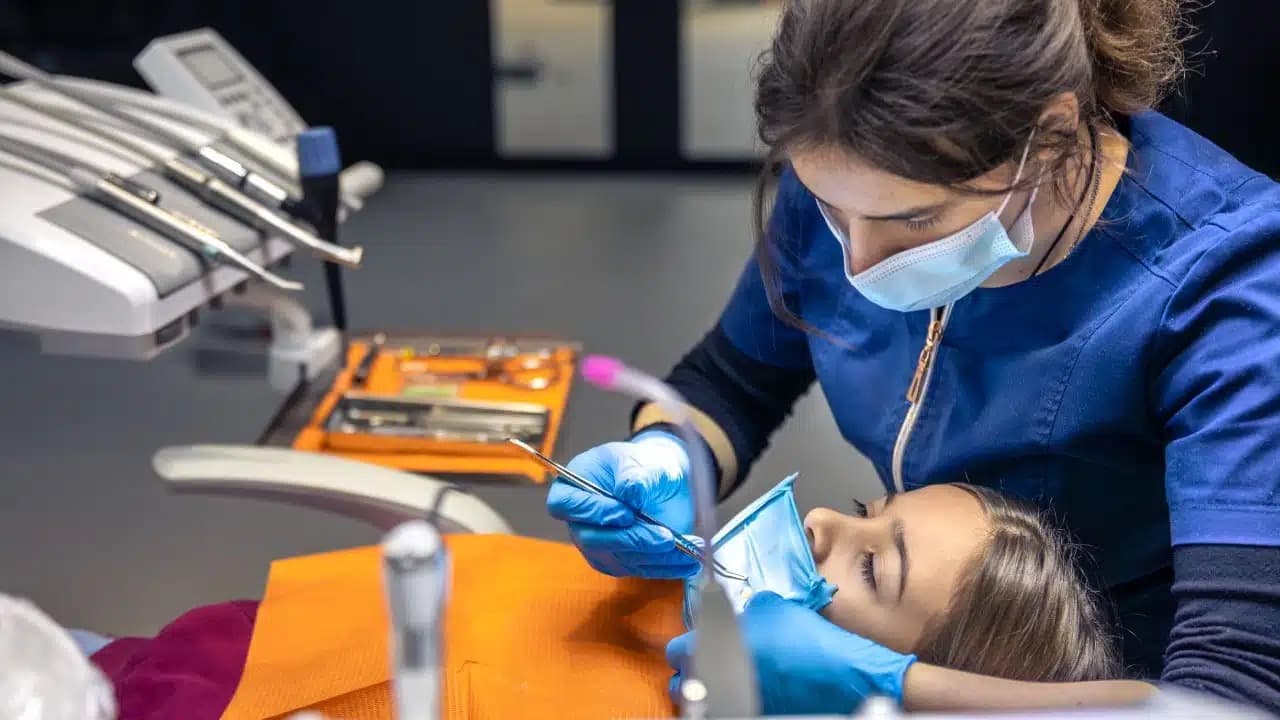
Your dentist checks for periodontal disease during routine exams using several methods:
- Periodontal probing. A small measuring instrument is gently inserted between each tooth and the gum to measure pocket depth. Healthy pockets measure 1 to 3 millimeters. Pockets of 4 mm or deeper indicate periodontal disease.
- X-rays. Dental X-rays reveal bone loss that is not visible during a visual exam. Your dentist can see exactly how much bone has been lost around each tooth.
- Visual examination. Your dentist checks for gum redness, swelling, bleeding, recession, and tartar deposits. They also check for tooth mobility and any changes in your bite.
- Medical history review. Because conditions like diabetes and medications affect gum health, your dentist reviews your medical history as part of the periodontal assessment.
This is one of the most important reasons to keep up with regular dental checkups. Periodontal disease often has no symptoms in the early stages, and probing is the only way to detect the pockets that signal the disease has begun.
Treatment Options
Treatment for periodontal disease depends on how far the disease has progressed. The goal at every stage is to control the infection, reduce pocket depths, and prevent further bone loss.
Non-Surgical Treatments
Professional Cleaning (for Gingivitis)
If you only have gingivitis, a professional dental cleaning may be all you need. Your hygienist removes plaque and tartar from above and at the gumline. Combined with improved home care, this is usually enough to reverse the inflammation completely.
Scaling and Root Planing (Deep Cleaning)
For early to moderate periodontitis, the standard first-line treatment is scaling and root planing (SRP), commonly called a deep cleaning. This procedure involves:
- Scaling: Removing plaque and tartar from above and below the gumline, including from the bottom of each pocket
- Root planing: Smoothing rough spots on the tooth roots where bacteria collect, making it harder for bacteria to reattach and easier for gums to heal against the tooth surface
Deep cleaning is typically done in two to four visits, one quadrant of the mouth at a time, under local anesthesia. Most patients experience only mild discomfort. Deep cleaning costs typically range from $150 to $400 per quadrant without insurance.
Antibiotic Therapy
After scaling and root planing, your dentist may recommend antibiotic treatment to kill bacteria that remain in deep pockets. Options include:
- Arestin (minocycline microspheres): A locally applied antibiotic placed directly into gum pockets after deep cleaning. The microspheres release medication over time to kill bacteria that scaling could not reach.
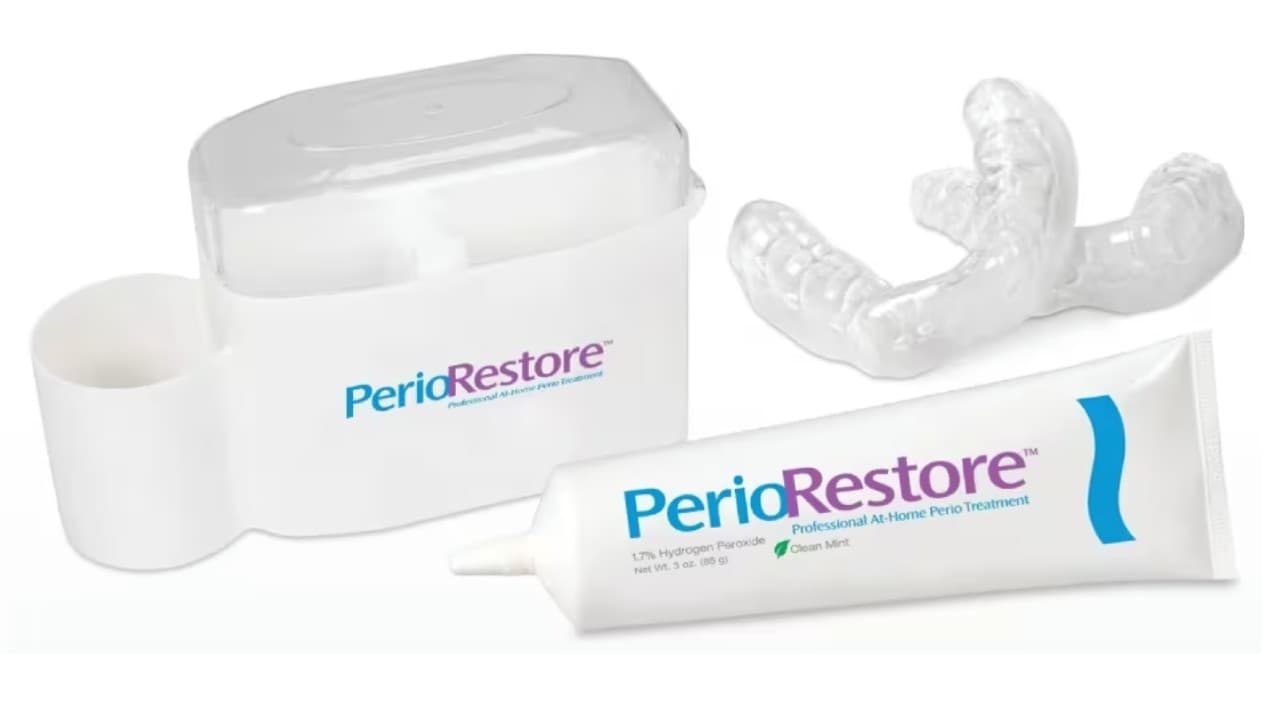
- Perio Restore: A prescription 1.7% hydrogen peroxide gel used with custom trays at home. It delivers antimicrobial treatment directly into the gum pockets to reduce bacteria and promote healing between dental visits.
- Oral antibiotics: In some cases, your dentist may prescribe a short course of oral antibiotics (such as doxycycline or amoxicillin) to help control a widespread or aggressive infection.
Surgical Treatments
When non-surgical treatments are not sufficient to control the disease, periodontal surgery may be necessary.
Flap Surgery (Pocket Reduction Surgery)
In flap surgery, the periodontist lifts back the gum tissue to access and clean the deep pockets, removes tartar deposits, and repositions the gums to fit more snugly around the teeth. This reduces pocket depth and makes it easier to keep the area clean going forward.
Bone Grafting
When periodontitis has destroyed the bone around a tooth, bone grafting can help regenerate lost bone. Grafting material (from your own body, a donor, or synthetic material) is placed where bone was lost to serve as a scaffold for new bone growth.
Soft Tissue (Gum) Grafting
When gum recession has exposed tooth roots, gum grafting takes tissue from another area (often the roof of the mouth) and attaches it to the affected site. This covers exposed roots, reduces sensitivity, and protects against further recession.
Guided Tissue Regeneration
This procedure uses a special biocompatible membrane placed between the bone and gum tissue to prevent gum tissue from growing into the area where bone should regenerate, encouraging the bone and connective tissue to regrow.
Periodontal Disease and Overall Health
Periodontal disease is not just an oral health problem. A growing body of research links chronic gum disease to several serious systemic health conditions:
- Heart disease and stroke. People with periodontal disease are two to three times more likely to have a heart attack, stroke, or other cardiovascular event. The bacteria and inflammatory molecules from infected gums can enter the bloodstream and contribute to arterial plaque buildup.
- Diabetes complications. The relationship between diabetes and gum disease is bidirectional. Periodontal disease makes it harder to control blood sugar, and high blood sugar accelerates gum disease. Treating gum disease has been shown to improve blood sugar control in diabetic patients.
- Respiratory infections. Bacteria from infected gums can be inhaled into the lungs, increasing the risk of pneumonia and other respiratory infections, particularly in older adults.
- Pregnancy complications. Pregnant women with periodontal disease have a higher risk of preterm birth and low birth weight babies. This is one of the reasons dental care during pregnancy is so important.
- Alzheimer's disease. Recent studies have found the bacteria responsible for periodontitis (P. gingivalis) in the brains of Alzheimer's patients. While the research is still evolving, the connection between chronic oral infection and cognitive decline is an active area of investigation.
Treating periodontal disease is not just about saving your teeth. It is about protecting your overall health.
How to Prevent Periodontal Disease
Preventing gum disease comes down to consistent daily habits and regular professional care:
- Brush twice daily for two minutes with fluoride toothpaste. Use a soft-bristled brush and angle the bristles toward the gumline at a 45-degree angle.
- Floss every day. Brushing alone only cleans about 60% of tooth surfaces. Flossing (or using interdental brushes or a water flosser) reaches the areas between teeth and below the gumline where plaque accumulates.
- Use an antimicrobial mouthwash. An antiseptic or antibacterial rinse helps reduce the bacterial load in your mouth, especially in areas that are hard to reach with a brush.
- Do not smoke or use tobacco. Quitting smoking is one of the most impactful things you can do for your gum health. Your dentist can help connect you with cessation resources.
- Eat a balanced diet. Foods rich in vitamin C, vitamin D, calcium, and omega-3 fatty acids support gum health and your body's ability to fight infection.
- Manage underlying health conditions. Keep diabetes, stress, and other conditions under control, as they directly affect your gum health.
- Keep up with dental visits. Regular checkups and cleanings allow your dentist to catch gum disease early, before it causes irreversible damage.
When to See a Dentist
Schedule an appointment if you notice any of these warning signs:
- Gums that bleed when you brush, floss, or eat
- Red, swollen, or tender gums
- Persistent bad breath that does not improve with brushing
- Gums that appear to be pulling away from your teeth
- Teeth that feel loose or are shifting position
- Changes in the way your teeth fit together when you bite
- Pus between your teeth and gums
- Pain when chewing
Even if you have no symptoms, regular dental exams with periodontal probing are essential. At MySmile Dental Care in Anaheim Hills, Dr. Bhatia performs thorough periodontal assessments at every checkup and can recommend the right treatment plan based on your specific situation. Whether you need a simple cleaning, deep cleaning, or Perio Restore therapy, early intervention gives you the best chance of keeping your teeth and gums healthy for life.
Frequently Asked Questions
Can periodontal disease be cured?
Gingivitis (the earliest stage) can be fully reversed with improved oral hygiene and professional cleaning. Once it progresses to periodontitis, the bone loss that has already occurred cannot be reversed. However, periodontitis can be managed and stabilized with professional treatment and consistent home care to prevent further damage.
Is periodontal disease contagious?
The bacteria that cause periodontal disease can be transferred through saliva, such as by sharing utensils or kissing. However, simply being exposed to these bacteria does not mean you will develop gum disease. Your immune system, oral hygiene habits, genetics, and other risk factors all play a role in whether the bacteria cause disease.
How fast does periodontal disease progress?
The speed of progression varies widely. Some people develop aggressive periodontitis that causes rapid bone loss over months, while others have a slow, chronic form that progresses over years or decades. Factors like smoking, diabetes, genetics, and immune health all influence how quickly the disease advances. Regular dental exams catch progression early.
Can I have periodontal disease without any symptoms?
Yes. Periodontal disease is often called a silent disease because it can progress significantly before causing noticeable pain. Many people do not realize they have it until a dentist measures their gum pockets during a routine exam. This is one of the main reasons regular dental checkups are so important.
Does periodontal disease affect overall health?
Research has linked periodontal disease to several systemic health conditions, including heart disease, stroke, diabetes complications, respiratory infections, and adverse pregnancy outcomes like preterm birth and low birth weight. The chronic inflammation and bacteria in diseased gums can enter the bloodstream and affect other parts of the body.
How much does periodontal disease treatment cost?
Costs vary by treatment type. A standard deep cleaning (scaling and root planing) typically ranges from $150 to $400 per quadrant, or $600 to $1,600 for a full mouth. Adjunctive treatments like Arestin or Perio Restore add to the cost. Periodontal surgery can range from $500 to $10,000 depending on the procedure. Many dental insurance plans cover periodontal treatment at 50% to 80% because it is medically necessary, not cosmetic.
How often should I see the dentist if I have periodontal disease?
Most patients with periodontal disease need periodontal maintenance visits every three to four months instead of the standard six-month schedule. These more frequent visits allow your dentist to monitor pocket depths, remove bacterial buildup before it causes further damage, and catch any signs of progression early.
Disclaimer
This article is for informational purposes only and does not constitute dental or medical advice. It is not a substitute for professional dental care, diagnosis, or treatment. Always consult your dentist or other qualified health care provider with any questions you may have about a dental condition or treatment. Reading this content does not establish a patient-provider relationship with MySmile Dental Care.
Concerned About Your Gum Health?
Periodontal disease is easier to treat when caught early. Dr. Bhatia can evaluate your gum health, measure pocket depths, and recommend a personalized treatment plan. At MySmile Dental Care in Anaheim Hills, we offer deep cleaning, Perio Restore therapy, and comprehensive periodontal care.