
 Emily Carter
At a Glance
- The most common causes of tooth pain are cavities, cracked teeth, gum recession, teeth grinding, and sinus infections.
- Sharp pain when biting often means a crack or fracture, while constant throbbing suggests a nerve infection or abscess.
- Sensitivity to hot, cold, or sweet foods usually points to enamel erosion or exposed dentin from receding gums.
- Home remedies like salt water rinses, cold compresses, and OTC pain relievers can provide temporary relief, but they do not treat the underlying cause.
- See a dentist promptly if pain lasts more than two days, wakes you up at night, or comes with swelling, fever, or pus.
Tooth pain is one of those things that is impossible to ignore. Whether it is a dull ache that lingers all day or a sharp jolt when you sip your morning coffee, your body is sending you a clear signal that something needs attention.
The tricky part is figuring out what is causing it. Tooth pain has dozens of possible causes, and the type of pain you feel, when it happens, and where it is located all provide clues. Here is a breakdown of the most common reasons your teeth might hurt and how to know when it is time to call your dentist.
The Most Common Causes of Tooth Pain
1. Cavities (Tooth Decay)
Cavities are the single most common cause of tooth pain worldwide. When bacteria in your mouth feed on sugars and starches, they produce acids that eat through your tooth enamel. In the early stages, you might not feel anything at all. But once decay reaches the dentin layer beneath the enamel, the tooth becomes sensitive to sweet, hot, and cold foods. If the decay reaches the pulp (the nerve center of the tooth), the pain becomes constant and severe.
What it feels like: Mild sensitivity that progresses to sharp or throbbing pain. You may notice pain when eating sugary foods or drinking hot or cold beverages. A visible dark spot or hole in the tooth may be present.
2. Cracked or Fractured Tooth
A crack in your tooth can be invisible to the naked eye but cause significant pain. Cracks often result from biting hard foods, grinding your teeth, large fillings that weaken the tooth structure, or trauma. The pain from a cracked tooth is often unpredictable because it only hurts when the crack opens and closes during chewing.
What it feels like: Sharp, shooting pain when you bite down or release your bite. The pain may come and go, and you might struggle to identify exactly which tooth is the problem. The tooth may also be sensitive to temperature changes.
3. Gum Recession and Gum Disease
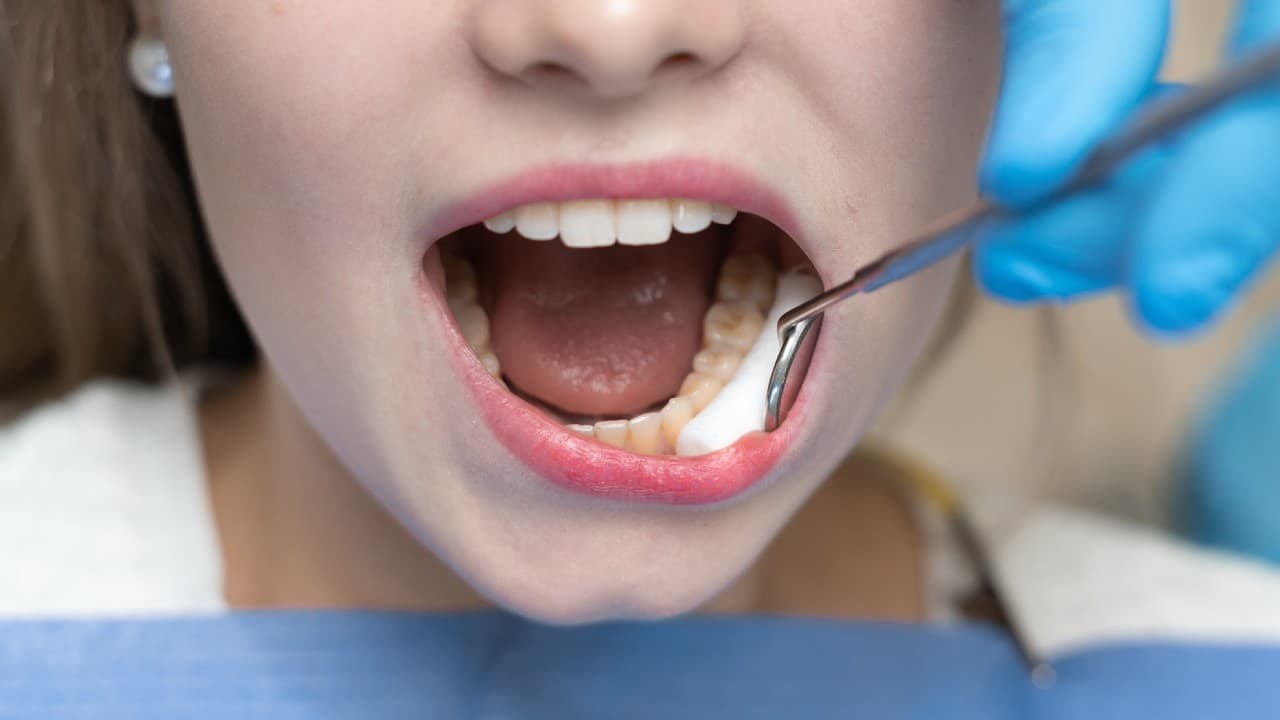
When your gums pull back from your teeth, they expose the root surfaces, which are not protected by enamel. These exposed roots are extremely sensitive to temperature, touch, and acidic foods. Gum recession can happen gradually from aggressive brushing, gum disease, aging, or genetics.
Gum disease (periodontitis) can also cause deep, aching pain around the teeth as the infection damages the bone and tissue holding your teeth in place. You might notice red, swollen, or bleeding gums along with the pain.
What it feels like: A broad sensitivity along the gumline, especially to cold air, cold water, or acidic foods. If gum disease is the cause, the teeth may feel loose, and your gums may bleed when you brush or floss.
4. Teeth Grinding (Bruxism)
Grinding or clenching your teeth, especially during sleep, puts tremendous force on your teeth, jaw muscles, and temporomandibular joint (TMJ). Over time, this can wear down enamel, cause microcracks, and leave your teeth sore and sensitive every morning. Many people do not realize they grind their teeth until a dentist spots the wear patterns or a partner hears it at night.
What it feels like: Generalized soreness across multiple teeth, especially after waking up. You may also have jaw pain, headaches concentrated around the temples, and earaches. The teeth may look flattened or worn on the biting surfaces.
5. Tooth Abscess
A tooth abscess is a pocket of pus caused by a bacterial infection at the root of a tooth or between the tooth and gum. Abscesses are serious. They produce intense, constant pain and can spread to other parts of your body if left untreated. An abscess will not resolve on its own and always requires professional treatment.
What it feels like: Severe, throbbing pain that radiates to your jaw, ear, or neck. The pain is usually constant and may worsen when you lie down. You may notice a foul taste in your mouth, swelling in the face or cheek, fever, or a small pimple-like bump on the gum near the affected tooth.
6. Sinus Infection (Sinusitis)
This is one of the most surprising causes of tooth pain. Your upper back teeth (molars and premolars) have roots that sit directly beneath your maxillary sinuses. When those sinuses become inflamed from a cold, allergies, or infection, the pressure pushes down on the tooth roots and mimics a toothache.
What it feels like: A dull, aching pressure across several upper teeth simultaneously. The pain gets worse when you bend forward, jump, or go up stairs. You will typically have other sinus symptoms like congestion, postnasal drip, and facial pressure.
7. Enamel Erosion and Tooth Sensitivity
Enamel erosion happens when acids from foods, drinks, acid reflux, or frequent vomiting wear down the protective outer layer of your teeth. Once the enamel thins, the dentin underneath becomes exposed, and your teeth react to hot, cold, sweet, and acidic stimuli. Unlike a cavity (which is localized), erosion-related sensitivity often affects multiple teeth.
What it feels like: A brief, sharp zing when consuming hot, cold, sweet, or acidic foods and drinks. The pain fades quickly once the trigger is removed. For more about managing this, see our guide on how to stop sensitive teeth pain immediately.
8. Other Causes
Less common causes of tooth pain include:
- Impacted wisdom teeth pushing against neighboring teeth
- A damaged or failing filling that allows bacteria to reach the tooth interior
- Recent dental work (fillings, crowns, or cleanings can leave teeth temporarily sensitive)
- Orthodontic treatment causing pressure as teeth shift
- TMJ disorders that cause referred pain to the teeth and jaw
What Different Types of Tooth Pain Mean
The character of your pain is one of the best clues to its cause. Here is a quick reference:
- Sharp, fleeting pain with cold or sweet foods: Enamel erosion, exposed roots, or a small cavity
- Sharp pain when biting down: Cracked tooth, loose filling, or high restoration
- Constant, throbbing pain: Abscess, deep cavity reaching the nerve, or advanced infection
- Dull ache across multiple upper teeth: Sinus infection or congestion
- Generalized soreness after waking: Nighttime teeth grinding (bruxism)
- Lingering pain after hot or cold: Nerve inflammation (pulpitis), which may need a root canal
- Pain along the gumline: Gum recession, gum disease, or aggressive brushing
Home Remedies for Temporary Relief
These remedies can help manage tooth pain while you wait for your dental appointment. They treat symptoms, not the underlying cause, so they are not a substitute for professional care.
- Salt water rinse. Dissolve half a teaspoon of salt in eight ounces of warm water and swish for 30 seconds. Salt water reduces inflammation and can draw out fluid from swollen gum tissue.
- Cold compress. Hold an ice pack wrapped in a towel against the outside of your cheek for 15 to 20 minutes. This numbs the area and reduces swelling, especially helpful for abscesses and post-trauma pain.
- Over-the-counter pain relievers. Ibuprofen (Advil) is often the best choice because it reduces both pain and inflammation. Follow the dosage instructions on the label. Do not place aspirin directly on your gums, as this can burn the tissue.
- Clove oil. Clove oil contains eugenol, a natural anesthetic. Dab a small amount onto a cotton ball and press it gently against the affected area for temporary numbing relief.
- Desensitizing toothpaste. Toothpastes with potassium nitrate (like Sensodyne) can calm nerve sensitivity over a few days of regular use. For faster results, apply a small amount directly to the sensitive area and leave it for a few minutes before rinsing.
- Elevate your head while sleeping. If your tooth pain worsens at night, prop up with an extra pillow. Lying flat increases blood flow to your head, which can intensify throbbing pain.

When to See a Dentist
Not all tooth pain requires an emergency visit, but you should never ignore it entirely. Here is a general guide:
Schedule a regular appointment if:
- Sensitivity to hot, cold, or sweet that lasts a few seconds
- Mild, intermittent pain that does not keep you up at night
- Gum tenderness or minor bleeding when brushing
- Pain that appeared after recent dental work (often temporary)
Call your dentist as soon as possible if:
- Pain lasts more than two days and is not improving
- Pain is severe enough to disrupt eating, sleeping, or concentration
- You notice a visible crack, chip, or dark spot on a tooth
- Your gums are red, swollen, and bleeding regularly
Seek emergency dental care if:
- Severe, unrelenting pain that does not respond to OTC medications
- Facial swelling, especially if spreading toward the eye or throat
- Fever combined with tooth or jaw pain
- Pus draining from the gums or a foul taste in your mouth
- A tooth knocked out or broken from trauma
- Difficulty breathing or swallowing along with dental pain
How Your Dentist Diagnoses Tooth Pain
When you come in for a pain evaluation, your dentist will use several methods to identify the source:
- Visual examination. Checking for visible cavities, cracks, gum recession, and signs of infection
- Percussion testing. Gently tapping on teeth to see which ones are tender, which helps locate the problem tooth
- Cold testing. Applying cold stimulus to individual teeth to measure nerve response and identify teeth with compromised nerves
- Bite testing. Having you bite on a stick or tool to reproduce pain from cracks or fractures
- Digital X-rays. Revealing cavities between teeth, bone loss from gum disease, abscesses at the root tips, and hidden cracks that are not visible to the eye
This combination of tests allows your dentist to determine not just which tooth hurts, but exactly what is causing it and the best course of treatment.
How to Prevent Tooth Pain
Most causes of tooth pain are preventable with good oral care habits:
- Brush twice daily with a fluoride toothpaste and a soft-bristled brush. Avoid brushing too aggressively, which can erode enamel and cause gum recession. See our guide on how often you should brush for the recommended routine.
- Floss daily to remove plaque and food debris from between teeth where your brush cannot reach
- Visit your dentist every six months for professional cleanings and exams that catch problems early, before they cause pain
- Wear a night guard if you grind your teeth. A custom-fitted mouthguard protects your teeth from grinding damage while you sleep.
- Limit acidic and sugary foods that erode enamel and feed cavity-causing bacteria
- Do not chew ice, hard candy, or non-food objects that can crack teeth
- Address dental problems early. A small cavity that is painless today becomes a root canal if left untreated
The Bottom Line
Tooth pain is your body telling you that something is wrong. While the cause could be something minor like temporary sensitivity after whitening, it could also signal a cavity, crack, abscess, or gum disease that will only get worse without treatment. The sooner you find out what is going on, the simpler and less expensive the fix tends to be.
If your teeth have been hurting and you are not sure why, schedule an exam at MySmile Dental Care in Anaheim Hills. Dr. Bhatia will find the source of your pain, explain your options, and get you back to comfortable, pain-free days.
Frequently Asked Questions
Why do my teeth hurt when I eat something cold?
Sensitivity to cold usually means exposed dentin, enamel erosion, or gum recession. When the protective enamel layer wears thin or your gums pull back, the nerve-rich dentin underneath reacts to temperature changes. Desensitizing toothpaste can help mild cases, but persistent cold sensitivity should be evaluated by a dentist to rule out a crack or cavity.
Can a sinus infection make your teeth hurt?
Yes. The roots of your upper back teeth sit very close to your maxillary sinuses. When your sinuses are inflamed or infected, the pressure can push against those roots and cause aching or throbbing in your upper molars and premolars. The pain usually affects multiple teeth at once and gets worse when you bend forward. It should resolve once the sinus infection clears up.
Why do my teeth hurt when I wake up in the morning?
Morning tooth pain is most commonly caused by nighttime teeth grinding (bruxism). Many people clench or grind their teeth during sleep without realizing it, which puts enormous pressure on the teeth and jaw. Other signs include jaw soreness, headaches, and worn or flattened tooth surfaces. A custom night guard can protect your teeth while you sleep.
Why do my teeth hurt after whitening?
Whitening products contain hydrogen peroxide or carbamide peroxide, which can temporarily dehydrate your teeth and irritate the nerve inside. This sensitivity is normal, usually mild, and typically fades within a few days. Using a desensitizing toothpaste before and after whitening treatments can reduce discomfort. If pain is severe or lasts longer than a week, contact your dentist.
When is tooth pain a dental emergency?
Seek emergency dental care if you have severe, unrelenting pain that does not respond to over-the-counter pain relievers, swelling in your face or jaw, fever along with tooth pain, a knocked-out or broken tooth from trauma, or pus draining near a tooth. These symptoms can indicate an abscess or serious infection that needs immediate treatment.
Can stress cause tooth pain?
Stress itself does not damage teeth directly, but it often leads to clenching and grinding (bruxism), which causes tooth pain, jaw soreness, and headaches. Stress can also weaken your immune system, making you more susceptible to gum infections that cause pain. Managing stress through exercise, relaxation techniques, and wearing a night guard can help break the cycle.
Why does only one tooth hurt?
Pain isolated to a single tooth usually points to a problem with that specific tooth, such as a cavity, a crack, a failing filling, or an abscess at the root. If the pain is sharp when you bite down, a crack or fracture is likely. If it throbs constantly, the nerve inside the tooth may be inflamed or infected. A dental exam with X-rays can pinpoint the exact cause.
Disclaimer
This article is for informational purposes only and does not constitute dental or medical advice. It is not a substitute for professional dental care, diagnosis, or treatment. Always consult your dentist or other qualified health care provider with any questions you may have about a dental condition or treatment. Reading this content does not establish a patient-provider relationship with MySmile Dental Care.
Tired of Wondering Why Your Teeth Hurt?
Dr. Bhatia at MySmile Dental Care can identify the exact cause of your tooth pain with a thorough exam and digital X-rays. Whether you need a simple filling, a night guard, or a more advanced treatment, we will create a plan to get you out of pain and keep you comfortable.