
 Emily Carter
At a Glance
- Desensitizing toothpaste with potassium nitrate or stannous fluoride is the most effective at-home treatment, with noticeable relief in one to two weeks.
- For immediate relief, try a salt water rinse, apply clove oil to the affected area, or rub desensitizing toothpaste directly on sensitive spots.
- Common causes include enamel erosion, gum recession, teeth grinding, cracked teeth, recent whitening, and cavities.
- Avoid very hot, cold, acidic, and sugary foods until the sensitivity is under control.
- See a dentist if sensitivity lasts more than two weeks, affects a single tooth sharply, or is triggered by hot temperatures, as these may signal a deeper problem.
You bite into something cold and a sharp jolt shoots through your tooth. Or you sip your morning coffee and feel a dull, aching throb. Tooth sensitivity affects roughly 1 in 8 adults, and when it strikes, you want relief right now.
The good news is that several at-home remedies can reduce sensitivity quickly, and long-term solutions exist for nearly every cause. Here is what works, why your teeth hurt, and when you need to see a dentist.
What Causes Sensitive Teeth?
To understand the remedies, it helps to understand the problem. Your teeth have a hard outer shell of enamel that protects the softer layer underneath called dentin. Dentin contains thousands of microscopic tubes (called tubules) that lead directly to the tooth's nerve. When enamel wears away or gums recede, those tubules become exposed, and hot, cold, sweet, or acidic substances can reach the nerve and trigger pain.
The most common causes of tooth sensitivity include:
- Enamel erosion from acidic foods, drinks (citrus, soda, wine), or acid reflux
- Gum recession from aggressive brushing, gum disease, or aging, which exposes the root surface (roots have no enamel)
- Teeth grinding (bruxism) that wears down enamel over time
- Cracked or chipped teeth that expose the dentin or pulp
- Cavities or tooth decay that have reached the dentin layer
- Recent dental work such as fillings, crowns, or whitening treatments
- Worn or leaking fillings that no longer seal the tooth properly
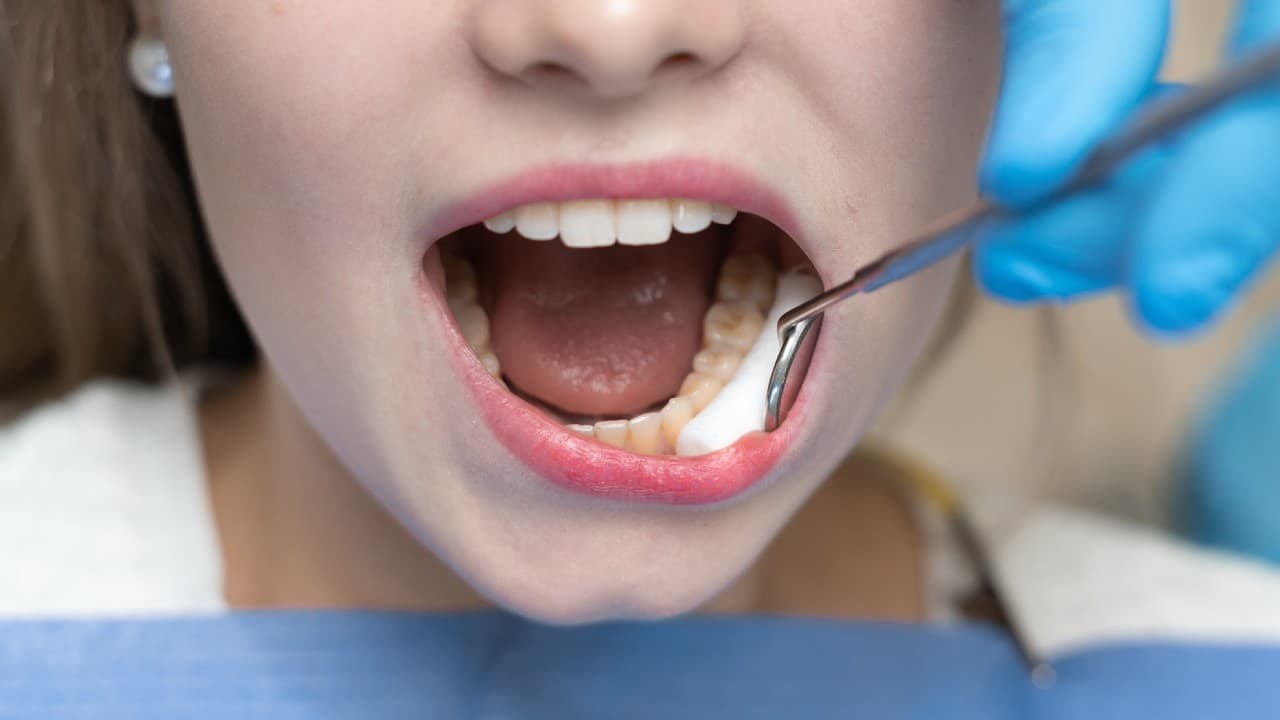
9 Ways to Stop Sensitive Teeth Pain Fast
These remedies range from instant pain relief to treatments that build up protection over one to two weeks. For the best results, combine several approaches.
1. Switch to Desensitizing Toothpaste
This is the single most effective at-home remedy for tooth sensitivity. Desensitizing toothpastes contain active ingredients that block pain signals or seal exposed dentin tubules:
- Potassium nitrate (found in Sensodyne, Colgate Sensitive) calms the nerve inside your tooth so it stops reacting to stimuli
- Stannous fluoride (found in Sensodyne Rapid Relief, Crest Pro-Health) physically blocks the exposed tubules while also strengthening enamel
For a quick boost, rub a small dab of desensitizing toothpaste directly onto the sensitive area with your finger before bed and leave it on overnight. Most people notice significant improvement within one to two weeks of twice-daily use.
2. Salt Water Rinse
Dissolve half a teaspoon of salt in eight ounces of warm water and swish for 30 seconds. Salt water is a natural antiseptic that reduces inflammation and can temporarily ease sensitivity. It also helps maintain a healthy pH in your mouth, which protects enamel from further acid damage. You can repeat this two to three times daily.
3. Clove Oil
Clove oil contains eugenol, a natural anesthetic and anti-inflammatory compound. Dab a small amount onto a cotton ball and hold it against the sensitive tooth for one to two minutes. You should feel a numbing sensation within seconds. Clove oil provides temporary relief and is particularly useful for acute flare-ups while you wait for other treatments to take effect.
4. Avoid Trigger Foods and Drinks
While you are working on a long-term solution, limiting exposure to triggers reduces daily pain:
- Very cold foods like ice cream, iced drinks, and smoothies
- Very hot drinks like fresh coffee or tea (let them cool slightly)
- Acidic foods and drinks like citrus, tomatoes, soda, and wine
- Sugary foods that can trigger nerve pain in exposed dentin
When you do consume cold drinks, use a straw to minimize contact with your teeth. This small change can make a noticeable difference.

5. Use a Soft-Bristled Toothbrush
Medium or hard-bristled toothbrushes can wear down enamel and irritate receding gums, making sensitivity worse over time. Switch to a soft-bristled brush and use gentle, short strokes at a 45-degree angle to your gumline. Electric toothbrushes with pressure sensors are especially helpful because they alert you when you are pressing too hard.
6. Fluoride Mouthwash
An over-the-counter fluoride mouthwash (look for 0.05% sodium fluoride) strengthens enamel and can reduce sensitivity over time. Use it once daily after brushing, swishing for one minute. Do not eat or drink for 30 minutes afterward to give the fluoride time to absorb. This works well as a complement to desensitizing toothpaste.
7. Stop Grinding with a Night Guard
If you grind your teeth at night (bruxism), you are constantly wearing down your enamel and creating new areas of sensitivity. Signs include jaw soreness in the morning, worn or flattened tooth surfaces, and headaches. A custom night guard from your dentist protects your teeth from further grinding damage. Over-the-counter boil-and-bite guards are a temporary option, but custom-fitted guards are more comfortable and effective for long-term use.
8. Try a Green Tea Rinse
Green tea contains catechins, natural antioxidants with anti-inflammatory properties. Brew a cup of unsweetened green tea, let it cool to a comfortable temperature, and use it as a mouth rinse twice daily. Research has shown that green tea extract can strengthen tooth enamel and reduce erosion. It is a gentle, low-risk supplement to your other sensitivity treatments.
9. Apply a Honey and Warm Water Rinse
Raw honey has natural antibacterial and anti-inflammatory properties. Mix a teaspoon of raw honey into a cup of warm water and swish for 30 seconds. This can help reduce inflammation around the gums and promote healing of irritated tissue. Use it once or twice daily as a supplemental rinse (not a replacement for brushing and fluoride).
Professional Treatments for Lasting Relief
Home remedies manage symptoms, but professional treatments address the root cause. Here are the most common options your dentist may recommend:
Fluoride Varnish
Your dentist applies a concentrated fluoride gel or varnish directly to sensitive areas. This strengthens enamel and blocks exposed tubules more effectively than over-the-counter products. Professional fluoride treatments are quick (about five minutes), painless, and can provide relief for several months per application.
Dental Bonding
For teeth with exposed root surfaces due to gum recession, your dentist can apply tooth-colored composite resin to cover the exposed area. This seals the dentin tubules and provides immediate, long-lasting relief. The bonding typically lasts three to five years before needing replacement.
Gum Graft Surgery
When gum recession is severe, a periodontist can take tissue from another area of your mouth (usually the palate) and graft it over the exposed root. This restores the natural gum coverage and eliminates sensitivity permanently in that area. This is typically reserved for advanced recession that has not responded to other treatments.
Custom Night Guard
If grinding is the cause, a custom-fitted night guard prevents further enamel wear. Unlike store-bought options, custom guards are molded from impressions of your teeth for a precise fit that is comfortable enough to wear every night.
Root Canal (for Severe Cases)
When sensitivity is severe, persistent, and does not respond to other treatments, the nerve inside the tooth may be compromised. A root canal removes the damaged nerve tissue and seals the tooth, permanently eliminating sensitivity in that tooth. While this sounds extreme, it is a last resort reserved for cases where the nerve is inflamed or infected.

How to Prevent Tooth Sensitivity
Once you have your sensitivity under control, these habits will keep it from coming back:
- Wait 30 minutes after eating to brush. Acidic foods soften enamel temporarily. Brushing too soon after eating can scrub away the softened layer. Rinse with water first, then brush after the waiting period.
- Use fluoride toothpaste twice daily. Fluoride remineralizes enamel and strengthens your teeth against acid attacks. Even if you use a desensitizing toothpaste, make sure it also contains fluoride.
- Limit acidic foods and drinks. Citrus, soda, wine, and vinegar-based dressings all erode enamel. When you do consume them, rinse with water immediately afterward.
- Do not use hard-bristled toothbrushes. Stick with soft bristles and replace your brush every three to four months, or sooner if the bristles are splayed.
- Wear a night guard if you grind. Protecting your enamel from grinding is one of the most impactful things you can do for sensitivity prevention.
- Keep up with regular dental checkups. Your dentist can catch enamel wear, gum recession, and early cavities before they become painful. Professional cleanings also remove tartar buildup that contributes to gum disease and recession.
When to See a Dentist
Home remedies are a good starting point, but you should schedule a dental appointment if:
- Sensitivity lasts more than two weeks despite using desensitizing toothpaste
- Pain is sharp and localized to one specific tooth (could indicate a crack or cavity)
- Hot foods or drinks cause lingering pain lasting more than 30 seconds (possible nerve involvement)
- You notice visible gum recession, darkening of a tooth, or swelling
- Sensitivity appeared suddenly after a fall, injury, or biting something hard
- Over-the-counter pain relievers are not managing the discomfort
These signs may indicate a problem that requires professional treatment, and catching it early usually means simpler, less expensive care. At MySmile Dental Care in Anaheim Hills, Dr. Bhatia can evaluate your sensitivity, identify the cause, and recommend the most effective treatment plan for your situation.
Frequently Asked Questions
Why are my teeth suddenly sensitive?
Sudden tooth sensitivity usually means something has changed: new enamel erosion from acidic foods or drinks, a cracked tooth, a new cavity, gum recession exposing a root surface, or recent dental work like a filling or whitening treatment. If the sensitivity appeared overnight or affects a single tooth, see your dentist soon, as it could indicate a crack or decay that needs treatment before it worsens.
How long does tooth sensitivity last?
It depends on the cause. Sensitivity from whitening treatments or a new filling typically fades within one to two weeks. Sensitivity from enamel erosion or gum recession is ongoing and will not resolve on its own without treatment. If your sensitivity lasts more than two weeks or is getting worse, schedule a dental exam to identify the underlying cause.
Does sensitive teeth mean a cavity?
Not always, but it can. Cavities are one of many possible causes of tooth sensitivity. Other common causes include enamel erosion, gum recession, teeth grinding, cracked teeth, and worn fillings. The key difference is that cavity pain tends to be localized to one tooth and may worsen with sweet foods, while generalized sensitivity across multiple teeth is more likely related to enamel wear or gum recession.
Can sensitive teeth be cured permanently?
In many cases, yes. The treatment depends on the cause. Mild enamel erosion can be managed with fluoride treatments and desensitizing toothpaste. Gum recession can be treated with bonding or gum grafts. Cracked teeth or cavities are fixed with fillings, crowns, or root canals. The home remedies in this article provide temporary relief, but lasting results require identifying and treating the root cause with your dentist.
Is cold or hot sensitivity worse?
Both matter, but they can point to different problems. Cold sensitivity is more common and often related to enamel erosion, gum recession, or minor cracks. Hot sensitivity can be a sign of a deeper issue, such as inflammation or infection in the tooth's nerve (pulp). If hot foods or drinks cause lingering pain that lasts more than 30 seconds, contact your dentist promptly, as this may indicate the nerve is compromised.
Should I avoid brushing sensitive teeth?
No, but you should adjust your technique. Use a soft-bristled toothbrush, brush gently with short strokes, and switch to a desensitizing toothpaste containing potassium nitrate or stannous fluoride. Skipping brushing will only make things worse by allowing plaque buildup, which can lead to more enamel erosion and gum disease. Proper brushing protects sensitive teeth rather than harming them.
Does Sensodyne actually work for sensitive teeth?
Yes, Sensodyne and similar desensitizing toothpastes are backed by research. The active ingredient, usually potassium nitrate or stannous fluoride, works by either blocking the nerve signals in your teeth or physically sealing the exposed tubules in your dentin. Most people notice improvement within one to two weeks of consistent twice-daily use. For best results, apply a small amount directly to sensitive areas before bed and leave it on overnight.
Disclaimer
This article is for informational purposes only and does not constitute dental or medical advice. It is not a substitute for professional dental care, diagnosis, or treatment. Always consult your dentist or other qualified health care provider with any questions you may have about a dental condition or treatment. Reading this content does not establish a patient-provider relationship with MySmile Dental Care.
Tired of Wincing Every Time You Eat?
Tooth sensitivity that does not go away needs professional attention. At MySmile Dental Care, Dr. Bhatia can pinpoint what is causing your pain and recommend treatments that provide lasting relief, from fluoride varnishes to bonding and custom night guards.