
 Emily Carter
At a Glance
- A tooth abscess is a serious bacterial infection that always requires professional dental treatment. Home remedies can only provide temporary relief.
- The most effective home remedies for pain management include salt water rinses, cold compresses, over-the-counter pain relievers (ibuprofen), and clove oil.
- Never attempt to pop, drain, or ignore an abscess. The infection will not go away on its own and can spread to become life-threatening.
- Seek emergency care immediately if you have fever, facial swelling, difficulty breathing or swallowing, or swelling spreading to your eye or neck.
- Professional treatment options include drainage, root canals, and extraction, with financing available for patients concerned about cost.
If you are searching for home remedies for a tooth abscess, you are probably in serious pain right now. We understand. A tooth abscess can cause intense, throbbing pain that makes it hard to eat, sleep, or focus on anything else.
Here is the honest truth: a tooth abscess cannot be cured at home. It is a bacterial infection that requires professional dental treatment. But there are safe, effective things you can do right now to manage the pain while you wait for your appointment. This article covers what actually helps, what to avoid, and how to recognize when an abscess becomes a medical emergency.
What Is a Tooth Abscess?
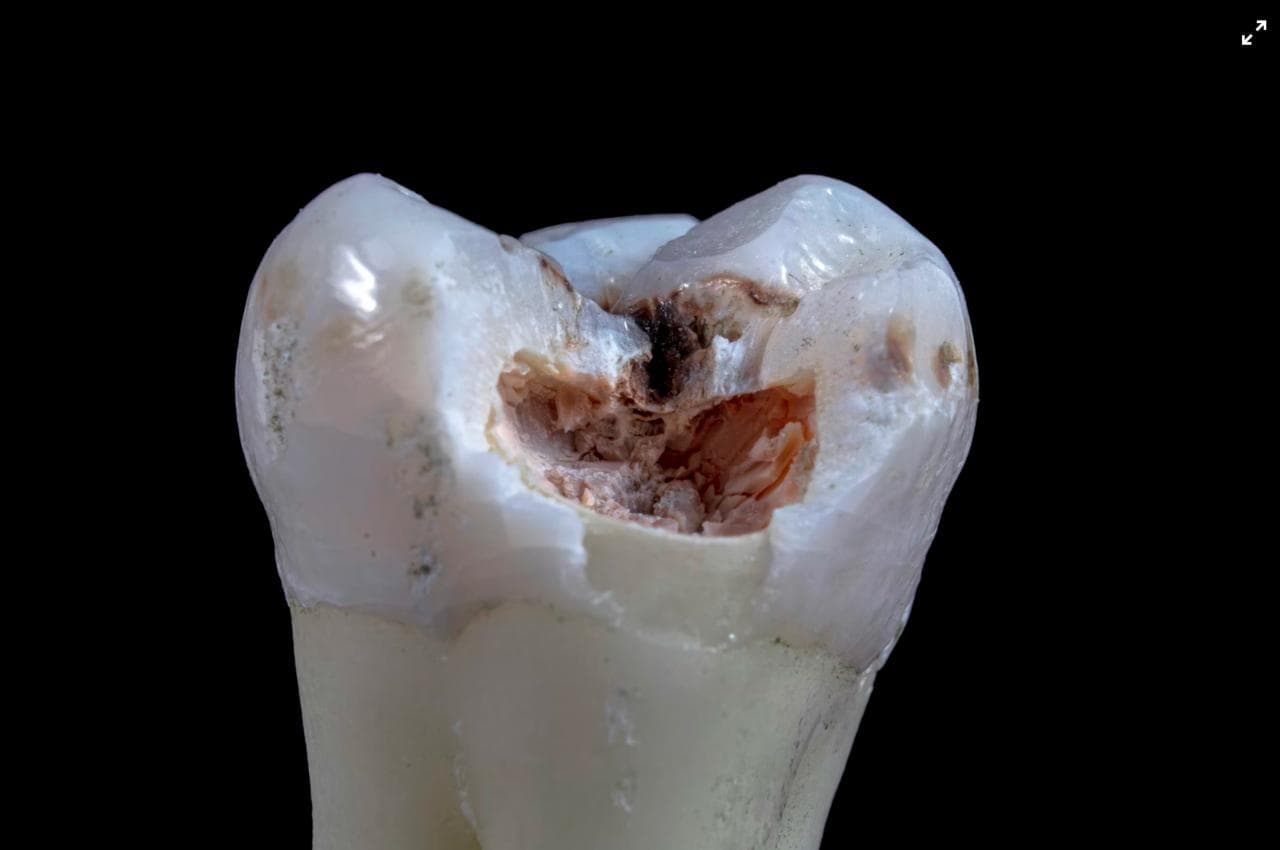
A tooth abscess is a pocket of pus caused by a bacterial infection. It can form at the tip of the tooth root (periapical abscess) or in the gums alongside the root (periodontal abscess). Both types are the result of bacteria entering the tooth or gum tissue through a cavity, crack, or gum disease.
Common symptoms of a tooth abscess include:
- Severe, persistent, throbbing toothache that may radiate to your jaw, ear, or neck
- Sensitivity to hot and cold temperatures
- Pain when chewing or biting
- Swelling in your face, cheek, or neck
- Swollen, tender lymph nodes under your jaw
- A foul taste in your mouth (if the abscess ruptures)
- Fever
The infection will not resolve on its own. Even if the abscess ruptures and the pain temporarily decreases, the underlying infection remains. Left untreated, it can spread to your jaw bone, other areas of your head and neck, or in rare but serious cases, your bloodstream (sepsis).
Home Remedies for Tooth Abscess Pain Relief
These remedies are for temporary pain management only. They do not treat the infection. Use them to stay comfortable while you arrange to see a dentist.
Salt Water Rinse
A warm salt water rinse is the simplest and most widely recommended home remedy for abscess pain. Mix half a teaspoon of table salt into eight ounces of warm (not hot) water. Swish gently around the affected area for 30 seconds, then spit. Repeat two to three times daily.
Salt water helps by drawing some of the infection toward the surface, reducing bacteria in the mouth, and soothing inflamed tissue. It will not cure the infection, but it can reduce discomfort and help keep the area cleaner.
Cold Compress
Apply a cold pack or bag of ice wrapped in a thin towel to the outside of your cheek near the painful area. Keep it on for 15 to 20 minutes at a time, with at least 15 minutes between applications. Cold constricts blood vessels, which reduces swelling and numbs the area for temporary pain relief.
Never apply ice directly to the skin, and do not use heat on an abscess. Heat can increase blood flow to the area and potentially make the swelling worse.
Over-the-Counter Pain Relievers
Ibuprofen (Advil, Motrin) is the preferred over-the-counter painkiller for a tooth abscess because it addresses both pain and inflammation. Take it as directed on the label (typically 200 to 400 mg every four to six hours for adults).
For stronger relief, many dentists recommend alternating ibuprofen and acetaminophen (Tylenol). Take ibuprofen, wait three hours, then take acetaminophen, wait three hours, then take ibuprofen again. This approach provides more consistent pain coverage without exceeding the safe dosage of either medication.
Avoid aspirin if you think you may need a dental procedure soon, as it thins the blood and can increase bleeding. Never place a crushed aspirin directly on the gum tissue. This old folk remedy causes chemical burns to the soft tissue and makes things worse.

Clove Oil (Eugenol)
Clove oil contains eugenol, a natural compound with both anesthetic and antibacterial properties. It has been used in dentistry for centuries and remains an ingredient in some professional dental products today.
To use it, apply a small amount of clove oil to a cotton ball or swab and dab it gently on the painful area. You may feel a tingling or warming sensation. Reapply every two to three hours as needed. You can find clove oil at most pharmacies and health food stores.
Be careful not to swallow large amounts of clove oil, and avoid using it on children without consulting a dentist.
Elevate Your Head While Sleeping
Lying flat increases blood pressure to your head, which can intensify throbbing pain from an abscess. Prop yourself up with an extra pillow or two so your head stays elevated above your heart. This simple adjustment can make a noticeable difference in pain levels at night.
Hydrogen Peroxide Rinse (Diluted)
A diluted hydrogen peroxide rinse can help reduce bacteria around the abscess. Mix equal parts 3% hydrogen peroxide and water. Swish gently for 30 seconds and spit. Do not swallow. Use this no more than two to three times daily.
This is a temporary measure. While hydrogen peroxide has antibacterial properties, it cannot reach the sealed-off infection inside the tooth or deep in the gum pocket.
What NOT to Do with a Tooth Abscess
Some common instincts and internet advice can actually make things worse. Avoid these:
- Do not try to pop or drain it. Squeezing or puncturing an abscess with a needle, pin, or any other object can push bacteria deeper into the tissue, spread the infection to new areas, and introduce additional bacteria from unsterile instruments.
- Do not apply heat. Warm compresses or heating pads can increase swelling and may encourage the infection to spread. Stick to cold compresses only.
- Do not ignore it. Even if the pain subsides (which can happen if the abscess ruptures and drains), the infection is still there. Ignoring it allows it to spread to your jawbone and surrounding structures.
- Do not rely solely on antibiotics. While a doctor or dentist may prescribe antibiotics to control the infection, antibiotics alone cannot cure a tooth abscess. The source of the infection (inside the tooth or gum) needs to be physically addressed.
- Do not place aspirin on the gum. This causes a chemical burn to the tissue without providing any benefit to the underlying infection.
- Do not eat on the affected side. Chewing near the abscess increases pain and can put pressure on the infection. Stick to soft foods and chew on the opposite side.
When a Tooth Abscess Is a Medical Emergency
Most tooth abscesses can wait a day or two for a dental appointment, as long as you manage the pain and the infection is not spreading. But certain symptoms mean you need emergency medical care right away:
- Fever over 101 degrees F (38.3 C) combined with facial swelling
- Difficulty breathing or swallowing. Swelling in the throat or under the tongue can compromise your airway. This is a life-threatening emergency.
- Swelling spreading to your eye, neck, or chest. This indicates the infection is moving beyond the original site.
- Difficulty opening your mouth (trismus). This suggests the infection is affecting the muscles and spaces around your jaw.
- Confusion, rapid heart rate, or feeling very ill. These can be signs of sepsis, a systemic response to infection that requires immediate hospital treatment.
If you experience any of these, go to the nearest emergency room. Do not wait for a dental appointment. Emergency physicians can start IV antibiotics and manage airway concerns while arranging follow-up dental care.
How Dentists Actually Treat a Tooth Abscess
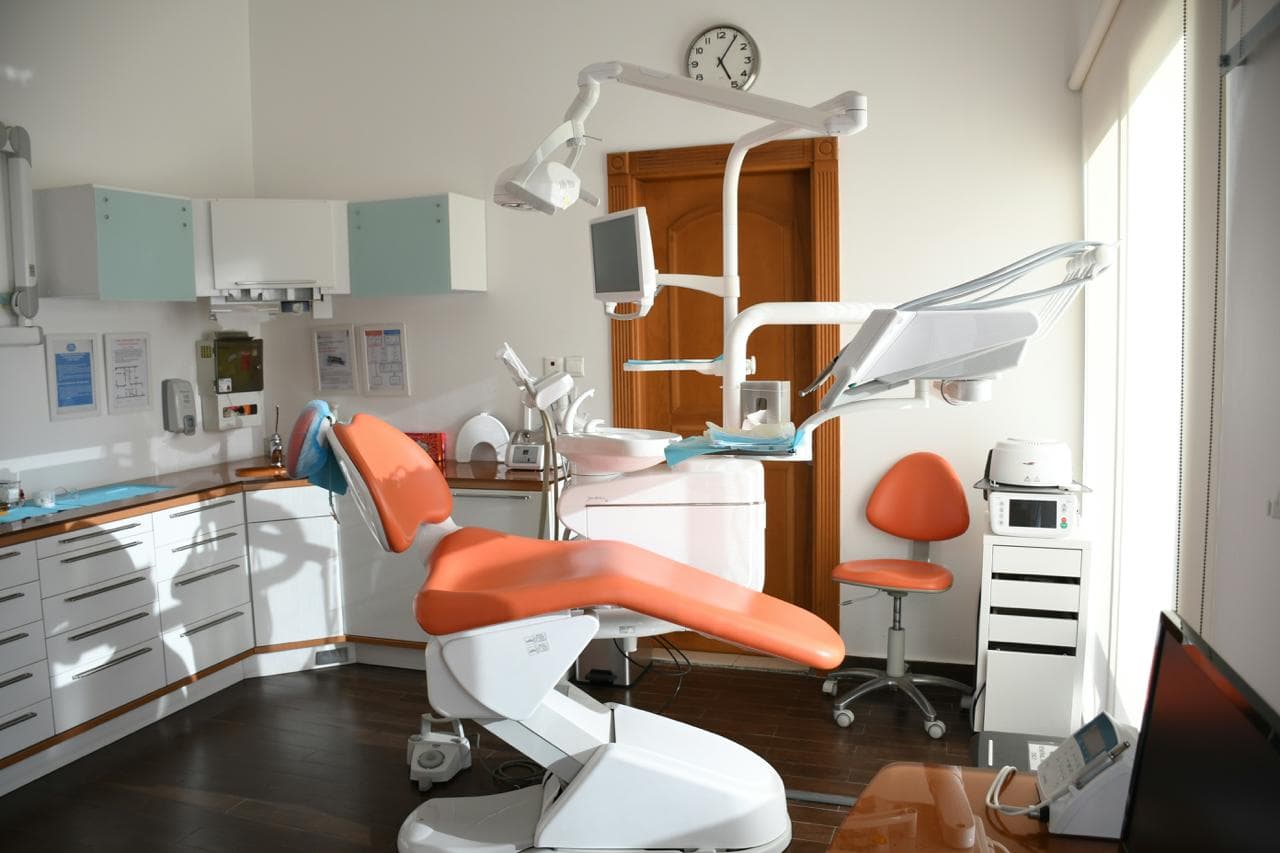
Professional treatment focuses on eliminating the source of infection. Your dentist will determine the best approach based on the type and severity of the abscess:
Incision and Drainage
For abscesses with significant swelling, the dentist may make a small incision to drain the pus. This provides immediate relief from pressure and pain. The area is then cleaned with saline solution. If you are nervous about dental procedures, sedation dentistry options can help you stay comfortable.
Root Canal
If the infection started inside the tooth (periapical abscess), a root canal is often the best way to save the tooth. The dentist removes the infected pulp tissue from inside the tooth, cleans and disinfects the root canals, and seals them. The tooth is then restored with a crown. Despite its reputation, a modern root canal with proper numbing is no more uncomfortable than getting a filling.
Tooth Extraction
If the tooth is too damaged by decay to be saved, your dentist may recommend extraction. After the tooth is removed, the abscess is drained and the area is cleaned. You can later discuss replacement options like dental implants or bridges once the site has healed.
Antibiotics
Antibiotics are not always necessary for a tooth abscess, but your dentist may prescribe them if the infection has spread beyond the immediate area, if you have a weakened immune system, or if the swelling is severe. Common choices include amoxicillin, clindamycin, or metronidazole. Always finish the full course, even if you feel better after a few days.
Worried About the Cost of Treatment?
We understand that many people search for home remedies because they are worried about the cost of dental care. If cost is a barrier, here are some options to consider:
- Financing plans. Many dental offices, including ours, offer flexible financing through services like Cherry, CareCredit, Sunbit, and LendingClub. These allow you to break the cost into manageable monthly payments, often with zero-interest promotional periods.
- New patient specials. If you do not have a regular dentist, look for offices that offer new patient specials that include an exam and X-rays at a reduced rate. This gets you a diagnosis and treatment plan without a large upfront cost.
- Do not delay out of fear of cost. A tooth abscess treated early (with a root canal, for example) is almost always less expensive than waiting until the infection spreads and requires emergency care, extraction, and replacement.
How to Prevent a Tooth Abscess
The best way to deal with a tooth abscess is to prevent one from forming in the first place. These habits significantly reduce your risk:
- Brush twice daily with fluoride toothpaste and follow proper brushing technique.
- Floss daily to remove bacteria and food particles from between teeth where your brush cannot reach.
- Visit your dentist regularly. Routine checkups and cleanings catch small cavities and early gum disease before they progress to the point of causing an abscess.
- Address cavities and cracks promptly. A small filling today prevents a root canal or extraction tomorrow.
- Limit sugary foods and acidic drinks. These feed the bacteria that cause tooth decay.
- Replace your toothbrush every three to four months or sooner if the bristles are frayed.
The Bottom Line
A tooth abscess is a serious infection that will not go away without professional treatment. Home remedies like salt water rinses, cold compresses, over-the-counter pain relievers, and clove oil can help you manage the pain while you wait for your dental appointment, but they are not a substitute for treatment.
Do not wait to see if it gets better on its own. The longer you wait, the more likely the infection is to spread and the more complex (and expensive) the treatment becomes. If cost is a concern, ask about financing options. If you have facial swelling with fever, difficulty breathing, or swelling that is spreading, go to the emergency room immediately.
At MySmile Dental Care in Anaheim Hills, Dr. Bhatia treats dental infections promptly with a focus on saving the tooth whenever possible. If you are dealing with a toothache or suspect an abscess, call us at (714) 998-4151 to schedule an appointment.
Frequently Asked Questions
Can a tooth abscess go away on its own?
No. A tooth abscess is a bacterial infection that will not resolve without professional treatment. The infection may seem to improve temporarily if the abscess drains on its own, but the underlying cause (decay, crack, or gum disease) remains. Without treatment, the infection can spread to your jaw, head, neck, or even your bloodstream. Always see a dentist, even if the pain subsides.
How long can you leave a tooth abscess untreated?
You should not leave a tooth abscess untreated at all. While some abscesses develop slowly over weeks, others can become life-threatening within days if the infection spreads. If you have facial swelling, fever, difficulty breathing or swallowing, or swelling under your tongue, go to the emergency room immediately. For less urgent cases, schedule a dental appointment as soon as possible.
Will antibiotics cure a tooth abscess?
Antibiotics alone will not cure a tooth abscess. They can help control the spread of infection, but they cannot eliminate the source of the problem (the infected tooth pulp or gum pocket). Your dentist needs to physically drain the abscess and treat the cause, whether through a root canal, extraction, or deep cleaning. Antibiotics are a supporting treatment, not a standalone cure.
Can I pop or drain a tooth abscess at home?
No, never attempt to pop or drain an abscess yourself. Squeezing or puncturing it can push bacteria deeper into the tissue, spread the infection, and cause serious complications. If the abscess ruptures on its own, rinse your mouth gently with warm salt water and see your dentist as soon as possible. The sudden relief of pressure does not mean the infection is gone.
How do I know if my tooth abscess is spreading?
Signs that a tooth abscess is spreading include fever, facial swelling that extends beyond the immediate area, swollen lymph nodes in your neck, difficulty opening your mouth, trouble swallowing or breathing, and feeling generally unwell. If you experience any of these symptoms, seek emergency medical care immediately. A spreading dental infection can become life-threatening.
What is the best painkiller for a tooth abscess?
Ibuprofen (Advil, Motrin) is generally the best over-the-counter option because it reduces both pain and inflammation. For stronger relief, you can alternate ibuprofen and acetaminophen (Tylenol) every three hours (take one, wait three hours, take the other). Do not exceed the recommended dosage for either medication. Avoid aspirin, as it can increase bleeding if you need a dental procedure.
Can salt water cure a tooth infection?
Salt water cannot cure a tooth infection, but it is one of the most helpful home remedies for temporary symptom relief. A warm salt water rinse (half a teaspoon of salt in eight ounces of warm water) helps draw pus toward the surface, reduces bacteria in the mouth, and soothes inflamed tissue. Rinse two to three times daily, but understand that professional treatment is still necessary.
Disclaimer
This article is for informational purposes only and does not constitute dental or medical advice. It is not a substitute for professional dental care, diagnosis, or treatment. Always consult your dentist or other qualified health care provider with any questions you may have about a dental condition or treatment. Reading this content does not establish a patient-provider relationship with MySmile Dental Care.
Dealing with Tooth Pain or Swelling?
A tooth abscess needs professional treatment to clear the infection and save the tooth when possible. At MySmile Dental Care, Dr. Bhatia offers same-week emergency appointments and flexible financing options so cost does not have to stand between you and the care you need.