
 Emily Carter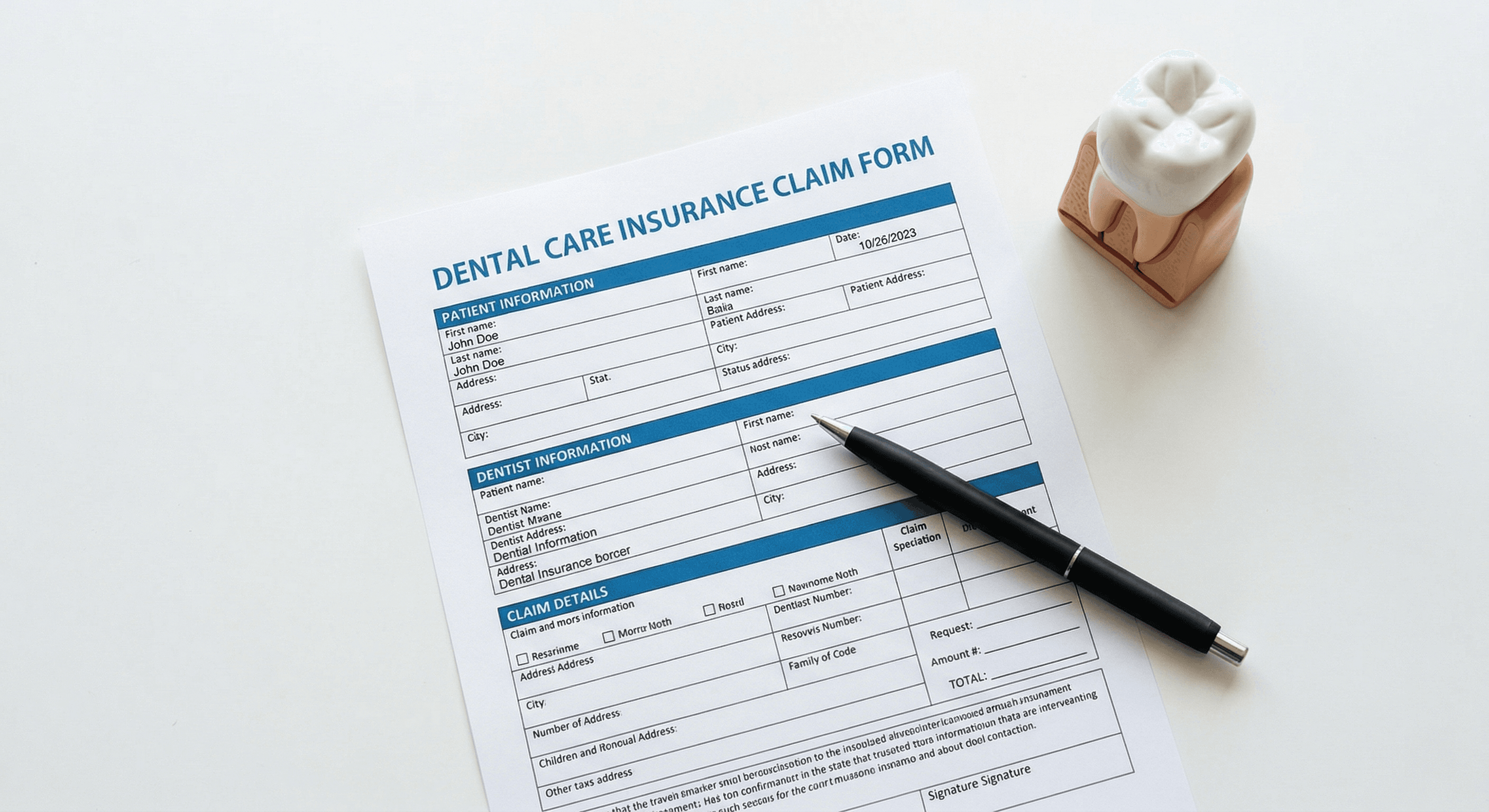
At a Glance
- Dental insurance almost never covers teeth whitening because it is classified as a cosmetic procedure.
- Rare exceptions exist when discoloration is caused by medication, trauma, or a medical condition, but coverage requires documentation and prior authorization.
- FSA and HSA funds generally cannot be used for whitening, since the IRS considers it cosmetic.
- Financing options like CareCredit, Cherry, and Sunbit let you spread the cost of professional whitening into affordable monthly payments.
- Over-the-counter products cost $20 to $50 but deliver limited results compared to professional treatments at $500 to $1,000+.
If you have been thinking about whitening your teeth, one of the first questions that comes to mind is whether your dental insurance will help cover the cost. The short answer: almost certainly not. But there are ways to make professional whitening affordable even without insurance coverage.
Here is a clear breakdown of why insurance does not cover whitening, the rare exceptions, and your best options for getting a brighter smile without breaking the bank.
The Short Answer: No, Insurance Does Not Cover Whitening
Dental insurance plans categorize teeth whitening as a cosmetic procedure. Insurance is designed to cover treatments that are medically necessary to maintain or restore your oral health, such as fillings, crowns, root canals, and cleanings. Since whitening improves the appearance of your teeth rather than treating a disease or condition, it falls outside the scope of what insurance will pay for.
This applies to virtually all types of dental insurance, including employer-sponsored plans, individual plans, PPOs, HMOs, and discount plans. Whether you are considering in-office whitening, custom take-home trays, or any other professional whitening method, you should expect to pay 100% out of pocket.
Why Insurance Excludes Whitening
To understand why whitening is excluded, it helps to know how dental insurance categorizes procedures:
- Preventive (usually 100% covered): Cleanings, exams, X-rays, fluoride treatments, sealants
- Basic (usually 70-80% covered): Fillings, simple extractions, root canals
- Major (usually 50% covered): Crowns, bridges, dentures, implants
- Cosmetic (0% covered): Whitening, veneers (when purely aesthetic), tooth contouring
Whitening sits firmly in the cosmetic category. Even though stained or yellowed teeth can affect your confidence and quality of life, insurance companies do not consider appearance-related concerns a medical necessity.
Are There Any Exceptions?
In rare cases, insurance may partially cover whitening or alternative treatments when tooth discoloration has a medical cause:
- Tetracycline staining. Certain antibiotics taken during childhood can cause deep, permanent discoloration. Some insurance plans will cover veneers or crowns (not whitening itself) to address severe tetracycline staining, classifying it as restorative rather than cosmetic.
- Fluorosis. Excessive fluoride exposure during tooth development can cause white spots or brown staining. In severe cases, treatment may qualify for partial coverage.
- Trauma-related discoloration. If a tooth darkens after an injury, the treatment to restore its appearance may be covered under your plan's restorative benefits.
If any of these apply to you, ask your dentist to document the medical cause and submit a pre-authorization request to your insurance company. Approval is not guaranteed, but it is worth trying.
Can You Use FSA or HSA Funds for Whitening?
Generally, no. The IRS classifies teeth whitening as cosmetic, which makes it ineligible for reimbursement through Flexible Spending Accounts (FSA) or Health Savings Accounts (HSA). This means you cannot use pre-tax dollars to pay for whitening in most situations.
The exception, again, is when whitening or related treatment is deemed medically necessary and your dentist provides documentation to support the claim. Some plan administrators may approve reimbursement on a case-by-case basis, so it is worth checking with your specific FSA or HSA provider if you believe your situation qualifies.

How to Make Whitening Affordable Without Insurance
Just because insurance will not cover whitening does not mean it has to be out of reach. Here are your best options:
Financing Plans
Many dental offices, including MySmile Dental Care, offer third-party financing that lets you split the cost of whitening into manageable monthly payments. Common options include:
- Cherry offers flexible payment plans with no hard credit check
- CareCredit provides promotional periods with 0% interest if paid in full within the promotional window
- Sunbit approves most applicants and offers plans with low monthly payments
- LendingClub offers fixed-rate loans for larger treatment plans
Financing makes professional whitening accessible even if you cannot pay the full amount upfront. A $600 treatment broken into 12 monthly payments is $50 per month, which is comparable to what many people spend on coffee.
At-Home Professional Trays
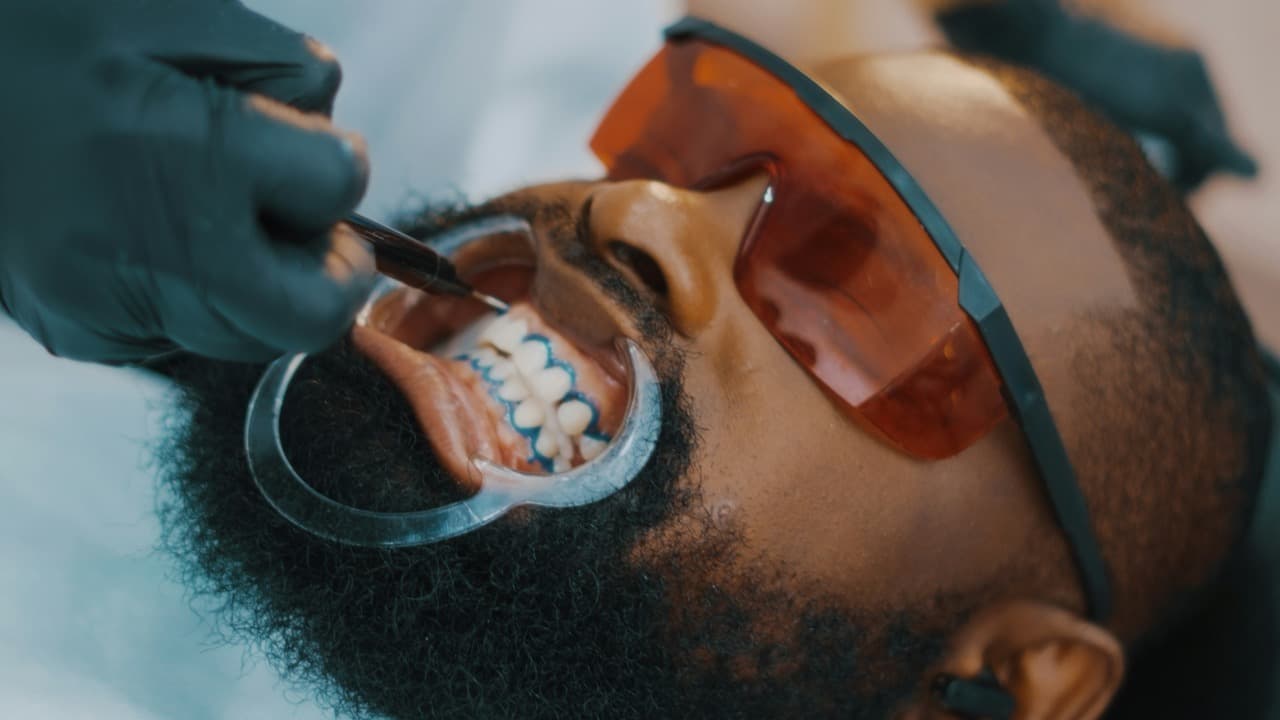
Custom take-home whitening trays from your dentist are less expensive than in-office treatment (typically $300 to $600 compared to $500 to $1,000+ for in-office). Your dentist creates custom-fitted trays and provides professional-grade whitening gel that you use at home over one to two weeks. The results are not as immediate as in-office treatment, but they are significantly better than over-the-counter products.
Over-the-Counter Products
If professional whitening is not in your budget right now, over-the-counter options can provide modest improvement at a lower cost:
- Whitening strips ($20 to $50) contain low-concentration hydrogen peroxide and can lighten teeth by a shade or two over a few weeks
- Whitening toothpaste ($5 to $10) removes surface stains through mild abrasives but will not change the underlying color of your teeth
- Baking soda is a gentle, low-cost abrasive that can help with surface stains when used correctly
Keep in mind that over-the-counter products have lower peroxide concentrations than professional treatments, so results will be more limited. For a detailed look at how hydrogen peroxide works for teeth cleaning, check out our guide.

Cost Comparison: Your Whitening Options
Here is what you can expect to pay for different whitening methods without insurance:
- In-office professional whitening: $500 to $1,000+ per session. Fastest results (one visit, one to two hours).
- Custom take-home trays from your dentist: $300 to $600. Professional-grade results over one to two weeks.
- Over-the-counter whitening strips: $20 to $50 per kit. Modest results over two to four weeks.
- Whitening toothpaste: $5 to $10. Surface stain removal only, no change to tooth color.
The right choice depends on your budget, how quickly you want results, and how much whitening you need. For significant discoloration or fast results, professional treatment delivers the best value per shade of improvement.
Dental Discount Plans: An Alternative to Insurance
If you do not have dental insurance at all, a dental discount plan may be worth considering. These are not insurance policies. Instead, you pay an annual membership fee (typically $100 to $200) and receive discounted rates at participating dentists, often 20% to 50% off standard pricing.
Some discount plans include cosmetic procedures like whitening in their discount schedules, which traditional insurance never does. If you are planning to get whitening along with other dental work, the savings across multiple procedures can more than cover the membership cost.
Is Professional Whitening Worth the Investment?
Even without insurance coverage, professional whitening offers advantages that make it worth considering:
- Dentist supervision ensures the treatment is safe for your specific dental situation
- Higher peroxide concentrations deliver more dramatic results in less time
- Custom-fitted trays distribute the whitening gel evenly and protect your gums
- Longer-lasting results compared to over-the-counter products, especially with proper maintenance
If you are interested in learning more about professional whitening options, visit our teeth whitening page or schedule a consultation with Dr. Bhatia at MySmile Dental Care in Anaheim Hills. We can help you find the right approach for your goals and budget.
Frequently Asked Questions
Why doesn't dental insurance cover teeth whitening?
Dental insurance is designed to cover procedures that are medically necessary for maintaining oral health, such as fillings, cleanings, and X-rays. Teeth whitening is classified as a cosmetic procedure because it improves the appearance of your teeth but is not required to treat or prevent a dental condition. Since it is elective, insurance plans exclude it from coverage.
Can I use my FSA or HSA for teeth whitening?
In most cases, no. The IRS classifies teeth whitening as a cosmetic procedure, which makes it ineligible for FSA and HSA reimbursement. However, if your dentist documents that whitening is medically necessary (for example, to treat discoloration caused by medication or trauma), you may be able to submit a claim. Check with your plan administrator before assuming coverage.
Are there any dental plans that cover whitening?
Some dental discount plans (not traditional insurance) include reduced rates on cosmetic procedures like whitening. These are membership-based programs where you pay an annual fee in exchange for discounted pricing at participating dentists. They are not insurance and do not involve claims or deductibles, but they can lower the out-of-pocket cost of whitening by 20% to 50%.
Is whitening covered if my teeth were stained by medication?
In rare cases, insurance may cover whitening or alternative cosmetic treatments if discoloration resulted from a medical condition or medication (such as tetracycline staining). This typically requires documentation from your dentist and prior authorization from your insurance company. Coverage is not guaranteed, but it is worth submitting the claim if your staining has a medical cause.
What is the cheapest way to whiten my teeth?
The most affordable option is over-the-counter whitening strips or whitening toothpaste, which cost between $20 and $50. For better results, take-home trays from your dentist typically range from $300 to $600. In-office professional whitening costs more upfront ($500 to $1,000+) but delivers the fastest and most dramatic results. Many dental offices also offer financing plans that let you spread the cost over several months with low or no interest.
Does dental insurance cover veneers instead of whitening?
Veneers are also classified as cosmetic, so dental insurance typically does not cover them either. Like whitening, veneers improve appearance rather than treat a medical condition. The exception would be if a veneer is needed to restore a damaged tooth, in which case insurance may cover part of the cost as a restorative procedure rather than a cosmetic one.
Disclaimer
This article is for informational purposes only and does not constitute dental or medical advice. It is not a substitute for professional dental care, diagnosis, or treatment. Always consult your dentist or other qualified health care provider with any questions you may have about a dental condition or treatment. Reading this content does not establish a patient-provider relationship with MySmile Dental Care.
Affordable Whitening Options Available
Don't let cost hold you back from a brighter smile. MySmile Dental Care offers professional whitening with flexible financing through Cherry, CareCredit, Sunbit, and LendingClub. Dr. Bhatia can recommend the best whitening approach for your budget and goals.