
 Emily Carter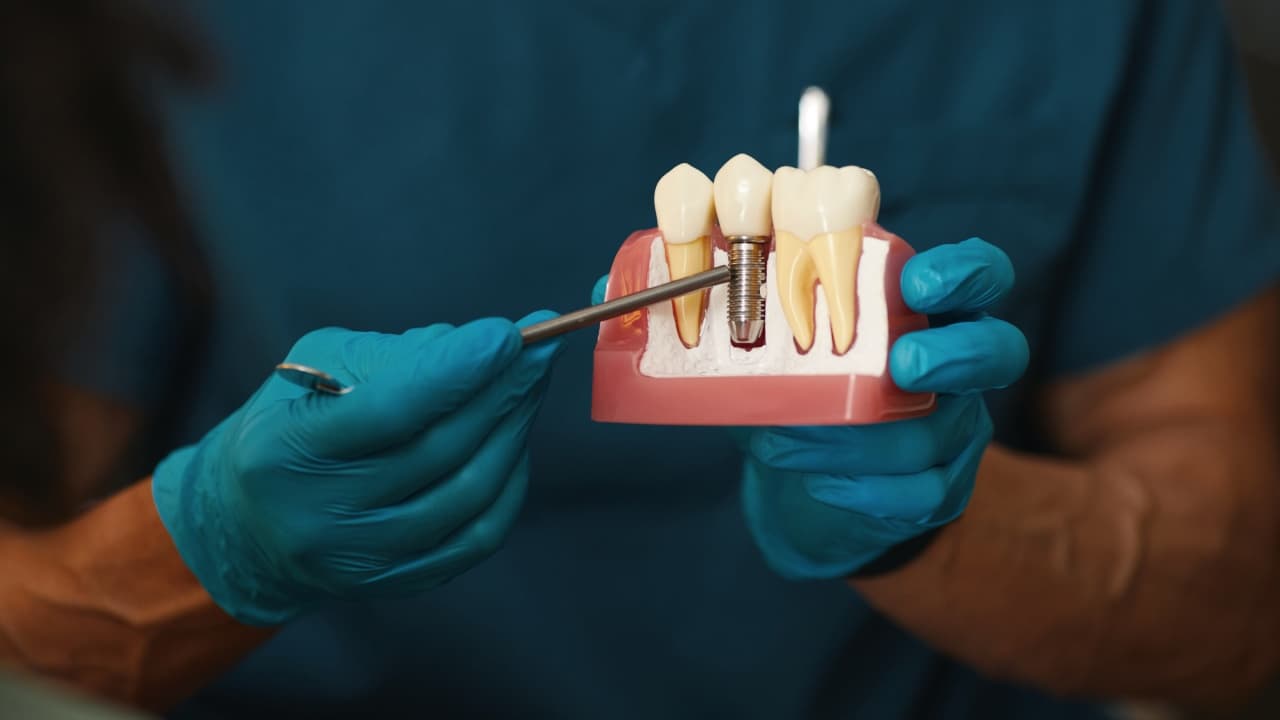
At a Glance
- The titanium implant post lasts 20 to 30 years on average and often a lifetime. 95 percent of implants are still functioning at 10 years.
- The crown attached on top has a shorter lifespan of 10 to 15 years, similar to any other dental crown.
- Smoking roughly doubles the failure rate. Untreated grinding, gum disease, and uncontrolled diabetes also shorten implant life.
- Peri-implantitis (gum disease around the implant) is the most common cause of late implant failure.
- Warning signs of a failing implant: persistent pain, looseness, gum swelling or recession, or a metallic taste. Call your dentist immediately if you notice any of these.
Dental implants are designed to be a permanent solution for missing teeth, and for the most part they live up to that promise. The titanium post that integrates with your jawbone typically lasts 20 to 30 years and often a lifetime. The crown attached on top has a shorter lifespan and will almost always need replacement at some point, similar to any other dental crown.
Here is a clear breakdown of how long each component lasts, what affects implant longevity, the warning signs of a failing implant, and what you can do to make yours last as long as possible.
Two Parts, Two Lifespans: The Implant vs the Crown
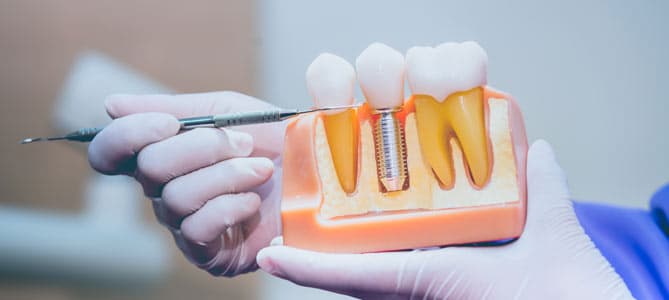
A dental implant is actually three separate components, each with its own lifespan:
- The implant post is a titanium screw that fuses with the jawbone. Lifespan: 20 to 30+ years, often a lifetime.
- The abutment is a small connector that attaches the crown to the post. Lifespan: 15 to 20 years, often replaced when the crown is replaced.
- The crown is the visible tooth that attaches on top. Lifespan: 10 to 15 years, similar to a regular dental crown.
When people talk about an implant lasting a lifetime, they usually mean the post. The crown will almost certainly need replacement during a normal adult lifespan, but that is a relatively simple and much cheaper procedure than replacing the entire implant.
What the Long-Term Data Shows
Decades of clinical research on dental implants give us reliable survival rate numbers:
- 5 years: 97 to 98 percent of implants still functioning
- 10 years: 90 to 95 percent still functioning
- 15 years: 85 to 90 percent still functioning
- 20 years: 80 to 90 percent still functioning
These rates are higher than most other dental restorations. For comparison, a traditional 3-unit dental bridge has a 10-year survival rate of about 75 to 85 percent, and root canal-treated teeth without crowns sit around 70 to 80 percent. Implants are the most predictable long-term tooth replacement option available.
Survival rates are slightly higher for lower jaw implants than upper jaw, and slightly higher for non-smokers than smokers. The single biggest variable in your personal lifespan is what you do (or do not) with the implant after it heals.
What Affects How Long Your Implant Lasts
Oral Hygiene Around the Implant
Implants do not get cavities, but they can absolutely get gum disease. Peri-implantitis is the implant equivalent of periodontal disease, and it is the single biggest cause of implant failure after the first year. Brushing twice a day, daily flossing (special floss designed for implants helps), and a water flosser around the implant site dramatically lower your risk.
Smoking
Smoking roughly doubles the implant failure rate. Nicotine constricts blood vessels and slows healing, which affects both initial osseointegration and long-term bone support. Smokers have a 10-year implant survival rate closer to 85 percent versus 95 percent for non-smokers. Quitting (or at least cutting back) before and after implant placement makes a real difference.
Teeth Grinding (Bruxism)
Unlike natural teeth, implants do not have the small shock-absorbing ligament between the tooth root and bone. This means grinding forces transfer directly to the implant and surrounding bone. Heavy grinders are more likely to fracture the crown, abutment screw, or the implant itself. A custom night guard is essential if you grind.
General Health Conditions
Several health factors affect implant longevity:
- Uncontrolled diabetes slows healing and increases infection risk
- Osteoporosis medications (bisphosphonates) can affect bone healing around implants
- Immunosuppressants and chemotherapy slow tissue healing
- Untreated gum disease at the time of placement raises long-term failure risk
None of these are absolute contraindications, but they should be discussed openly with your dentist before implant placement.
Position in the Mouth
Back tooth implants endure 3 to 4 times more bite force than front tooth implants. As a result, crowns on molar implants may wear out slightly faster than crowns on front tooth implants. Front tooth implants have a different lifespan concern: cosmetic appearance. If your gums recede over time and expose the gray metal post, the crown may need replacement for aesthetic reasons even if it is still functional.
Placement Skill
The quality of the initial placement matters a lot. A well-placed implant with adequate bone, the right angle, and proper depth has far better long-term odds than one placed in compromised bone or at a poor angle. Choosing an experienced implant dentist is one of the most important decisions you make.
Warning Signs Your Implant Is Failing
Healthy implants are silent. Any of these symptoms means you should call your dentist promptly:
- Persistent pain or discomfort. Implants should not hurt after the initial healing period. Pain weeks, months, or years later signals something is wrong.
- Looseness. A wiggling crown is often just a loose screw underneath and is fixable. A wiggling implant post itself is serious and usually means the implant is failing.
- Swelling or redness in the gum around the implant, especially with bleeding when brushing.
- Gum recession exposing the metal post or abutment.
- A bad taste or smell that does not go away with rinsing.
- Difficulty chewing or a feeling that your bite has changed.
- Visible bone loss on dental X-rays, which your dentist monitors at routine checkups.
Early intervention can often save a failing implant. Peri-implantitis caught early is treatable. Caught late, it usually means losing the implant.
When and How Implants Get Replaced
If the crown on top wears out (the most common scenario after 10 to 15 years), the dentist removes the old crown and attaches a new one to the existing implant. This is straightforward and runs $800 to $2,500 depending on the material.
If the implant itself fails, the process is more involved:
- The failed implant is removed (usually a simple procedure).
- The bone is allowed to heal for 3 to 6 months. Bone grafting may be needed if there is bone loss.
- A new implant is placed in the healed site.
- After another 3 to 6 months of osseointegration, the new crown is attached.
Most reputable dentists offer some warranty coverage if an implant fails within a specified period. Ask about the warranty before you commit. See our pricing for dental implants cost in Anaheim Hills for typical replacement costs.
Are Dental Implants Covered by a Warranty?
Most implant systems come with warranties from three different parties:
- Implant manufacturer warranty: Most major brands (Straumann, Nobel Biocare, Zimmer, etc.) offer a lifetime warranty on the implant post if it fails due to a manufacturing defect.
- Dentist's placement warranty: Typically 1 to 5 years. Coverage usually requires that you stay current on recommended cleanings and exams.
- Crown warranty: Usually 5 to 10 years on the crown material itself.
Warranties usually cover material defects and unexpected failures. They typically do not cover failures from smoking, untreated grinding without a night guard, poor oral hygiene, or untreated medical conditions. Read the warranty terms before treatment so you know exactly what is covered.
How to Make Your Implant Last Decades
Implants reward consistent care. Here is the practical playbook:
- Brush twice a day with a soft-bristled toothbrush and non-abrasive toothpaste.
- Floss daily. Use implant-specific floss (smooth on one side, fluffy on the other) or a water flosser around the implant site.
- See your dentist every 6 months for a cleaning and exam. Implants need professional cleaning just like natural teeth, and your dentist will take periodic X-rays to monitor bone levels.
- Do not smoke. If you do, ask about a smoking cessation plan before implant placement.
- Wear a night guard if you grind. The cost of a custom guard ($300 to $700) is small insurance against an implant fracture ($2,000+ to repair or replace).
- Avoid chewing extremely hard objects. Ice, hard candy, pen caps, fingernails — these can crack the crown on an implant just like they crack natural teeth.
- Control diabetes and other health conditions that affect healing and gum health.
- Tell your dentist about new medications. Some medications affect bone metabolism around implants.
How Implant Lifespan Compares to Other Tooth Replacements
If you are weighing options, here is how the lifespan of implants compares to alternatives:
- Dental implant: 20 to 30+ years for the post, 10 to 15 for the crown
- Fixed dental bridge: 10 to 15 years, with most needing replacement around year 10
- Removable partial denture: 5 to 10 years typically
- Full denture: 5 to 10 years before reline or replacement
Implants are the most expensive option upfront but the most cost-effective per year of service. A $4,000 implant that lasts 30 years comes out to about $133 per year. A $3,000 bridge that lasts 12 years and needs replacement is closer to $250 per year, and that does not count the impact on the supporting teeth that need to be ground down for the bridge.
If you are considering full arch replacement, see our guide on All-on-4 dental implants for how the lifespan numbers compare for that specific treatment.
A Note on Cost
If you are weighing the lifespan numbers against the price tag, see our complete dental implants cost guide for Anaheim Hills for typical pricing, what insurance covers, and financing options. For patients comparing the upfront cost, our affordable dental implants page breaks down $0 down financing options.
The Bottom Line
A well-placed and well-maintained dental implant has an excellent chance of lasting your lifetime. The titanium post commonly lasts 20 to 30 years or more, and modern survival data shows 90 to 95 percent of implants are still working at 10 years. The crown on top is the part most likely to need eventual replacement, typically every 10 to 15 years.
The variables that most affect your personal lifespan are within your control: good oral hygiene, no smoking, professional cleanings every six months, and a night guard if you grind. Watch for warning signs (persistent pain, looseness, gum changes) and address them early. At MySmile Dental Care in Anaheim Hills, Dr. Bhatia has placed hundreds of implants and provides full treatment from consultation through restoration, including lifetime manufacturer warranty support and ongoing maintenance plans.
Frequently Asked Questions
How long do dental implants really last?
The titanium implant post itself lasts 20 to 30 years on average and often a lifetime when placed correctly and maintained well. The crown attached on top has a shorter lifespan of 10 to 15 years, similar to any other dental crown. Studies show 90 to 95 percent of dental implants are still functioning at 10 years and 80 to 90 percent at 20 years.
Do dental implants last forever?
The implant post can last a lifetime, but no dental work is truly permanent. The crown will almost certainly need replacement at some point, usually after 10 to 15 years. The implant itself fails in 5 to 10 percent of cases over a 20-year period, most often due to peri-implantitis (gum disease around the implant) or excessive force from grinding.
What is the most common cause of implant failure?
Peri-implantitis, a gum disease around the implant caused by bacteria, is the most common cause of late implant failure. The second is excessive bite force from teeth grinding (bruxism) without a night guard. Early failures within the first six months are usually caused by failed osseointegration, where the implant did not fuse properly with the jawbone.
Will my implant ever need to be replaced?
The crown on top of the implant almost certainly will, usually every 10 to 15 years. The implant post itself rarely needs replacement if it stays healthy. If you do need a new implant, the procedure usually requires removing the old one, allowing the bone to heal for several months, and then placing a new implant. Bone grafting may be needed.
Do implants come with a warranty?
Many implant manufacturers offer a lifetime warranty on the implant itself if it fails due to a manufacturing defect. Most dentists also offer their own warranty on the placement, typically 1 to 5 years. The crown on top is usually warrantied separately for 5 to 10 years. Warranties typically require staying current on cleanings and exams.
What can shorten the life of a dental implant?
Smoking is the single biggest controllable risk factor and roughly doubles the failure rate. Other things that shorten implant life: poor oral hygiene around the implant, uncontrolled diabetes, untreated teeth grinding, gum disease, certain medications (bisphosphonates, immunosuppressants), and chewing on extremely hard objects like ice or pen caps.
How do I make my dental implant last as long as possible?
Brush twice a day with a soft brush, floss daily (special implant floss helps), use a water flosser around the implant, see your dentist every 6 months for cleanings and exams, do not smoke, wear a night guard if you grind, and avoid chewing extremely hard objects. Your dentist will take periodic X-rays to monitor bone levels around the implant.
Do front tooth implants last as long as back tooth implants?
The implant post itself lasts about the same length of time in any position. Back teeth (molars) absorb 3 to 4 times more bite force than front teeth, so the crown on a back tooth implant may wear out slightly faster. Front tooth implants face cosmetic concerns first, such as gum recession exposing the metal post, which can require crown replacement for appearance reasons.
Disclaimer
This article is for informational purposes only and does not constitute dental or medical advice. It is not a substitute for professional dental care, diagnosis, or treatment. Always consult your dentist or other qualified health care provider with any questions you may have about a dental condition or treatment. Reading this content does not establish a patient-provider relationship with MySmile Dental Care.
Thinking About Dental Implants in Anaheim Hills?
Dr. Bhatia has placed hundreds of implants and provides full implant treatment from consultation through final crown. We use leading implant systems with lifetime manufacturer warranties and offer financing through Cherry, CareCredit, and Sunbit. Book a consultation for an evaluation, 3D imaging, and an exact treatment plan.