
 Emily Carter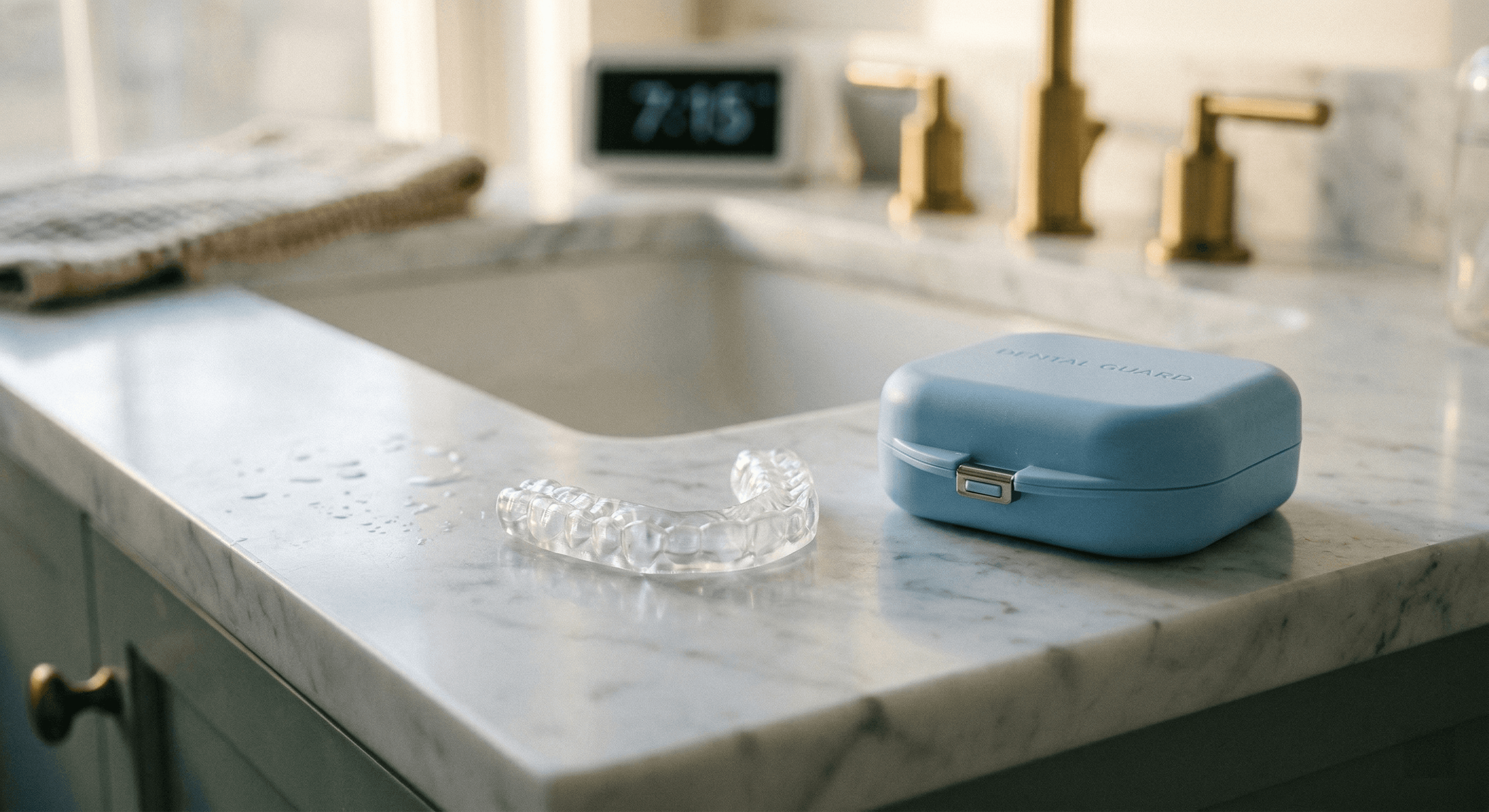
At a Glance
- Teeth grinding (bruxism) affects roughly 10% of adults and can cause jaw pain, headaches, worn teeth, and cracked enamel if left untreated.
- Stress, anxiety, sleep disorders, misaligned teeth, and certain medications are the most common causes.
- A custom night guard from your dentist is the most effective way to protect your teeth while you work on reducing the underlying cause.
- Jaw exercises, stress management, caffeine reduction, and sleep position changes can all help reduce grinding over time.
- If you grind your teeth and also snore or feel unrested, ask about a sleep apnea evaluation, as the two conditions are closely linked.
You wake up with a sore jaw, a dull headache around your temples, and teeth that feel strangely tender. Or maybe your partner has been complaining about a loud grinding sound coming from your side of the bed. Either way, the culprit is likely bruxism, the medical term for involuntary teeth grinding and clenching.
Nighttime teeth grinding is surprisingly common, affecting roughly 10% of adults and up to 15% of children. Many people do it for years without realizing it. The problem is that chronic grinding does not just disrupt your sleep. It can wear down enamel, crack teeth, trigger TMJ disorders, and lead to chronic pain that affects your daily life.
The good news is that bruxism is treatable. Here is what causes it, how to recognize it, and the most effective ways to stop it.
What Is Bruxism?
Bruxism is the involuntary grinding, clenching, or gnashing of teeth. It falls into two categories:
- Awake bruxism happens during the day, usually as unconscious clenching when you are concentrating, stressed, or tense. You might notice your jaw tightening during work, while driving, or during stressful conversations.
- Sleep bruxism happens at night and is considered a sleep-related movement disorder. Because it occurs while you are unconscious, most people do not know they are doing it until symptoms appear or a partner points it out.
Sleep bruxism tends to cause more damage because the forces involved are uncontrolled. During normal chewing, your bite force is around 20 to 40 pounds. During sleep grinding, that force can exceed 250 pounds, enough to crack a walnut and more than enough to crack a tooth.
Why Do You Grind Your Teeth at Night?
There is rarely a single cause. Bruxism usually results from a combination of factors:
Stress and Anxiety
This is the most commonly cited trigger. Emotional stress activates your sympathetic nervous system (the fight-or-flight response), which increases muscle tension throughout your body, including your jaw muscles. People under significant work pressure, going through major life changes, or dealing with anxiety disorders are more likely to grind.
Sleep Disorders
Research has established a strong link between bruxism and obstructive sleep apnea. Some researchers believe grinding is the body's attempt to reopen a partially blocked airway during sleep. If you grind your teeth and also snore loudly, wake up gasping, or feel exhausted despite sleeping a full night, a sleep study may be warranted.
Misaligned Bite or Missing Teeth
When your upper and lower teeth do not fit together properly (malocclusion), your jaw may unconsciously shift and grind as it searches for a comfortable resting position. Missing teeth can create similar instability.
Medications and Substances
Certain medications are known to increase bruxism risk, including some SSRIs (antidepressants like sertraline and fluoxetine), stimulants used for ADHD, and antipsychotics. Heavy caffeine intake, alcohol consumption (especially before bed), tobacco use, and recreational stimulants are also common triggers.
Lifestyle Factors
Chewing gum excessively, biting on pens or pencils, and holding your phone between your shoulder and ear can all train your jaw muscles to stay tense, contributing to nighttime clenching.
Signs You Are Grinding Your Teeth
Because sleep bruxism happens unconsciously, many people grind for months or years before they realize it. Watch for these warning signs:
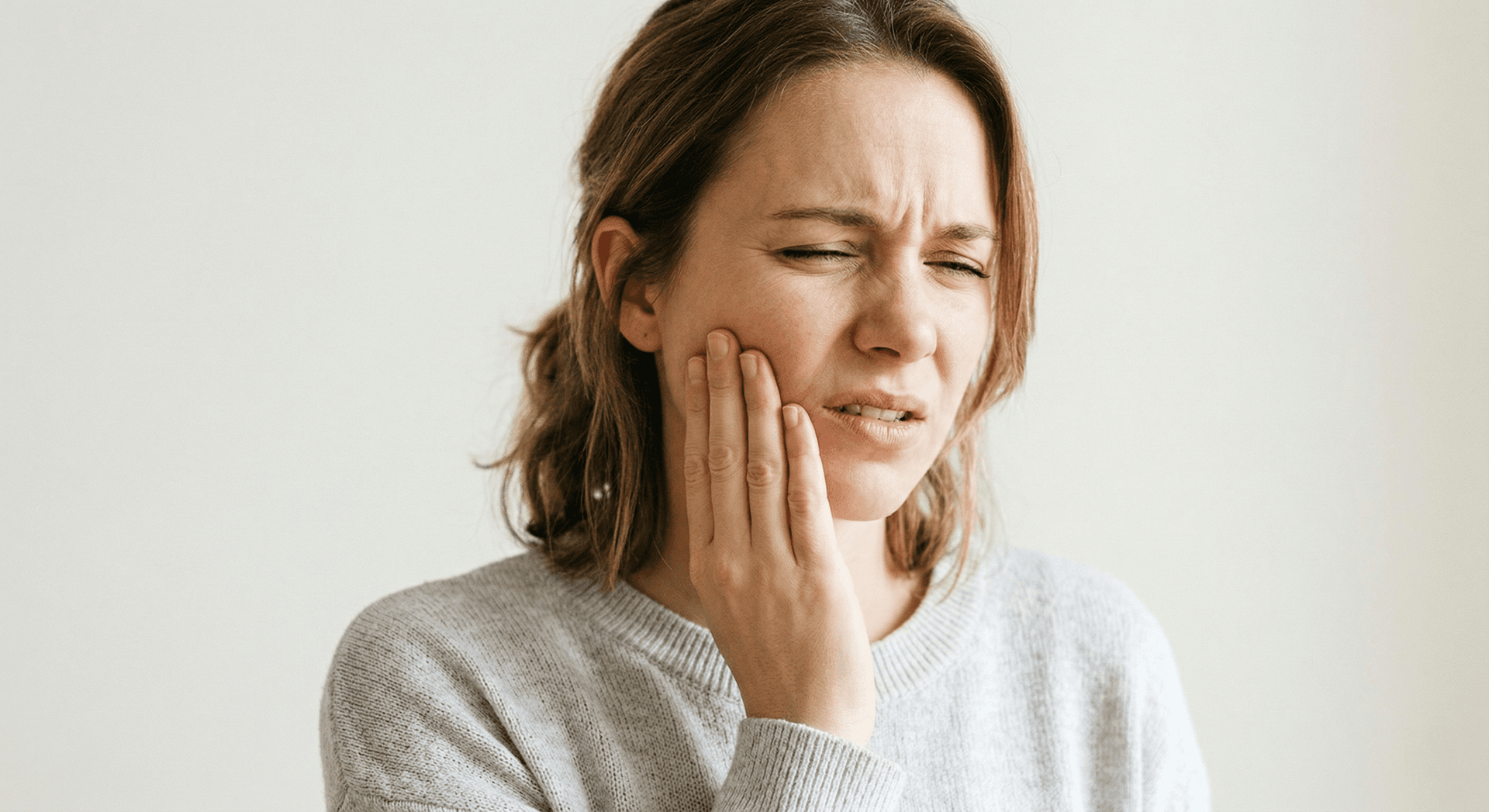
- Jaw pain or stiffness upon waking. Your masseter muscles (the large muscles on the sides of your jaw) feel sore or tight, especially in the morning.
- Morning headaches. Grinding-related headaches typically radiate from the temples, since the temporalis muscles that run along the sides of your head are heavily involved in clenching.
- Worn, flattened, or chipped teeth. Your dentist may notice that your teeth have lost their natural ridges and cusps, or that the biting surfaces look unusually flat or smooth.
- Tooth sensitivity. Grinding wears away enamel, exposing the more sensitive dentin layer underneath. If you are experiencing new tooth sensitivity without an obvious cause, bruxism could be the reason.
- Earaches or ringing in the ears. The TMJ (jaw joint) sits directly in front of your ear canal. Inflammation from grinding can cause referred pain that feels like an ear infection.
- Cheek biting. Waking up with bite marks or sores on the inside of your cheeks is a common sign of nighttime clenching.
- Grinding sounds. A bed partner who reports hearing grinding, squeaking, or clicking from your jaw at night is one of the most reliable indicators.
If multiple signs sound familiar, bring them up at your next dental checkup. Your dentist can examine your teeth and jaw for wear patterns that confirm bruxism.
How to Stop Grinding Your Teeth: Treatment Options
1. Custom Night Guard (Occlusal Splint)
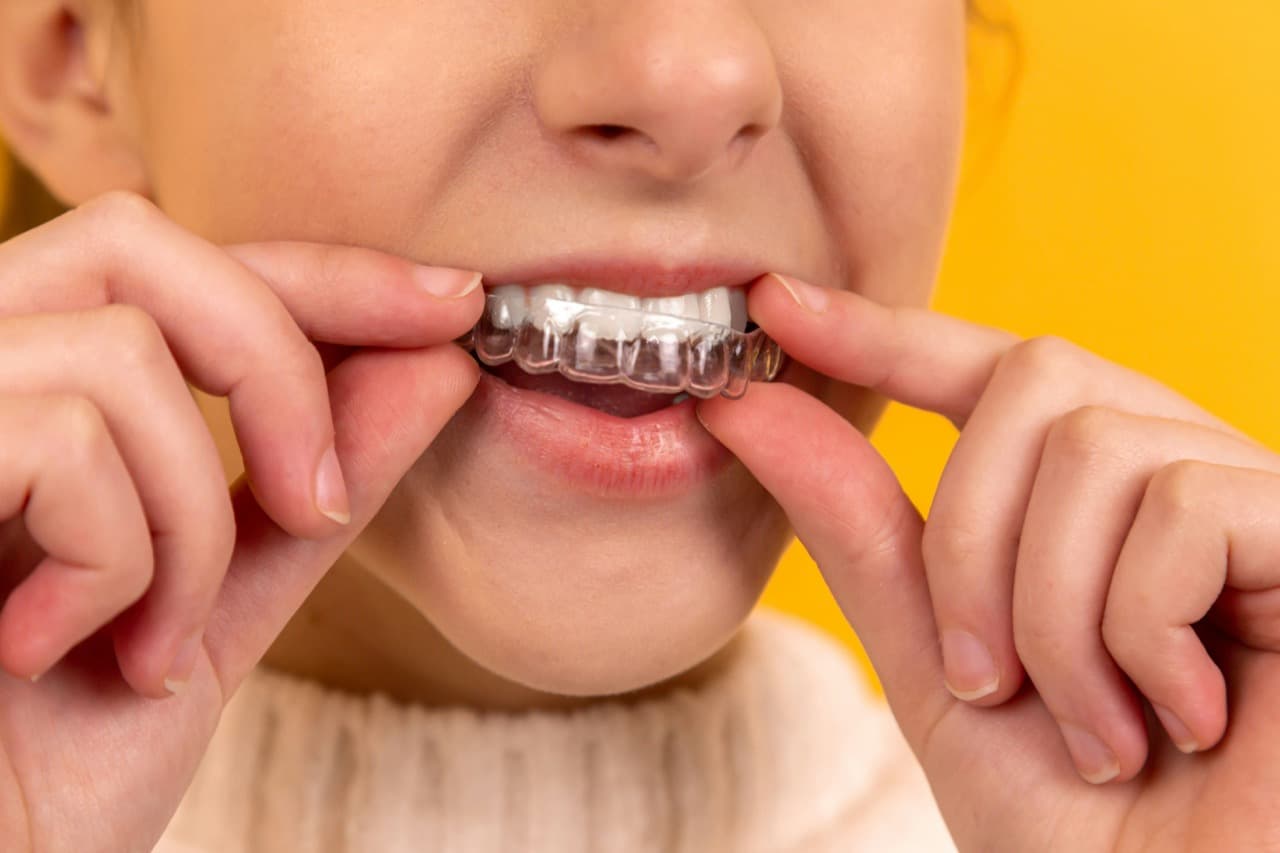
A custom night guard is the most common and effective first-line treatment for sleep bruxism. It is a thin, durable appliance made from impressions of your teeth that you wear over your upper or lower teeth while you sleep.
The guard does not stop you from grinding. What it does is create a protective barrier between your upper and lower teeth so that the grinding force is absorbed by the appliance instead of your enamel. A well-made night guard also positions your jaw in a slightly relaxed posture, which can reduce the intensity of clenching.
Custom guards from your dentist are far superior to over-the-counter boil-and-bite options. They fit precisely, stay in place, last longer, and distribute force more evenly. Over-the-counter guards can actually make things worse if they do not fit properly, since your jaw may grind harder trying to find a comfortable position around a poorly fitting appliance. For a full comparison, see our guide to mouthguard types.
2. Stress Management
Since stress is the number one driver of bruxism, addressing it directly can significantly reduce grinding. Effective approaches include:
- Regular exercise. Even 30 minutes of moderate activity per day lowers overall muscle tension and improves sleep quality.
- Cognitive behavioral therapy (CBT). CBT is particularly effective for bruxism because it helps you identify and change the thought patterns and behaviors that drive stress and tension.
- Relaxation techniques. Progressive muscle relaxation, deep breathing exercises, and meditation before bed can help your jaw muscles release tension before sleep.
- Sleep hygiene. Keeping a consistent sleep schedule, avoiding screens before bed, and creating a cool, dark sleep environment can reduce sleep disturbances that trigger grinding episodes.
3. Jaw Exercises and Physical Therapy
Specific exercises can help retrain your jaw muscles to relax rather than clench. Try these daily:
- Controlled opening. Place the tip of your tongue on the roof of your mouth and slowly open your jaw as wide as you can while keeping your tongue in place. Hold for 5 seconds, close slowly. Repeat 10 times.
- Resistance exercises. Place your thumb under your chin and gently push upward while slowly opening your mouth against the resistance. Hold for 5 seconds, then relax. Repeat 5 times.
- Jaw stretching. Open your mouth wide, then slowly move your lower jaw to the left and hold for 5 seconds. Return to center, then move to the right and hold. Repeat 5 times per side.
- Masseter massage. Using your fingertips, apply firm circular pressure to the masseter muscles (the muscles you can feel bulge when you clench your jaw). Massage for 30 seconds on each side, especially before bed.
For severe cases, a physical therapist who specializes in temporomandibular disorders can design a targeted treatment program that includes manual therapy, ultrasound, and specific exercises.
4. Lifestyle Changes
Several simple adjustments can reduce the frequency and intensity of grinding:
- Cut back on caffeine, especially in the afternoon and evening. Caffeine increases muscle tension and disrupts deep sleep, both of which contribute to bruxism.
- Limit alcohol before bed. While alcohol may help you fall asleep, it disrupts sleep architecture and increases grinding during the second half of the night.
- Stop chewing gum. Habitual gum chewing keeps your jaw muscles in a state of constant activity, which can carry over into nighttime clenching.
- Practice lip-apart, teeth-apart posture. During the day, make a conscious effort to keep your lips together but your teeth slightly apart with your tongue resting on the roof of your mouth. This is the natural resting position for your jaw and helps break the clenching habit.
- Avoid sleeping on your stomach. Stomach sleeping puts lateral pressure on your jaw. Side or back sleeping allows your jaw to rest more naturally.
5. Address Underlying Sleep Disorders
If your bruxism is linked to sleep apnea, treating the sleep disorder often reduces or eliminates the grinding. Treatment options for sleep apnea include custom oral appliances that reposition the lower jaw to keep the airway open, CPAP therapy, and in some cases, surgical intervention.
Your dentist can screen for sleep apnea risk factors and refer you for a sleep study if warranted. At MySmile Dental Care, Dr. Bhatia offers custom oral appliances for both bruxism and obstructive sleep apnea.
6. Botox for Bruxism
For severe cases that do not respond to other treatments, botulinum toxin (Botox) injections into the masseter muscles can reduce the force of clenching. Botox partially relaxes the muscle, preventing it from contracting with full force during sleep.
This is typically considered a last resort after other options have been tried. The effects last three to four months per treatment, and long-term use can cause the masseter muscles to shrink, which may affect facial appearance. Discuss the risks and benefits with your dentist or a specialist before pursuing this option.
What Happens If You Do Not Treat Bruxism?
Ignoring teeth grinding does not make it go away, and the damage accumulates over time:
- Enamel erosion. The protective outer layer of your teeth wears down, exposing the softer dentin and making teeth more vulnerable to decay and sensitivity.
- Cracked or fractured teeth. The extreme forces of nighttime grinding can crack teeth, break fillings, and damage dental crowns. Severe fractures may require extraction.
- TMJ disorders. Chronic grinding puts enormous strain on the temporomandibular joint, leading to clicking, popping, locking, and chronic pain that can radiate to the neck and shoulders.
- Gum recession. The lateral forces of grinding can push teeth slightly out of alignment and stress the gum tissue, contributing to recession over time.
- Chronic headaches and facial pain. Many patients treated for recurring tension headaches discover that bruxism was the underlying cause all along.
The cost of treating grinding damage (crowns, root canals, implants) far exceeds the cost of a preventive night guard. If you suspect you are grinding, getting evaluated sooner rather than later can save you significant pain and expense.
Do Children Grind Their Teeth?
Yes. Bruxism is quite common in children, particularly between the ages of 3 and 6 when baby teeth are erupting, and again around ages 9 to 12 during the transition to permanent teeth. Most children outgrow it naturally.
However, if your child complains of jaw pain, has visible tooth wear, or grinds loudly enough to wake you up, it is worth mentioning at their next pediatric dental visit. In rare cases, a child may need a night guard or further evaluation for sleep-disordered breathing.
When to See a Dentist
Schedule an appointment if you experience any of the following:
- Persistent jaw pain or stiffness that lasts more than a week
- Visible wear, flattening, or chipping on your teeth
- New or worsening tooth sensitivity
- Morning headaches that do not respond to typical treatment
- A partner reports hearing you grind at night
- Difficulty opening or closing your mouth fully
- Clicking or popping in your jaw joint that is accompanied by pain
Your dentist can confirm whether bruxism is present by examining your teeth for wear patterns, checking your jaw joints and muscles, and reviewing your symptoms. From there, they will recommend the right combination of treatments based on the severity of your case.
At MySmile Dental Care in Anaheim Hills, Dr. Bhatia provides comprehensive bruxism evaluations, custom night guards, and sports guard fittings to protect your teeth around the clock. If sleep apnea is a concern, she can also fit you with a custom oral appliance designed to keep your airway open while you sleep.
Frequently Asked Questions
How do I know if I grind my teeth at night?
Common signs include waking up with jaw pain or stiffness, morning headaches (especially around the temples), worn or flattened tooth surfaces, tooth sensitivity without an obvious cause, and a partner who hears grinding or clenching sounds while you sleep. Your dentist can also spot wear patterns during a routine exam.
Can teeth grinding go away on its own?
In some cases, yes. Bruxism caused by temporary stress, a new medication, or a lifestyle factor like heavy caffeine use may resolve once the trigger is removed. However, chronic bruxism rarely stops on its own and typically requires intervention such as a night guard, stress management, or treatment of an underlying sleep disorder.
What is the best night guard for teeth grinding?
A custom-fitted night guard from your dentist is the best option. It is made from impressions of your teeth, so it fits precisely, stays in place, and distributes bite force evenly. Over-the-counter boil-and-bite guards are an affordable alternative but tend to be bulkier, less comfortable, and less durable. They can also shift your bite if they do not fit well.
Does stress cause teeth grinding?
Yes. Stress and anxiety are among the most common causes of bruxism, particularly daytime clenching. Studies show that people under high emotional stress are significantly more likely to grind their teeth. Managing stress through exercise, therapy, meditation, or lifestyle changes can reduce grinding frequency and intensity.
Can teeth grinding cause permanent damage?
Yes, if left untreated. Chronic grinding can wear down enamel to the point where the softer dentin underneath is exposed, leading to sensitivity, cavities, and cracked or fractured teeth. It can also cause TMJ disorders, chronic jaw pain, and recession of the gums. The damage is cumulative, so early treatment is important.
Is teeth grinding related to sleep apnea?
Research suggests a strong connection. Many people with obstructive sleep apnea also grind their teeth, and some researchers believe grinding is the body's response to airway obstruction during sleep. If you grind your teeth and also snore heavily, wake up gasping, or feel unrested despite a full night of sleep, ask your dentist or doctor about a sleep apnea evaluation.
Do children grind their teeth at night?
Yes, bruxism is common in children, especially during the mixed-dentition stage when baby teeth and permanent teeth overlap. Most children outgrow it by the time their permanent teeth fully emerge. However, if grinding is causing tooth wear, jaw pain, or sleep disruption, a pediatric dental evaluation is recommended.
Disclaimer
This article is for informational purposes only and does not constitute dental or medical advice. It is not a substitute for professional dental care, diagnosis, or treatment. Always consult your dentist or other qualified health care provider with any questions you may have about a dental condition or treatment. Reading this content does not establish a patient-provider relationship with MySmile Dental Care.
Protect Your Teeth While You Sleep
A custom night guard from MySmile Dental Care is designed from impressions of your teeth for a precise, comfortable fit that prevents grinding damage. Dr. Bhatia can evaluate your bite, check for signs of wear, and recommend the right treatment plan for your situation.