
 Emily Carter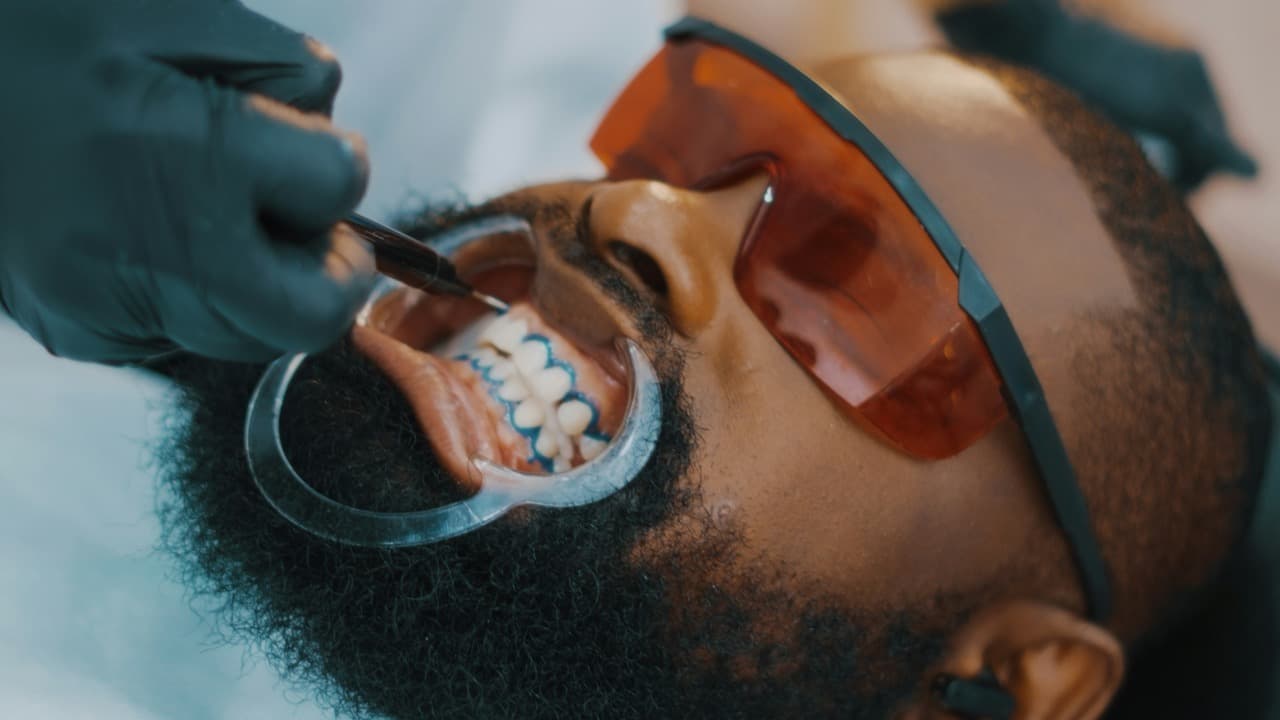
At a Glance
- In-office professional whitening costs $400 to $1,000 per session and delivers the fastest, most dramatic results (up to eight shades lighter).
- Take-home custom trays from your dentist cost $250 to $500 and provide professional-grade results over one to two weeks.
- Over-the-counter strips cost $20 to $60 and can lighten teeth by one to three shades, making them the best budget option for mild staining.
- Dental insurance almost never covers whitening because it is cosmetic, but financing options like Cherry and CareCredit can make professional treatment affordable.
- The best value depends on your staining severity: mild surface stains respond well to affordable OTC products, while deeper discoloration needs professional treatment.
Teeth whitening is one of the most popular cosmetic dental treatments, but the cost varies wildly depending on which method you choose. You can spend as little as $5 on whitening toothpaste or over $1,000 on a professional in-office treatment. The right choice depends on the type and severity of your staining, how fast you want results, and what fits your budget.
Here is a complete breakdown of teeth whitening costs by treatment type, what affects pricing, and how to decide which option gives you the best value.
In-Office Professional Whitening: $400 to $1,000+
In-office whitening is the most expensive option, but it delivers the fastest and most dramatic results. Your dentist applies a high-concentration hydrogen peroxide or carbamide peroxide gel (typically 25% to 40%) directly to your teeth, often activated by a special light or laser. The entire procedure takes about 60 to 90 minutes, and you walk out with teeth that are up to eight shades lighter.
What is included in the cost:
- Pre-treatment exam to check for cavities, gum disease, or other issues that need to be addressed first
- Professional-grade whitening gel at concentrations not available over the counter
- Gum protection barriers to prevent irritation
- Dentist supervision throughout the procedure
- Some practices include a take-home touch-up kit
Popular in-office systems like Zoom, BriteSmile, and KoR Deep Bleaching tend to be at the higher end of the price range ($600 to $1,000+). KoR is particularly effective for deep, intrinsic stains like tetracycline discoloration that other methods struggle with.
Results from in-office whitening typically last one to three years, depending on your diet, smoking habits, and oral hygiene routine. Many patients extend their results with periodic touch-ups using custom take-home trays.

Take-Home Custom Trays from Your Dentist: $250 to $500
Take-home trays offer a middle ground between the convenience of over-the-counter products and the effectiveness of professional treatment. Your dentist takes impressions of your teeth and creates custom-fitted trays that hold the whitening gel snugly against your enamel for even, consistent coverage.
The whitening gel provided with custom trays is stronger than what you can buy in stores (typically 10% to 22% carbamide peroxide or 6% to 10% hydrogen peroxide) but lower than the concentrations used in-office. Most treatment plans involve wearing the trays for 30 minutes to several hours per day over one to two weeks.
Why custom trays cost more than store-bought kits:
- The trays are molded to your exact bite, preventing gel from leaking onto your gums and causing irritation
- Better gel-to-tooth contact means more even whitening with fewer missed spots
- Your dentist selects the right gel concentration based on your sensitivity and staining level
- You can reuse the trays indefinitely for future touch-ups (you only need to buy refill gel for $20 to $50 per syringe)
For many patients, custom trays offer the best long-term value. The initial cost is moderate, and you can maintain your results for years by doing occasional touch-ups at home with the same trays.
Over-the-Counter Whitening Strips: $20 to $60
Whitening strips are the most popular at-home whitening product and offer the best balance of affordability and effectiveness for mild to moderate surface staining. They use thin, flexible plastic strips coated with a hydrogen peroxide gel (typically 6% to 14%) that you apply to your teeth for 30 minutes once or twice daily.
Most strip kits include a 10- to 21-day supply. Expect to see results of one to three shades lighter over the treatment period. Results typically last three to six months before gradual fading.
Cost breakdown by brand tier:
- Budget strips ($15 to $25): Lower peroxide concentration, thinner strips that may slip. Brands like Lumineux (peroxide-free) fall here but deliver more subtle results.
- Mid-range strips ($30 to $45): Standard Crest 3D Whitestrips and similar. Good results for the price, the most popular option.
- Premium strips ($45 to $60): Crest Professional Effects, Crest with Light. Higher peroxide concentration and better adhesion. Some include a light device (the light's benefit is debatable).
Whitening Toothpaste and Pens: $5 to $30
These are the most affordable whitening products, but they also deliver the most modest results. Whitening toothpastes work primarily through mild abrasives (like baking soda) and sometimes low concentrations of hydrogen peroxide or blue covarine, a chemical that creates the optical illusion of whiter teeth.
- Whitening toothpaste ($5 to $15): Removes surface stains over time but cannot change the underlying color of your teeth. Best for maintenance after a whitening treatment rather than as a standalone solution.
- Whitening pens ($15 to $30): Contain a small amount of peroxide gel that you paint directly on teeth. Convenient for touch-ups, but the gel does not stay on long enough for significant whitening.
These products are great for maintaining results from a professional whitening treatment or strips, but if you are looking for a noticeable change in shade, they will likely disappoint.
Cost Comparison at a Glance
Here is how the main whitening methods compare on cost, effectiveness, and how long results last:
| Method | Cost Range | Shade Improvement | How Long Results Last |
|---|---|---|---|
| In-office professional | $400 to $1,000+ | Up to 8 shades | 1 to 3 years |
| Custom take-home trays | $250 to $500 | 3 to 6 shades | 1 to 3 years (with touch-ups) |
| Whitening strips | $20 to $60 | 1 to 3 shades | 3 to 6 months |
| Whitening toothpaste | $5 to $15 | Surface stains only | Requires continuous use |
| Whitening pens | $15 to $30 | Minimal | Days to weeks |
Factors That Affect Whitening Cost
Even within each category, prices can vary based on several factors:
- Geographic location. Dental costs are higher in metropolitan areas and coastal cities compared to rural areas. Whitening in Los Angeles or New York City may cost 30% to 50% more than in a smaller city.
- Severity of staining. Deep stains from tetracycline antibiotics, fluorosis, or years of heavy coffee and tobacco use may require multiple sessions or a more intensive treatment protocol, which increases the total cost.
- Number of sessions needed. Some patients achieve their desired shade in one visit, while others need two or three sessions. Each additional session adds to the cost.
- Pre-whitening dental work. If you need a cleaning, cavity filling, or gum treatment before whitening, those costs are separate. Your dentist will not (and should not) whiten teeth with untreated dental problems.
- Whitening system used. Brand-name systems (Zoom, KoR, Opalescence) tend to cost more than generic professional whitening gels. Whether the premium is worth it depends on your specific situation.
Insurance, Financing, and Ways to Save
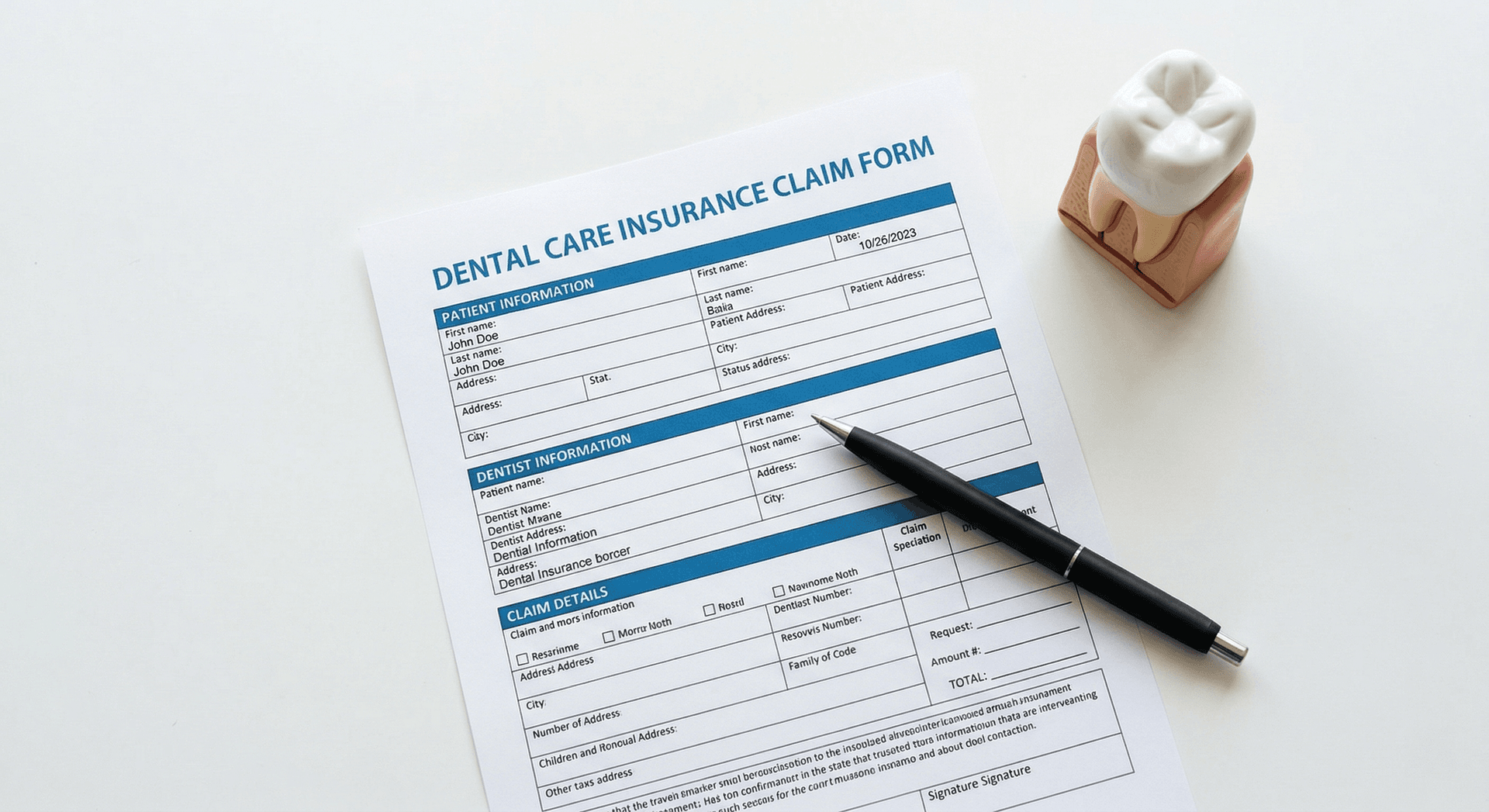
Dental insurance does not cover teeth whitening in nearly all cases because it is classified as a cosmetic procedure. FSA and HSA funds are also generally not eligible for whitening expenses. However, there are several ways to make whitening more affordable:
- Dental financing. Services like Cherry, CareCredit, Sunbit, and LendingClub let you split the cost into monthly payments, often with low or zero interest for promotional periods.
- New patient specials. Many dental practices offer discounted or bundled whitening for new patients. At MySmile Dental Care, our new patient special is a great way to get started.
- Touch-up strategy. Start with professional whitening or custom trays for the initial treatment, then maintain your results with affordable whitening strips or whitening toothpaste. This gives you professional results upfront without paying for repeat in-office sessions.
- Ask about package deals. Some practices offer a discount when you bundle whitening with other cosmetic treatments, or when you purchase an in-office treatment that includes custom take-home trays for maintenance.
Is Professional Whitening Worth the Cost?
The answer depends on your staining and your goals. Here is a simple way to think about it:
- Mild surface stains (from coffee, tea, or wine): Over-the-counter strips ($20 to $60) will likely give you noticeable improvement. Start here if you have never whitened before and want to see how your teeth respond.
- Moderate staining or uneven coloring: Custom take-home trays ($250 to $500) offer the best long-term value. Professional-grade gel, even coverage, and reusable trays mean you can maintain results for years at minimal ongoing cost.
- Severe staining, fast results needed, or deep discoloration: In-office whitening ($400 to $1,000+) is the best choice. This is also the right option if you have an event coming up and need results in a single visit.
- Maintenance after any treatment: Whitening toothpaste ($5 to $15) and good oral hygiene will help your results last longer regardless of which method you chose initially.
One thing to keep in mind: whitening only works on natural tooth structure. If you have crowns, veneers, or dental bonding on visible teeth, those restorations will not change color with whitening. Your dentist may need to replace or adjust them afterward to match your new shade. Discuss this before starting any whitening treatment to avoid mismatched teeth.
How to Get the Most Value from Whitening
Regardless of which method you choose, these tips will help you maximize your results and minimize your cost per year of white teeth:
- Get a cleaning first. Whitening works better on clean teeth. Removing plaque and tartar buildup before whitening allows the gel to make full contact with your enamel.
- Address dental issues first. Whitening with untreated cavities or gum disease is painful and ineffective. A dental exam before whitening protects your results and your oral health.
- Reduce staining habits. Cutting back on coffee, tea, red wine, and tobacco will make your results last significantly longer. If you cannot give them up, rinse with water after consuming them.
- Use a straw. Drinking staining beverages through a straw keeps them away from your front teeth.
- Maintain with whitening toothpaste. Using a whitening toothpaste as your daily toothpaste helps preserve your shade without the cost or sensitivity of repeated treatments.
- Schedule touch-ups. A quick touch-up with custom trays every six to twelve months is far cheaper than repeating a full in-office treatment.
The Bottom Line
Teeth whitening costs range from a few dollars for toothpaste to over $1,000 for premium in-office treatments. The best option for you depends on how much staining you have, how fast you want results, and what fits your budget. Over-the-counter strips offer the best value for mild staining, custom trays are the smartest long-term investment for moderate staining, and in-office whitening is unmatched when you want dramatic results fast.
At MySmile Dental Care in Anaheim Hills, Dr. Bhatia can evaluate your staining, discuss your goals, and recommend the treatment that makes the most sense for your situation and your wallet. We also offer flexible financing so that cost does not have to stand between you and the smile you want.
Frequently Asked Questions
How much does teeth whitening cost at the dentist?
In-office professional teeth whitening typically costs between $400 and $1,000 per session, depending on the product used, the severity of your staining, and your location. Some practices charge more for premium systems like Zoom or KoR whitening. Take-home custom trays from your dentist usually cost $250 to $500.
Does dental insurance cover teeth whitening?
Almost never. Dental insurance considers teeth whitening a cosmetic procedure, so it is excluded from coverage under nearly all plans. Some rare exceptions exist when discoloration results from medical treatment, but this is uncommon. FSA and HSA funds are also generally not eligible for whitening.
Is professional teeth whitening worth the cost?
For most people with moderate to severe staining, yes. Professional whitening uses higher concentrations of whitening agents under dentist supervision, delivering faster and more dramatic results (up to eight shades lighter) than over-the-counter products. It is also safer because your dentist protects your gums and monitors for sensitivity. Results last one to three years with proper maintenance.
What is the cheapest way to whiten your teeth?
Whitening toothpaste ($5 to $15) is the most affordable option, though results are limited to mild surface stain removal. For noticeable whitening on a budget, over-the-counter whitening strips ($20 to $60) offer the best value. They contain hydrogen peroxide and can lighten teeth by one to three shades over two to three weeks.
How long do teeth whitening results last?
Results from professional in-office whitening typically last one to three years. Take-home custom trays last about the same with periodic touch-ups. Over-the-counter strips last three to six months before fading. How long your results last depends on your diet, smoking habits, oral hygiene, and whether you do maintenance treatments.
Can I finance teeth whitening?
Yes. Many dental practices offer financing through services like Cherry, CareCredit, Sunbit, or LendingClub, which let you spread the cost over several months with low or no interest. This makes professional whitening accessible even if you cannot pay the full amount upfront.
Why is teeth whitening so expensive at the dentist?
The cost reflects higher-concentration whitening agents that are only available through dental professionals, custom-fitted trays or barriers to protect your gums, the dentist's time and expertise, and specialized equipment like curing lights. You are also paying for the safety of having a professional monitor your treatment and adjust it based on your tooth sensitivity and gum health.
Disclaimer
This article is for informational purposes only and does not constitute dental or medical advice. It is not a substitute for professional dental care, diagnosis, or treatment. Always consult your dentist or other qualified health care provider with any questions you may have about a dental condition or treatment. Reading this content does not establish a patient-provider relationship with MySmile Dental Care.
Get a Personalized Whitening Estimate
Every smile is different, and so is every whitening plan. Dr. Bhatia can evaluate your staining, recommend the best treatment option for your goals and budget, and walk you through our financing options. Schedule a whitening consultation at MySmile Dental Care in Anaheim Hills.