
 Emily Carter
At a Glance
- Fluoride is not bad for your teeth. It strengthens enamel and prevents cavities through a process called remineralization.
- Dental fluorosis (white spots on teeth) only occurs in children under eight who consume too much fluoride during tooth development. It does not affect adults.
- Community water fluoridation at 0.7 ppm is endorsed by every major health organization and has reduced cavities by 25% in communities that use it.
- Fluoride-free toothpaste does not protect against cavities. Dentists recommend fluoride toothpaste for nearly all patients.
- Children should use fluoride toothpaste from their first tooth, but in smaller amounts (rice-grain size under age three, pea-size from three to six).
Few topics in dentistry generate more debate online than fluoride. Search "is fluoride bad for you" and you will find everything from government health recommendations to conspiracy theories. It can be hard to separate the science from the noise.
So what do dentists actually think? Here is a straightforward, evidence-based look at what fluoride does, where the concerns come from, who should use it, and who might need to be careful.
What Is Fluoride?
Fluoride is a naturally occurring mineral found in soil, water, and certain foods. It exists in nearly all water sources at varying concentrations. The fluoride used in toothpaste, mouth rinses, and community water systems is the same mineral, just at controlled levels designed to strengthen teeth without causing harm.
Fluoride is not a medication, a chemical additive invented in a lab, or something foreign to the human body. It is an element on the periodic table (atomic number 9) that has been part of the natural environment long before anyone put it in toothpaste.
How Fluoride Protects Your Teeth
To understand why dentists recommend fluoride, you need to understand how cavities form. Every time you eat or drink something containing sugar or starch, bacteria in your mouth produce acids that pull minerals (calcium and phosphate) out of your enamel. This process is called demineralization.
Your saliva naturally reverses some of this damage by depositing minerals back into the enamel, a process called remineralization. Fluoride supercharges this repair process in three ways:
- It speeds up remineralization. Fluoride attracts calcium and phosphate ions to damaged areas of enamel, helping them rebuild faster than saliva alone.
- It creates a stronger crystal structure. When fluoride incorporates into the enamel during remineralization, it forms fluorapatite, which is more resistant to acid attack than the original hydroxyapatite crystal.
- It inhibits bacterial acid production. Fluoride interferes with the enzymes that oral bacteria use to metabolize sugar, reducing the amount of acid they produce in the first place.
In simple terms, fluoride helps your teeth repair themselves faster, makes the repaired enamel harder than the original, and reduces the acid attack that caused the damage. This is why it is so effective at preventing tooth decay.
What Does the Research Say?
The evidence supporting fluoride for cavity prevention is among the strongest in all of dentistry:
- A 2015 Cochrane review (the gold standard for medical evidence) found that fluoride toothpaste reduces cavities by 24% in children and adolescents compared to non-fluoride toothpaste.
- The CDC reports that community water fluoridation reduces tooth decay by approximately 25% across all age groups.
- Professional fluoride treatments (varnishes and gels applied at the dentist) reduce cavities by 30% to 40% in high-risk patients.
- The World Health Organization, American Dental Association, American Academy of Pediatrics, and CDC all endorse fluoride use for cavity prevention.
No other single intervention in dentistry has this much evidence behind it. Fluoride is to cavities what vaccines are to infectious disease: a proven, population-level preventive measure backed by decades of research.
Common Concerns About Fluoride
Despite the evidence, fluoride concerns are widespread. Here are the most common ones and what the science actually shows.
Dental Fluorosis
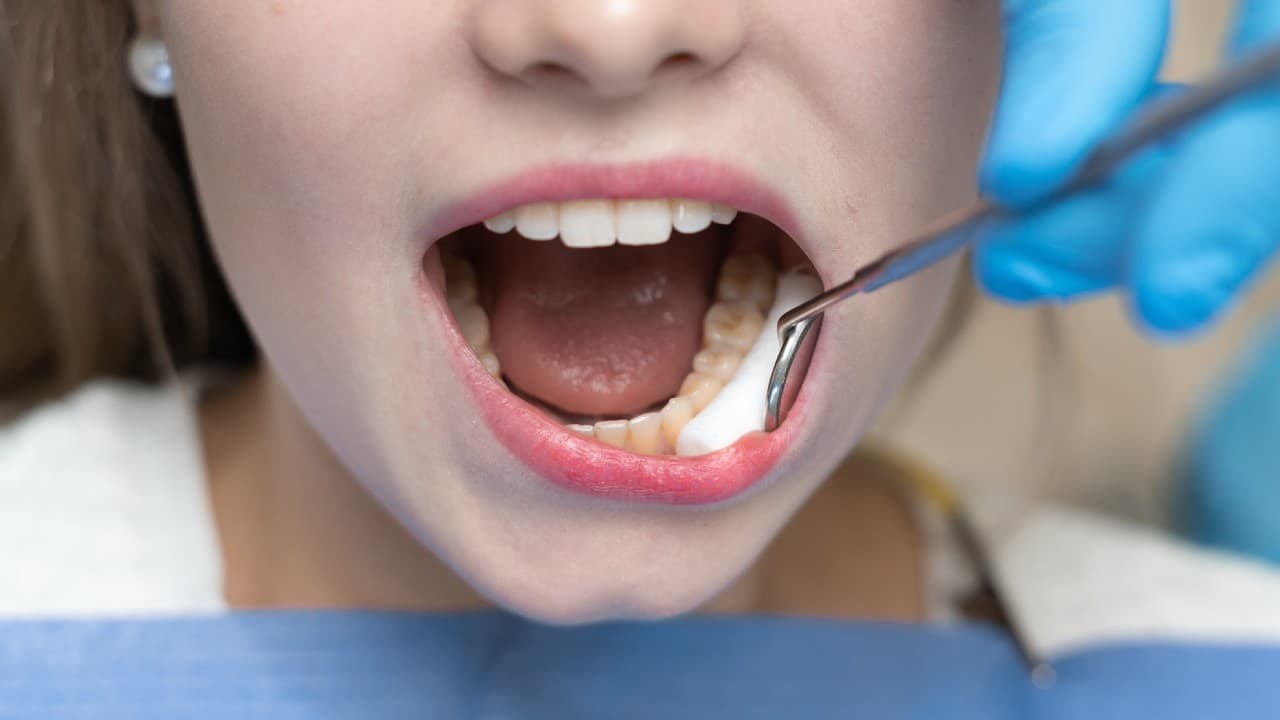
Dental fluorosis is the most legitimate concern related to fluoride, and it is the one dentists take seriously. It occurs when children under eight consume too much fluoride while their permanent teeth are still developing beneath the gums. The excess fluoride disrupts enamel formation, causing white spots, streaks, or (in severe cases) brown pitting on the teeth.
A few important points about fluorosis:
- It is a cosmetic issue, not a health hazard. Mild fluorosis (faint white spots) does not weaken teeth or cause pain.
- It only affects developing teeth. Once your permanent teeth are fully formed (around age eight), you cannot develop fluorosis no matter how much fluoride you use.
- The most common cause is children swallowing fluoride toothpaste rather than spitting it out. This is why supervision during brushing is so important.
- Severe fluorosis is rare in the United States. Most cases are mild and barely noticeable without close examination.
Fluoride and Brain Development
Some studies, including a widely cited 2012 meta-analysis from Harvard, found associations between very high fluoride levels (well above what is used in U.S. water systems) and lower IQ scores in children. These studies were conducted in areas of China, India, and Iran where naturally occurring fluoride in water reached 2 to 10 ppm, far exceeding the U.S. recommended level of 0.7 ppm.
A 2020 National Toxicology Program review concluded that there is not sufficient evidence to determine whether fluoride at the low levels used in U.S. water fluoridation affects neurodevelopment. The distinction between naturally high fluoride exposure in developing countries and controlled fluoridation at 0.7 ppm is critical and often lost in online discussions.
Fluoride and Cancer
The claim that fluoride causes cancer has been investigated repeatedly. The National Cancer Institute, the International Agency for Research on Cancer, and multiple large epidemiological studies have found no credible link between fluoride at recommended levels and any form of cancer.
Fluoride and Thyroid Function
Some research has suggested a connection between high fluoride exposure and thyroid problems, particularly hypothyroidism. However, these studies involved fluoride concentrations significantly higher than those in community water supplies. At 0.7 ppm, there is no established evidence that fluoridated water affects thyroid function in healthy individuals.

Fluoride in Drinking Water
Community water fluoridation has been practiced in the United States since 1945 and currently reaches about 73% of Americans on public water systems. The U.S. Public Health Service recommends a fluoride concentration of 0.7 parts per million, a level that provides cavity protection while minimizing the risk of fluorosis.
The CDC has named water fluoridation one of the ten great public health achievements of the 20th century, alongside vaccinations and motor vehicle safety. Communities that have removed fluoridation have consistently seen increases in cavity rates, particularly among children from lower-income families who may not have regular access to dental care.
If you are concerned about fluoride in your tap water, you can check your local water quality report (available from your water utility) to see the exact fluoride concentration. If your water has naturally occurring fluoride above 2 ppm, a reverse osmosis filter can reduce it to safe levels.
Fluoride Toothpaste vs. Fluoride-Free
Fluoride-free toothpastes have gained popularity, often marketed as "natural" or "clean" alternatives. While they can remove plaque and freshen breath, they lack the one ingredient proven to prevent cavities.
Here is how they compare:
- Fluoride toothpaste removes plaque, freshens breath, and strengthens enamel against acid attacks. It can actually reverse early-stage decay (white spot lesions) before a cavity forms.
- Fluoride-free toothpaste removes plaque and freshens breath but does nothing to strengthen enamel or reverse early decay. Some contain hydroxyapatite, which shows promise in studies but does not yet have the same level of evidence as fluoride.
For most people, dentists recommend fluoride toothpaste. If you have specific reasons to avoid fluoride (such as a rare allergy or a medical condition), talk to your dentist about alternatives that still provide some level of cavity protection.
Children and Fluoride
Children benefit the most from fluoride because their teeth are still developing and more vulnerable to decay. They are also the group most at risk for fluorosis if they get too much. The key is using the right amount at the right age.
Safe Fluoride Use by Age
- Birth to first tooth: No toothpaste needed. Clean gums with a damp washcloth after feedings.
- First tooth to age three: Use a rice-grain-sized smear of fluoride toothpaste on a soft infant toothbrush. This tiny amount is safe even if swallowed.
- Ages three to six: Use a pea-sized amount of fluoride toothpaste. Teach your child to spit after brushing rather than swallowing. Supervise every brushing session.
- Ages six and up: Standard pea-sized amount with regular spitting. Most children can brush independently by this age, but spot-check technique occasionally.
The pediatric dentistry team at MySmile Dental Care can evaluate your child's fluoride exposure from all sources (water, toothpaste, diet) and recommend whether professional fluoride treatments would benefit them. If you are unsure when to schedule that first appointment, our guide on when to take your baby to the dentist covers everything you need to know.
Professional Fluoride Treatments at the Dentist
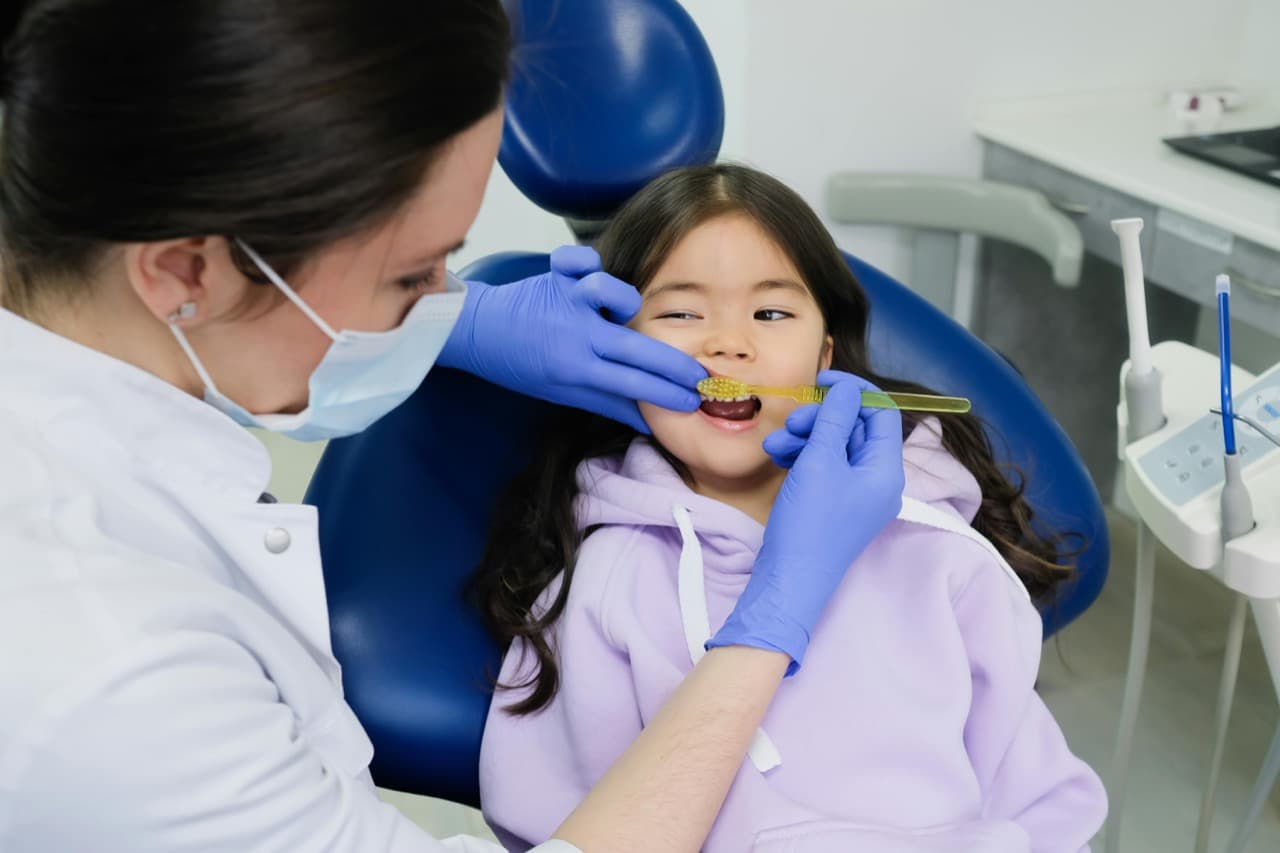
Beyond toothpaste and water, your dentist may recommend a professional fluoride treatment during your routine checkup. These treatments use a much higher concentration of fluoride than what is in toothpaste and are applied directly to your teeth as a varnish, gel, or foam.
Professional fluoride treatments are especially beneficial for:
- Children and teenagers with a history of cavities
- Adults with dry mouth (from medications, medical conditions, or radiation therapy), since saliva is your natural defense against decay
- Patients with gum disease or gum recession, which exposes root surfaces that are more vulnerable to decay
- People with crowns, bridges, or braces that create hard-to-clean areas where decay can start
- Anyone with a high cavity rate despite good brushing and flossing habits
The treatment takes about one minute, is painless, and provides protection that lasts for several months. Most dental insurance plans cover fluoride treatments for children, and many cover them for adults at higher risk.
Who Should Be Careful with Fluoride?
While fluoride is safe for the vast majority of people, a few groups should pay attention to their intake:
- Parents of children under six. Young children are the only group at risk for dental fluorosis. Supervise brushing, use the right amount of toothpaste, and store toothpaste out of reach (many kids' toothpastes taste like candy).
- People in areas with high natural fluoride. Some regions have naturally occurring fluoride in well water above 2 ppm. If you use well water, get it tested and install a reverse osmosis filter if levels are too high.
- People with kidney disease. Kidneys filter fluoride from the blood. Patients with severely reduced kidney function may accumulate fluoride at higher levels and should discuss fluoride use with their doctor.
- People with a rare fluoride allergy. True fluoride allergies are extremely uncommon but do exist. If you experience mouth sores or skin reactions from fluoride products, let your dentist know.
The Bottom Line
Fluoride is not bad for your teeth. It is one of the most effective, well-studied tools in dentistry for preventing cavities and strengthening enamel. The concerns you see online are either based on exposure levels far higher than what Americans encounter, apply only to young children during a specific developmental window, or have been repeatedly investigated and not supported by the evidence.
The real risk is not using fluoride. Skipping fluoride toothpaste means giving up the single most proven defense against tooth decay. For most people, the choice is straightforward: use fluoride toothpaste twice a day, drink fluoridated water if available, and ask your dentist whether professional treatments make sense for your situation.
If you have questions about fluoride for yourself or your child, bring them up at your next appointment. At MySmile Dental Care in Anaheim Hills, Dr. Bhatia can evaluate your individual cavity risk and recommend a prevention plan tailored to your needs.
Frequently Asked Questions
Is fluoride toothpaste safe for adults?
Yes. Fluoride toothpaste is safe and recommended for adults when used as directed. You use a pea-sized amount, brush for two minutes, and spit it out. The amount of fluoride you might accidentally swallow during normal brushing is far too small to cause any health issues. Decades of research and endorsements from the ADA, WHO, and CDC support its safety.
Can fluoride cause cancer?
No. Multiple large-scale studies, including reviews by the National Cancer Institute and the International Agency for Research on Cancer, have found no credible link between fluoride at recommended levels and any type of cancer. This claim has been studied extensively and consistently debunked.
Is fluoride in drinking water safe?
At the recommended level of 0.7 parts per million, community water fluoridation is considered safe by every major health organization. At this concentration, it helps prevent cavities without causing fluorosis in adults. If your water supply has naturally occurring fluoride above 2 ppm, a filtration system can bring it to safe levels.
What happens if you swallow fluoride toothpaste?
Swallowing a small amount of fluoride toothpaste occasionally is not harmful. However, swallowing large amounts can cause nausea, vomiting, or stomach discomfort. This is why children under six should use only a rice-grain-sized smear and be supervised while brushing. If a child swallows a large amount of toothpaste, contact Poison Control.
Should I use fluoride-free toothpaste?
For most people, fluoride-free toothpaste is not recommended because it does not protect against cavities. Fluoride is the only toothpaste ingredient with strong evidence for preventing and reversing early tooth decay. If you have a specific medical reason to avoid fluoride, discuss alternatives with your dentist.
At what age should children start using fluoride toothpaste?
The American Academy of Pediatric Dentistry recommends fluoride toothpaste from the moment the first tooth appears. Use a rice-grain-sized smear for children under three and a pea-sized amount for children ages three to six. Supervise brushing to make sure they spit rather than swallow.
Can too much fluoride damage teeth?
Yes, but only during tooth development (roughly birth through age eight). Excessive fluoride intake during this window can cause dental fluorosis, which appears as white spots or streaks on the enamel. Once teeth are fully formed, fluoride cannot cause fluorosis. In adults, fluoride strengthens existing teeth without cosmetic risk.
Disclaimer
This article is for informational purposes only and does not constitute dental or medical advice. It is not a substitute for professional dental care, diagnosis, or treatment. Always consult your dentist or other qualified health care provider with any questions you may have about a dental condition or treatment. Reading this content does not establish a patient-provider relationship with MySmile Dental Care.
Questions About Fluoride for You or Your Child?
Dr. Bhatia can assess your cavity risk, check for signs of fluorosis, and recommend the right fluoride strategy for your family. Whether you need a professional fluoride treatment or guidance on your child's oral care routine, we're here to help.