
 Emily Carter
At a Glance
- Dental fillings repair cavities by replacing decayed tooth structure with composite resin, amalgam, ceramic, or gold.
- A typical filling appointment takes 30 to 60 minutes, and you can usually return to normal activities the same day.
- Composite (tooth-colored) fillings cost $150 to $400 per tooth without insurance, while amalgam fillings cost $100 to $250.
- Most dental insurance covers fillings at 70% to 80% as a basic restorative procedure.
- Signs you may need a filling include sensitivity to hot or cold, visible holes or dark spots, and pain when biting down.
Dental fillings are one of the most common procedures in dentistry. If your dentist has told you that you need a filling, you probably have questions: What type should you get? How much will it cost? Will it hurt? How long does it take?
This guide walks through everything you need to know about dental fillings, from the different materials available to what the actual appointment looks like, so you can feel confident going in.
What Is a Dental Filling?
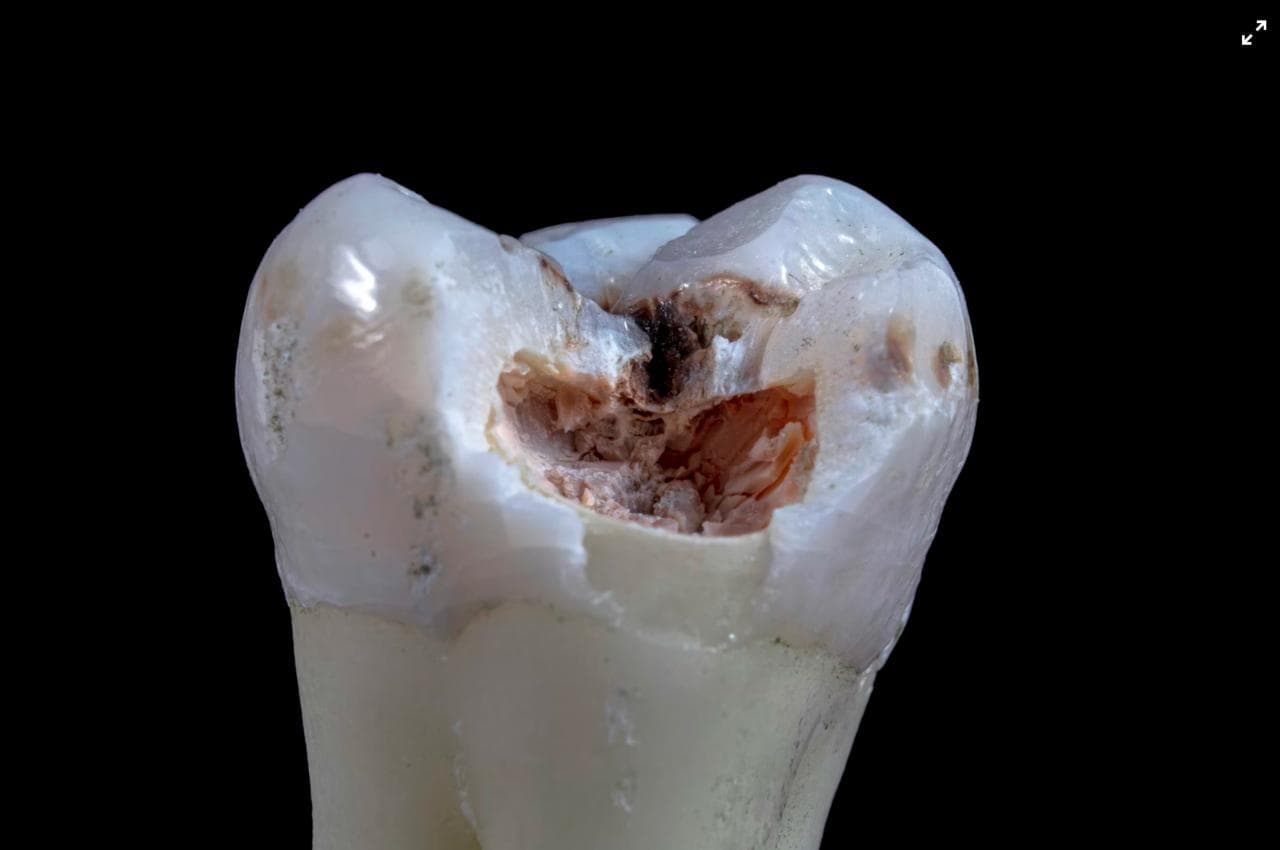
A dental filling is a restorative treatment that repairs a tooth damaged by decay (a cavity). Your dentist removes the decayed portion of the tooth, cleans the area, and then fills the space with a material that restores the tooth's shape and function.
Fillings prevent cavities from getting larger. Without treatment, decay continues to spread deeper into the tooth, eventually reaching the nerve (pulp) and potentially causing infection, an abscess, or the need for a root canal or extraction. The earlier a cavity is caught, the smaller and simpler the filling will be.
Signs You May Need a Filling
Cavities do not always cause noticeable symptoms in their early stages, which is why regular dental exams are so important. However, as decay progresses, you may notice:
- Sensitivity to hot, cold, or sweet foods and drinks. A sharp twinge when sipping coffee or eating ice cream can signal that decay has reached the dentin layer beneath your enamel.
- Pain when biting down. If chewing on one side of your mouth causes a sharp or dull ache, the tooth structure may be compromised.
- A visible hole, pit, or dark spot on a tooth. You may be able to see or feel the cavity with your tongue. Not sure if what you see is a cavity or just a stain? Your dentist can tell the difference with an exam and X-rays.
- Food getting stuck in the same spot repeatedly. A cavity creates a rough or hollowed area where food can collect.
- A rough or broken edge on a tooth. Decay weakens tooth structure, and pieces of enamel can chip away.
If you are experiencing any of these symptoms, schedule an appointment sooner rather than later. A small filling today can prevent a crown or root canal tomorrow.
Types of Dental Fillings
Several filling materials are available, each with different advantages. Your dentist will recommend the best option based on the cavity's size, location, your budget, and your cosmetic preferences.
Composite Resin (Tooth-Colored Fillings)
Composite is the most popular filling material today. It is made from a mixture of plastic resin and fine glass particles, and it can be color-matched to blend seamlessly with your natural teeth.
- Best for: Front teeth, visible surfaces, and patients who want a natural appearance
- Lifespan: 5 to 10 years (often longer with good care)
- Cost: $150 to $400 per tooth
- Pros: Matches tooth color, bonds directly to tooth structure (preserves more natural tooth), sets immediately with UV light
- Cons: Not as durable as amalgam for large fillings on molars, may stain slightly over time with coffee or red wine
Amalgam (Silver Fillings)
Amalgam has been used in dentistry for over 150 years. It is a mixture of mercury, silver, tin, and copper that forms an extremely durable alloy.
- Best for: Back teeth (molars) where durability matters more than appearance
- Lifespan: 10 to 15 years or more
- Cost: $100 to $250 per tooth
- Pros: Very durable, handles heavy chewing forces well, less expensive, long track record of safety
- Cons: Silver/dark color is visible, requires removal of more healthy tooth structure, expands and contracts with temperature changes
While amalgam fillings are safe according to the ADA and FDA, many dental practices (including ours) now primarily use composite fillings because patients prefer the natural appearance and because composite technology has improved significantly.
Ceramic (Porcelain Fillings)
Ceramic fillings, also called inlays or onlays, are custom-fabricated in a dental lab and then bonded to your tooth. They offer excellent aesthetics and durability.
- Best for: Medium to large cavities where strength and appearance both matter
- Lifespan: 15 to 20 years or more
- Cost: $250 to $1,500 per tooth
- Pros: Highly stain-resistant, very durable, natural appearance, biocompatible
- Cons: More expensive, usually requires two visits (unless your dentist has same-day CAD/CAM technology), can be brittle if too thin
Gold Fillings
Gold fillings (technically gold alloy) are the most durable option available but also the most expensive and least common today.
- Best for: Patients who prioritize longevity above all else
- Lifespan: 20 to 30 years or more
- Cost: $300 to $4,500 per tooth
- Pros: Extremely durable, does not corrode, gentle on opposing teeth
- Cons: Very expensive, gold color is highly visible, requires two visits, few dentists still offer them
Glass Ionomer
Glass ionomer is a specialized filling material that releases fluoride over time, providing ongoing cavity protection around the filling.
- Best for: Small cavities near the gum line, children's teeth, temporary fillings
- Lifespan: 5 years or less
- Cost: $100 to $300 per tooth
- Pros: Releases fluoride, bonds chemically to the tooth, good for areas that are hard to keep dry during placement
- Cons: Weaker than other materials, not suitable for biting surfaces of molars, less aesthetic than composite

What Happens During a Filling Procedure
Understanding the step-by-step process can help reduce anxiety, especially if this is your first filling. Here is what a typical appointment looks like:
- Numbing. Your dentist applies a topical anesthetic (gel) to your gum, then administers a local anesthetic injection to numb the tooth and surrounding area. The injection may cause a brief pinch, but once the anesthetic takes effect, you should not feel pain. If you have dental anxiety, ask about sedation options.
- Decay removal. Using a dental drill (handpiece) or laser, your dentist removes the decayed portion of the tooth. You will feel vibration and pressure but not pain.
- Tooth preparation. The cavity is cleaned and shaped to accept the filling material. For composite fillings, the dentist applies an acid etch and bonding agent to help the filling adhere to the tooth.
- Filling placement. The filling material is placed in layers. For composite fillings, each layer is hardened with a special UV curing light before the next layer is applied.
- Shaping and polishing. Your dentist trims any excess material, checks your bite by having you close down on articulating paper, and polishes the filling for a smooth finish.
The entire process typically takes 30 to 60 minutes for a single filling. Simple fillings can be done in as little as 20 minutes. If you need multiple fillings, your dentist may complete them in one visit or spread them across appointments depending on the locations and your comfort level.
How Much Do Dental Fillings Cost?
Filling costs depend on the material, the size and location of the cavity, and your geographic area. Here are typical ranges:
- Composite (tooth-colored): $150 to $400 per tooth
- Amalgam (silver): $100 to $250 per tooth
- Glass ionomer: $100 to $300 per tooth
- Ceramic (porcelain inlay/onlay): $250 to $1,500 per tooth
- Gold: $300 to $4,500 per tooth
Insurance Coverage
Most dental insurance plans classify fillings as a "basic restorative" procedure and cover them at 70% to 80% after your deductible. Some plans cover amalgam fillings on back teeth at the higher rate but only pay the amalgam price for composite fillings on molars, leaving you responsible for the cost difference if you choose composite.
If you do not have insurance, ask about payment plans and financing. Many dental offices offer options like CareCredit, Cherry, or Sunbit that let you spread the cost over several months with low or no interest. Learn more about managing dental costs without insurance.
Aftercare: What to Expect After a Filling
Recovery from a filling is straightforward, but there are a few things to keep in mind:
- Numbness. The local anesthetic typically wears off within 2 to 5 hours. Avoid eating until sensation returns so you do not accidentally bite your cheek, tongue, or lip.
- Sensitivity. Mild sensitivity to hot, cold, or pressure around the filled tooth is normal for a few days to a couple of weeks. If sensitivity persists beyond two weeks or gets worse, contact your dentist.
- Bite check. If your bite feels uneven after the numbness wears off (the filled tooth hits before the others when you close), call your dentist. A quick adjustment to trim the filling slightly will fix this. An uneven bite left uncorrected can cause soreness and even crack the filling.
- Eating. Composite fillings are fully set by the time you leave the office. Amalgam fillings take about 24 hours to fully harden, so avoid chewing on that side until the next day.
- Oral hygiene. Brush and floss normally. Keeping the area around the filling clean helps prevent new decay from forming at the edges of the restoration.

When a Filling Is Not Enough
Fillings work well for small to moderate cavities, but there are situations where your dentist may recommend a different treatment:
- Large cavities. When more than about half the tooth's structure is lost to decay, a filling alone may not provide enough support. An inlay, onlay, or crown (which covers the entire tooth) is stronger and more predictable for heavily damaged teeth.
- Decay reaching the nerve. If decay has progressed into the pulp (the nerve and blood vessel tissue inside the tooth), you will need a root canal to remove the infected tissue before the tooth can be restored with a filling or crown.
- Cracked or fractured teeth. Cracks that extend below the gum line or through the root may require a crown or, in severe cases, extraction.
- Repeated filling failure. If a filling on the same tooth keeps breaking or falling out, the remaining tooth structure may not be strong enough to hold a filling, and a crown is the better long-term solution.
How to Prevent Cavities and Avoid Fillings
The best filling is the one you never need. Here are proven strategies for keeping your teeth cavity-free:
- Brush twice a day with fluoride toothpaste. Fluoride strengthens enamel and can even reverse very early decay before a filling becomes necessary.
- Floss daily. Cavities love to form between teeth where your toothbrush cannot reach.
- Limit sugary and acidic foods. Bacteria in your mouth feed on sugar and produce acid that dissolves enamel. Frequent snacking and sipping on sugary drinks is especially damaging.
- Get regular dental checkups. Professional exams and X-rays catch cavities at the earliest stage, when they may still be reversible with fluoride alone. Most adults benefit from a checkup every six months.
- Ask about dental sealants. Sealants are thin protective coatings applied to the chewing surfaces of back teeth. They are most commonly used for children but can benefit adults with deep grooves in their molars.
- Drink water throughout the day. Water rinses away food particles and helps maintain saliva flow, which naturally neutralizes acid and remineralizes enamel.
The Bottom Line
Getting a filling is one of the most routine procedures in dentistry, and modern materials and techniques make it faster, more comfortable, and more aesthetic than ever. If your dentist recommends a filling, the best thing you can do is follow through promptly. Small cavities are simpler to treat, less expensive to fill, and less likely to cause complications than large ones that have been ignored.
At MySmile Dental Care in Anaheim Hills, Dr. Bhatia uses tooth-colored composite fillings that blend naturally with your smile. If you are experiencing tooth sensitivity, pain, or think you might have a cavity, schedule an exam so we can catch it early and keep your treatment as simple as possible.
Frequently Asked Questions
How long does a cavity filling take?
A single cavity filling typically takes 30 to 60 minutes from start to finish. Simple, small fillings on easily accessible teeth may take as little as 20 minutes. If you need multiple fillings, your dentist may schedule them in one longer appointment or split them across two visits depending on the location and complexity.
Do dental fillings hurt?
The filling procedure itself should not hurt because your dentist will numb the area with a local anesthetic before starting. You may feel a brief pinch from the numbing injection, but once it takes effect you should feel only pressure, not pain. After the numbing wears off (typically 2 to 5 hours later), mild soreness or sensitivity is common for a few days.
How long do dental fillings last?
Composite (tooth-colored) fillings typically last 5 to 10 years, though many last longer with good care. Amalgam (silver) fillings can last 10 to 15 years or more. Ceramic and gold fillings are the most durable, often lasting 15 to 30 years. Lifespan depends on the filling size, location, your bite force, and how well you maintain your oral hygiene.
Can I eat after getting a filling?
With composite fillings, you can eat as soon as the numbing wears off because the material is fully hardened by the UV light during the procedure. With amalgam fillings, wait at least 24 hours before chewing on that side because the material needs time to fully set. Regardless of filling type, avoid very hot or cold foods for the first day or two if you experience sensitivity.
How much does a filling cost without insurance?
Without insurance, a composite (tooth-colored) filling costs $150 to $400 per tooth depending on the size and location. Amalgam fillings are slightly cheaper at $100 to $250. Ceramic and gold fillings are more expensive, ranging from $250 to $4,500. Most dental insurance plans cover fillings as a basic procedure, typically at 70% to 80% after your deductible.
What is the difference between a filling and a crown?
A filling repairs a small to moderate area of decay by filling the cavity with a restorative material. A crown covers the entire visible portion of the tooth like a cap. Your dentist will recommend a crown instead of a filling when more than about half the tooth structure is damaged, after a root canal, or when the remaining tooth is too weak to support a filling.
Can a filling fall out?
Yes, fillings can fall out due to new decay forming around the filling, biting down on hard foods, teeth grinding, or simply aging of the filling material. If a filling falls out, contact your dentist promptly. In the meantime, avoid chewing on that side and keep the area clean. Do not try to reattach the filling yourself.
Are silver (amalgam) fillings safe?
Yes. The American Dental Association, FDA, and World Health Organization have all confirmed that dental amalgam is safe for adults and children over age 6. While amalgam does contain mercury, it is bound with other metals (silver, tin, copper) to form a stable alloy. The amount of mercury released from amalgam fillings is well below levels that cause health effects. That said, many patients and dentists now prefer composite fillings for cosmetic reasons.
Disclaimer
This article is for informational purposes only and does not constitute dental or medical advice. It is not a substitute for professional dental care, diagnosis, or treatment. Always consult your dentist or other qualified health care provider with any questions you may have about a dental condition or treatment. Reading this content does not establish a patient-provider relationship with MySmile Dental Care.
Think You Might Need a Filling?
Catching a cavity early means a smaller, less expensive filling and a quicker appointment. Dr. Bhatia at MySmile Dental Care in Anaheim Hills provides gentle, thorough exams and same-day composite fillings. Do not wait for the pain to get worse.