
 Emily Carter
At a Glance
- The fastest combo: 600mg ibuprofen + warm salt water rinse + cold compress + head elevated on two pillows. Brings relief in 30 to 60 minutes for most toothaches.
- Toothaches feel worse at night because lying down increases blood pressure around the inflamed nerve and your body produces less cortisol.
- Staggered ibuprofen (600mg) and acetaminophen (500mg) every 3 hours equals or beats prescription opioids for dental pain.
- Skip old remedies that do not work: aspirin on the gum (causes chemical burns), whiskey, oil pulling, and cracking teeth on ice.
- Call a dentist within 24 hours for any toothache. Go to the ER only for facial swelling, fever above 101, or trauma with bleeding that will not stop.
Toothaches always feel worse at night. The pain that was manageable during the day becomes a throbbing, sleep-stealing nightmare the moment you lie down. There is a physical reason for this (more on that below), and there are also real, proven things you can do right now to get relief and actually sleep tonight.
Here are 12 methods that work, ranked roughly by speed and effectiveness, plus a clear breakdown of when a toothache is an emergency that cannot wait until morning.
Why Toothaches Feel Worse at Night
Three things conspire against you after dark:
- Lying down increases blood flow to your head. More blood means more pressure around an already inflamed nerve. This is why the moment you put your head on the pillow, the pain spikes.
- There are no daytime distractions. During the day, work, conversations, and activity pull your attention away from the pain. At 2 AM, there is nothing between you and the throbbing.
- Your body produces less cortisol at night. Cortisol is a natural anti-inflammatory. Lower nighttime levels mean less natural pain suppression.
The methods below counteract all three.
The Fast Combo: Do These Four Things First
Before trying any single remedy, do these four together. Most toothaches respond within 30 to 60 minutes:
- Take 600mg of ibuprofen (3 tablets of 200mg Advil) with food.
- Rinse your mouth with warm salt water (half teaspoon salt in 8 oz warm water).
- Put a cold compress against your cheek over the painful tooth for 20 minutes.
- Prop your head up on two pillows when you lie down.
These four work on different mechanisms (inflammation, bacteria, swelling, blood pressure), and together they cover most toothaches. If this combo does not bring meaningful relief after 60 minutes, the methods below give you more options.
12 Methods to Stop Toothache Pain at Night
1. Ibuprofen (600mg)
Ibuprofen is the single most effective over-the-counter medication for dental pain. It is both a pain reliever and an anti-inflammatory, which addresses the actual cause of most toothache pain (swelling around the nerve). The effective adult dose is 600mg every 6 hours with food (do not exceed 2400mg in 24 hours). It takes 30 to 45 minutes to start working.
2. Stagger Ibuprofen with Acetaminophen
For pain that ibuprofen alone does not handle, alternate with acetaminophen (Tylenol). The dosing schedule:
- Hour 0: 600mg ibuprofen
- Hour 3: 500mg acetaminophen
- Hour 6: 600mg ibuprofen
- Hour 9: 500mg acetaminophen
Studies show this combination provides pain relief equal to or better than prescription opioids for dental pain, without the drowsiness or constipation side effects. Always check with your doctor if you take blood thinners, have kidney or liver issues, or take other medications.
3. Cold Compress (Outside the Cheek)
A cold compress against the outside of your cheek over the painful tooth constricts blood vessels, reduces swelling, and numbs the area. Use a gel pack wrapped in a thin towel or a bag of frozen peas. Apply for 20 minutes, then 20 minutes off. Repeat as needed. Do not apply ice directly to skin.
4. Warm Salt Water Rinse
Mix half a teaspoon of salt in 8 ounces of warm water and rinse gently for 30 seconds. Salt water is a natural antiseptic, reduces bacteria in the mouth, and helps draw inflammatory fluid out of swollen gum tissue. Rinse 3 to 4 times a day, especially after meals.
5. Elevate Your Head When You Lie Down
Use two pillows or a wedge pillow to keep your head higher than your heart. This counteracts the blood pressure increase that makes toothaches worse at night. Many patients sleep noticeably better with this single change.

6. Clove Oil (Eugenol)
Clove oil contains eugenol, a natural anesthetic that dentists actually use in temporary fillings. Soak a small cotton ball in clove oil (available at pharmacies and health food stores) and gently dab it on the painful tooth and surrounding gum. Numbness kicks in within minutes and lasts 1 to 2 hours. Do not swallow it and do not use it on children.
7. Hydrogen Peroxide Rinse (3 percent)
For toothaches suspected to involve infection, mix equal parts of 3 percent hydrogen peroxide and water. Swish for 30 seconds and spit it out (do not swallow). The peroxide kills surface bacteria and helps reduce inflammation. Use no more than 2 to 3 times per day.
8. Floss Around the Tooth
If your toothache started after a meal, food trapped between teeth may be the cause. Gently floss around the painful tooth and the teeth on either side. If a piece of food was the problem, you may get instant complete relief. If flossing does not help, move on to the other methods.
9. Garlic Paste
Garlic contains allicin, which has natural antibacterial properties. Crush a clove of garlic and apply the paste directly to the painful tooth and gum for 5 to 10 minutes. The taste is intense, but many patients report meaningful relief. Rinse with salt water afterward.
10. Peppermint Tea Bag (Cooled or Warmed)
Steep a peppermint tea bag in hot water, then let it cool to a comfortable temperature (warm or cold, both work). Apply the damp tea bag directly to the painful area for 15 to 20 minutes. Peppermint has mild numbing and antibacterial properties. Not as strong as clove oil, but it tastes better and is safer.
11. Avoid Triggers
Some toothaches get worse with specific triggers. While you wait for treatment:
- Avoid extremely hot or cold foods and drinks. Stay in the lukewarm zone.
- Avoid sweet foods, which can trigger pain in cavities.
- Chew on the opposite side of your mouth.
- Avoid hard, crunchy foods that could fracture an already weakened tooth.
- Skip alcohol. It does not help and can interfere with pain medication.
12. Distract Your Brain
Pain perception is partly mental. Watching a movie, listening to a podcast, or reading something engaging actively reduces how much you feel the pain. This is not pretend relief. Brain imaging studies show real reductions in pain signals when attention is diverted. Combine this with the medication and physical methods above.
Old Remedies That Do Not Work
Skip these. Some are harmless waste of time, others are actively harmful:
- Aspirin placed on the gum: Causes a chemical burn to the gum tissue. Always swallow aspirin with water.
- Whiskey or strong alcohol on the tooth: Provides no real pain relief and can irritate already inflamed tissue.
- Oil pulling: May feel soothing but does not treat the underlying cause of acute pain.
- Heat on the outside of the face: Increases blood flow and usually makes the pain worse, not better. Use cold, not heat, for an acute toothache.
- Cracking ice or hard candy: Can fracture an already weakened tooth and turn a toothache into a dental emergency.
- Numbing gels with benzocaine for long periods: Brief use is fine, but repeated heavy use can be harmful and only masks the pain temporarily.
When to Go to the ER vs an Emergency Dentist
The ER cannot fix a toothache. They can manage pain and prescribe antibiotics, but they cannot treat the underlying tooth problem. Save the ER trip for these specific situations:
Go to the ER Now If You Have
- Facial swelling that affects breathing or swallowing
- Fever above 101 degrees with the toothache
- Swelling under the jaw or in the neck
- Trauma to the face with bleeding that will not stop after 30 minutes of pressure
- Knocked-out adult tooth (call an emergency dentist first if possible)
For everything else, use the methods above to get through the night, then call an emergency dentist first thing in the morning for a same-day appointment.
Common Causes of Sudden Toothache
Understanding what is likely causing the pain helps you communicate with the dentist:
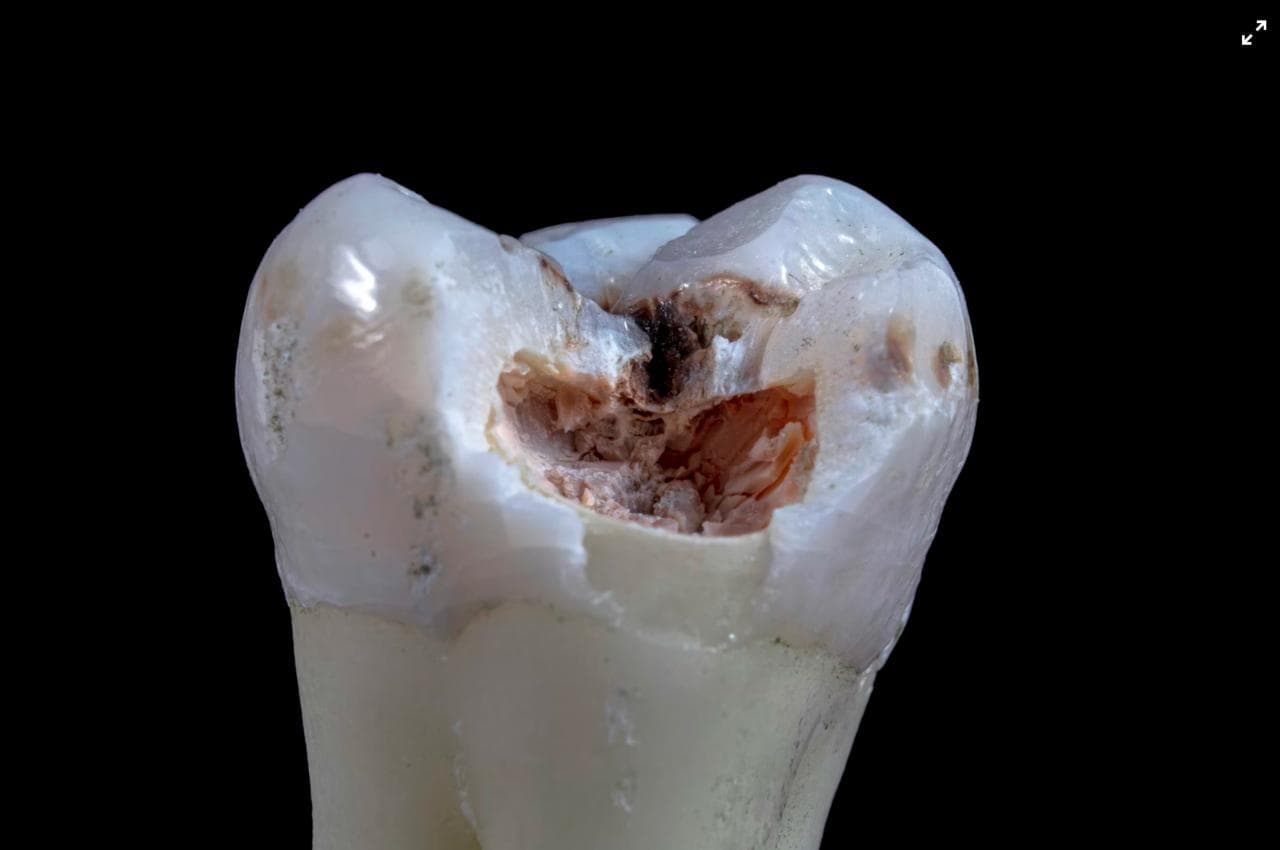
- Cavity: Sharp pain when eating sweet, hot, or cold things. Pain that goes away once the trigger is removed.
- Cracked tooth: Sharp pain on biting that goes away when you release pressure. See our cracked tooth symptoms guide.
- Infected tooth (abscess): Constant throbbing pain that pulses with your heartbeat. May come with swelling or a bad taste. See our tooth abscess guide.
- Dental work that just settled in: Pain after a recent filling or crown that has not settled. Usually resolves within a week or two.
- Sinus infection: Pressure pain in upper back teeth, especially when bending forward. Often comes with congestion.
- Wisdom teeth coming in: Pain or pressure at the back of the jaw, often with swelling.
- Gum disease: Tender, swollen, bleeding gums with a dull aching pain.
- Teeth grinding: Generalized morning tooth pain and jaw soreness. See our grinding guide.
See our complete guide to tooth pain for more detail on each cause.
Why You Still Need to See a Dentist
Pain relief at night is just the first step. Every toothache has a cause, and almost all of them require professional treatment to actually fix. If you only manage the pain and never address the cause:
- A small cavity becomes a large cavity and then a root canal
- An early infection becomes a spreading abscess that can affect your jawbone or even become life-threatening
- A cracked tooth gets worse with every bite until it splits and must be extracted
- Eventually the nerve dies (the pain temporarily fades) and the infection silently progresses until it flares back up much worse
The pain is your body's warning signal. Silencing the alarm without addressing the fire never ends well. Call a dentist within 24 to 48 hours of any toothache.
If You Are in the Anaheim Hills Area
For local patients dealing with a toothache, MySmile Dental Care holds time in the daily schedule for emergency visits. Useful local pages depending on what you need:
- Emergency dentist in Anaheim Hills for true urgent issues
- Same-day dentist if you can wait until morning
- Walk-in dentist for no-appointment availability
- Toothache relief for general toothache evaluation
- Dentist open late for after-work availability
The Bottom Line
Tonight, do the fast combo: 600mg ibuprofen with food, warm salt water rinse, cold compress on the outside of your cheek for 20 minutes, and prop your head up on two pillows. Stagger acetaminophen with the ibuprofen if the pain breaks through. Most toothaches respond meaningfully within an hour of starting this combination.
Tomorrow morning, call a dentist. Pain relief at night does not treat the cause, and dental problems do not heal on their own. Same-day appointments are usually available if you call first thing. At MySmile Dental Care in Anaheim Hills, Dr. Bhatia leaves time daily for emergency patients and treats the underlying cause so the pain does not come back. Call us at (714) 998-4151 in the morning or book online right now for the next available appointment.
Frequently Asked Questions
Why does a toothache always feel worse at night?
Three reasons. First, lying down increases blood flow to your head, which raises pressure around the inflamed nerve. Second, there are no daytime distractions to take your mind off it. Third, your body produces less cortisol at night, which is a natural anti-inflammatory. The combination makes the same pain feel more intense after dark.
What is the fastest way to stop tooth pain at night?
Take 600mg of ibuprofen with food (if you can take it). Rinse with warm salt water. Apply a cold compress to the outside of your jaw for 20 minutes on, 20 minutes off. Sleep with your head elevated on two pillows. This combination addresses inflammation, swelling, and pressure simultaneously and brings relief to most toothaches within 30 to 60 minutes.
Should I go to the ER for a toothache at night?
Only for true emergencies: facial swelling that affects breathing or swallowing, fever above 101 degrees with the toothache, or trauma with bleeding that will not stop. The ER cannot fix a toothache. They can only manage pain and prescribe antibiotics. For everything else, call an emergency dentist or wait until morning and book a same-day appointment.
Can ibuprofen and acetaminophen be taken together for a toothache?
Yes, this combination is one of the most effective pain control strategies for dental pain. Take 600mg ibuprofen with food, then 500mg acetaminophen 3 hours later, then 600mg ibuprofen 3 hours after that (staggered every 3 hours). This combination has been shown to provide pain relief equal to or better than prescription opioids. Always check with your doctor first if you take other medications.
Does putting an aspirin on a tooth help with pain?
No. Putting an aspirin directly on the gum is an old remedy that actually causes chemical burns to the gum tissue. Always swallow pain medication with water. Topical application does not numb the tooth and can cause real tissue damage that makes the pain worse.
How long does a toothache usually last?
It depends on the cause. A toothache from food trapped between teeth resolves in minutes after flossing. A toothache from a small cavity may come and go for weeks. A toothache from an infected tooth (abscess) will not resolve on its own and gets worse over days. Any toothache that lasts more than 24 to 48 hours needs a dentist evaluation.
Can a toothache go away on its own?
Some toothaches resolve, like pain from a small piece of food stuck between teeth, gum irritation from aggressive brushing, or sensitivity from a new toothpaste. Pain from cavities, cracked teeth, infections, and abscesses does not go away permanently. The pain may temporarily fade as the nerve dies, but the underlying problem keeps progressing and usually returns much worse.
What if my toothache is throbbing and keeping me awake?
Throbbing pain that pulses with your heartbeat usually means a tooth infection. Take 600mg ibuprofen and 500mg acetaminophen, elevate your head, and apply a cold compress. Throbbing pain almost always needs professional treatment, usually a root canal or extraction. Call your dentist first thing in the morning for a same-day appointment.
Disclaimer
This article is for informational purposes only and does not constitute dental or medical advice. It is not a substitute for professional dental care, diagnosis, or treatment. Always consult your dentist or other qualified health care provider with any questions you may have about a dental condition or treatment. Reading this content does not establish a patient-provider relationship with MySmile Dental Care.
Toothache Tonight? We Have Same-Day Appointments Tomorrow
Dr. Bhatia leaves time in the schedule every day for emergency dental visits. If you are in pain, call us first thing in the morning and we will get you seen the same day. We accept most insurance, offer financing through Cherry and CareCredit, and treat the cause of your toothache so the pain does not come back.