
 Emily Carter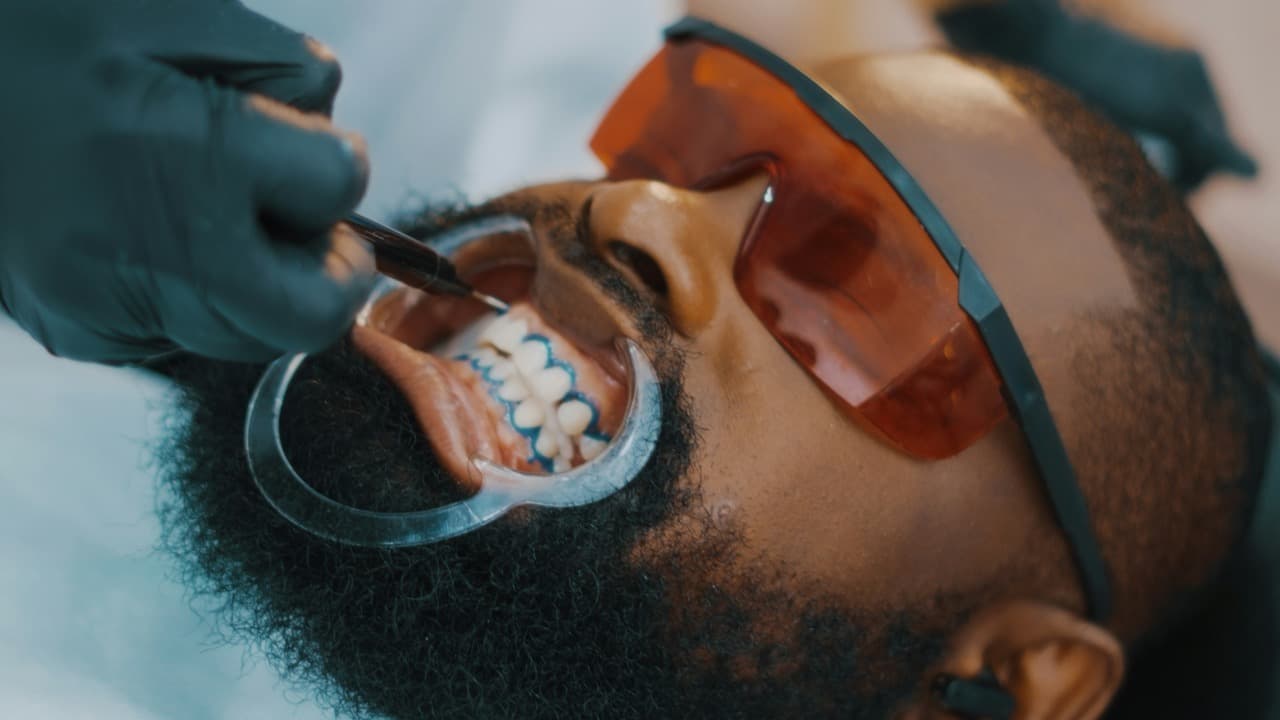
At a Glance
- Professional teeth whitening is safe when performed by a dentist or with dentist-supervised take-home kits.
- The most common side effect is temporary tooth sensitivity, which usually resolves within 24 to 72 hours.
- Over-the-counter products are generally safe when used as directed, but misuse or overuse can damage enamel and irritate gums.
- Pregnant women, children under 16, and people with untreated cavities or gum disease should avoid whitening until those conditions are addressed.
- Avoid DIY whitening trends like charcoal, lemon juice, or high-concentration peroxide from non-dental sources.
Teeth whitening is the most popular cosmetic dental procedure in the United States. Millions of people use whitening strips, trays, and professional treatments every year. But with so many products and DIY methods available, a reasonable question keeps coming up: is it actually safe?
The short answer is yes, teeth whitening is safe when done correctly. But "correctly" is the key word. The type of product, the concentration of bleaching agent, how long you use it, and whether you have any underlying dental conditions all affect the safety equation. Here is what you need to know before you whiten.
How Teeth Whitening Works
Understanding the safety of whitening starts with understanding how it works. Nearly all whitening products use one of two active ingredients:
- Hydrogen peroxide is the most common bleaching agent in professional treatments. It penetrates the enamel and breaks down stain molecules through an oxidation reaction, lightening the tooth from the inside out.
- Carbamide peroxide is used in many take-home products. It breaks down into hydrogen peroxide and urea once applied, releasing the bleaching agent more slowly over a longer period.
The concentration of peroxide determines both the effectiveness and the risk profile. Professional in-office treatments use 25% to 40% hydrogen peroxide with protective measures in place. Over-the-counter strips typically contain 6% to 10% hydrogen peroxide. Take-home trays from your dentist usually fall somewhere in between, with 10% to 22% carbamide peroxide.
Is Professional Whitening Safe?
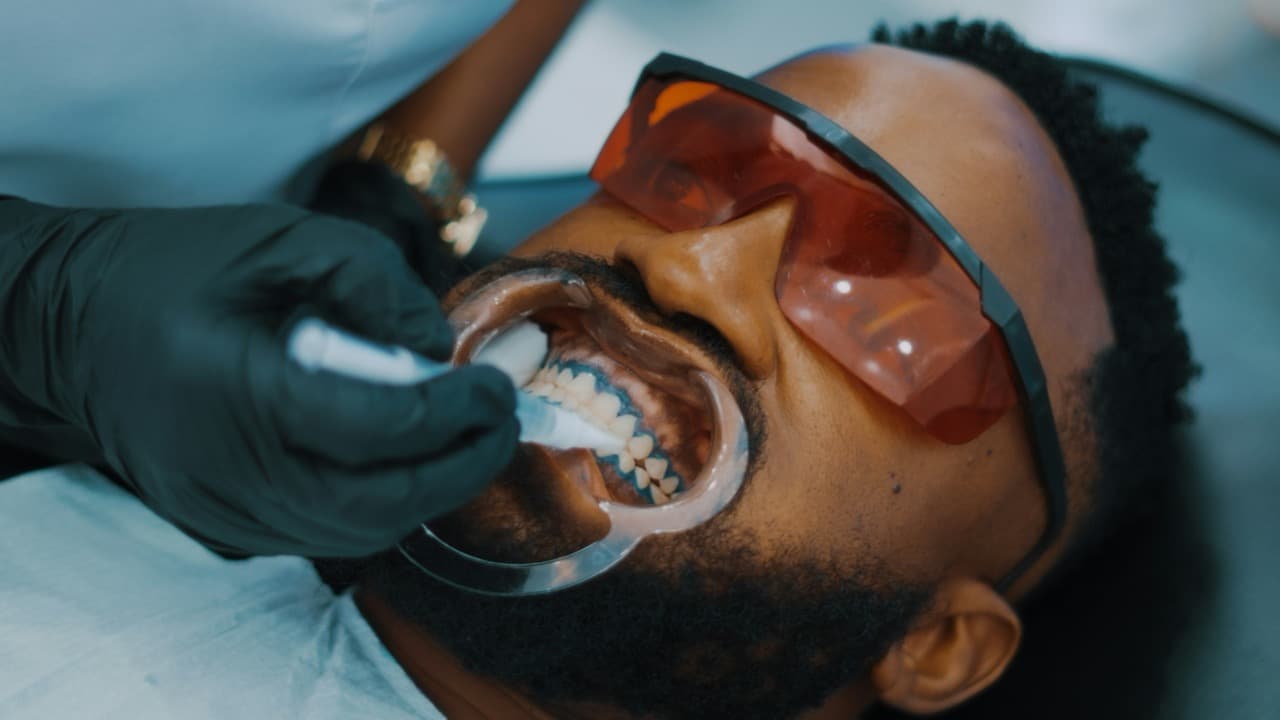
Professional whitening performed at a dental office is the safest and most effective option. Here is why:
- Pre-treatment exam. Your dentist checks for cavities, cracks, gum disease, and exposed roots before starting. Whitening over these conditions can cause pain and further damage, so they are addressed first.
- Gum protection. A rubber dam or protective gel is applied to your gum tissue before the whitening agent is placed on your teeth. This prevents the high-concentration peroxide from irritating soft tissue.
- Controlled concentration. The peroxide concentration and application time are tailored to your specific needs and sensitivity level.
- Monitoring. Your dentist watches for any adverse reactions during treatment and can stop or adjust immediately if needed.
Research published in the Journal of Evidence-Based Dental Practice confirms that professional whitening with hydrogen peroxide does not cause permanent structural damage to enamel when used according to manufacturer instructions. The bleaching agents work on the organic stain molecules within the tooth without dissolving the mineral structure of the enamel itself.
Are Over-the-Counter Whitening Products Safe?
Over-the-counter whitening products, including whitening strips, whitening pens, LED kits, and whitening toothpastes, are generally safe when used as directed. The key phrase is "as directed."
Problems arise when people:
- Use strips or trays for longer than the instructions specify, thinking more time means whiter teeth
- Use whitening products multiple times a day or for weeks beyond the recommended course
- Apply whitening products over unfilled cavities, cracked teeth, or receding gums
- Use products purchased from unregulated online sellers with unverified peroxide concentrations
The ADA Seal of Acceptance is a reliable indicator that a product has been tested for safety and effectiveness. If you are choosing an over-the-counter product, look for that seal on the packaging.
Common Side Effects of Teeth Whitening
Even with safe products and proper use, two side effects are common:
Tooth Sensitivity
This is the most frequently reported side effect. Hydrogen peroxide can temporarily dehydrate teeth and irritate the nerve inside the tooth (the pulp), causing sensitivity to hot, cold, and sweet foods. This sensitivity is almost always temporary, resolving within one to three days after treatment ends.
If you already have sensitive teeth, let your dentist know before whitening. They can use a lower concentration, shorter application time, or apply a desensitizing agent before and after treatment.
Gum Irritation
Contact between the bleaching agent and gum tissue can cause temporary irritation, whitening of the gums, or mild soreness. With professional treatment, this is rare because of the protective barriers used. With over-the-counter strips or ill-fitting trays, it is more common because the product can slip onto the gums during wear.
Both side effects are temporary and do not indicate permanent damage. However, if sensitivity or irritation persists for more than a week, contact your dentist.
DIY Whitening Methods to Avoid
The biggest safety risks come not from commercial products but from unregulated DIY methods popularized on social media. These are the ones dentists see causing real damage:
- Charcoal toothpaste or powder. Activated charcoal is highly abrasive and can strip enamel with regular use. It also lacks fluoride, and the dark particles can become embedded in gum tissue and dental restorations. The ADA has not approved any charcoal whitening product.
- Lemon juice or apple cider vinegar. These are strongly acidic and erode enamel directly. Combining them with baking soda (a popular internet recipe) is even worse: the acid softens the enamel, and the abrasive scrubbing accelerates the damage.
- High-concentration peroxide from non-dental sources. Salon or mall kiosk whitening treatments may use peroxide concentrations that are too high for unsupervised use. Without a dental exam beforehand and proper gum protection, these treatments can cause chemical burns to soft tissue and severe sensitivity.
- UV or blue-light devices without dental supervision. Some at-home LED devices claim to accelerate whitening. The evidence for their effectiveness is mixed, and improper use of UV light in the mouth carries risks including tissue damage and lip burns.
Who Should Avoid Teeth Whitening
Whitening is not appropriate for everyone. Your dentist may recommend waiting or choosing an alternative if you have:
- Untreated cavities or cracked teeth. Peroxide can penetrate through cracks and decay into the inner tooth, causing intense pain and potentially damaging the nerve.
- Active gum disease. Inflamed or bleeding gums react poorly to bleaching agents. Treat the gum disease first, then consider whitening once your gums are healthy.
- Pregnancy or breastfeeding. While no studies show direct harm, most dentists recommend postponing elective cosmetic procedures during pregnancy. Hormonal changes also make gums more sensitive to irritation.
- Age under 16. The tooth pulp is larger in younger teeth, making them more susceptible to sensitivity and irritation from bleaching agents. Most professional guidelines recommend waiting until at least age 16.
- Extensive dental restorations. Crowns, veneers, bonding, and fillings do not respond to bleaching agents. Whitening your natural teeth around existing restorations can create a mismatched appearance. Your dentist can help plan a cosmetic approach that accounts for all your dental work.
- Very thin or translucent enamel. Whitening teeth with severely worn enamel can make them appear more translucent or gray rather than whiter. A dental exam can assess your enamel thickness before treatment.
How to Minimize Side Effects
Whether you choose professional or at-home whitening, these steps help reduce sensitivity and irritation:
- Use desensitizing toothpaste. Start brushing with a potassium nitrate toothpaste (such as Sensodyne) two weeks before whitening. This helps block pain signals from the tooth nerve.
- Follow instructions exactly. Do not leave strips or trays on longer than directed. More time does not equal whiter teeth, it just means more irritation.
- Avoid very hot or cold foods for 24 to 48 hours after treatment when teeth are most sensitive.
- Take breaks between whitening cycles. If you are using take-home trays, your dentist will specify how many days to use them and when to pause. Follow that schedule.
- Get a dental exam first. This is the single most important step. Whitening healthy teeth is safe. Whitening teeth with untreated problems is where complications happen.

Does Whitening Damage Enamel?
This is the concern most people have, and the research is reassuring. Multiple studies, including a comprehensive review in the Journal of the American Dental Association, have concluded that hydrogen peroxide and carbamide peroxide at concentrations used in dental products do not cause clinically significant enamel erosion or structural damage when used as directed.
The peroxide works by breaking apart chromophore (color-causing) molecules within the tooth. It does not dissolve the hydroxyapatite crystals that make up enamel structure. Some studies have detected minor surface roughness changes at the microscopic level after whitening, but these changes are comparable to what occurs from normal eating and drinking, and they remineralize through saliva exposure.
The exception is overwhitening. Using whitening products far more frequently than recommended, or at higher concentrations than intended, can lead to a condition sometimes called "bleachorexia." Signs include teeth that look chalky or translucent at the edges, chronic sensitivity, and enamel that feels rough. This is entirely preventable by following product directions and your dentist's guidance.
Professional vs. Over-the-Counter: Which Is Safer?
Both are safe when used correctly, but professional whitening has built-in safety advantages:
- A dental exam catches problems that make whitening risky
- Custom trays fit precisely, keeping the bleaching agent on teeth and off gums
- Your dentist can adjust concentration and timing based on your sensitivity
- Gum barriers protect soft tissue from high-concentration products
- Professional guidance prevents overuse
Over-the-counter products trade some of that safety margin for convenience and lower cost. They are a reasonable option for mild staining and maintenance between professional treatments, as long as you follow the instructions and have healthy teeth and gums. For a detailed cost comparison, see our guide on how much teeth whitening costs by treatment type.
The Bottom Line
Teeth whitening is one of the safest cosmetic dental procedures available. The active ingredients in whitening products have been studied extensively, and when used at appropriate concentrations with proper technique, they do not cause permanent damage to your teeth or gums. The most common side effect, temporary sensitivity, is manageable and short-lived.
The risks come from misuse: overwhitening, skipping a dental exam, using unregulated products, or following DIY recipes that involve acidic ingredients. Avoid those pitfalls, and whitening is a straightforward way to improve your smile safely.
At MySmile Dental Care in Anaheim Hills, Dr. Bhatia starts every whitening case with a thorough exam to make sure your teeth are ready for treatment. Whether you are a first-time whitener or looking to maintain results from a previous session, she can recommend the safest approach for your situation.
Frequently Asked Questions
Is professional teeth whitening safe for enamel?
Yes. Professional whitening products used at dental offices are formulated at concentrations tested for enamel safety. Studies show that properly applied hydrogen peroxide and carbamide peroxide do not cause permanent enamel damage. Your dentist also monitors the process and adjusts treatment if any issues arise.
How long does sensitivity last after teeth whitening?
Sensitivity from professional whitening typically lasts 24 to 72 hours after treatment. For most patients, it resolves completely within a few days. Using a desensitizing toothpaste before and after treatment can help reduce discomfort. If sensitivity persists beyond a week, contact your dentist.
Can teeth whitening damage your gums?
High-concentration whitening agents can irritate gum tissue if they come into direct contact. Professional treatments use custom trays or protective barriers to shield your gums. Over-the-counter strips or poorly fitting trays pose a higher risk of gum irritation because they lack this precision. Any gum irritation from whitening is typically temporary and heals within a few days.
Is it safe to whiten teeth while pregnant?
Most dentists recommend postponing elective whitening until after pregnancy and breastfeeding. While there is no strong evidence that whitening causes harm during pregnancy, the hormonal changes that affect gum sensitivity make it more likely to cause discomfort. It is a cosmetic procedure that can easily wait.
How often can you safely whiten your teeth?
For professional in-office whitening, once or twice a year is typical. For take-home trays, follow your dentist's specific instructions, which usually involve daily use for one to two weeks, then touch-ups every few months. Overwhitening (whitening too frequently or for too long) can lead to enamel erosion, chronic sensitivity, and a translucent appearance at the tooth edges.
Are whitening toothpastes safe for daily use?
Most whitening toothpastes are safe for daily use as long as they carry the ADA Seal of Acceptance. These products use mild abrasives or low concentrations of peroxide that are within safe limits. However, if you notice increased sensitivity or gum irritation, switch to a regular fluoride toothpaste and consult your dentist.
Is charcoal toothpaste safe for whitening?
The ADA has not approved any charcoal toothpaste products, and most dentists advise against them. Charcoal is highly abrasive and can wear down enamel with regular use. It also lacks fluoride, leaving your teeth without cavity protection. The dark color can also stain dental restorations and get embedded in gum tissue.
Disclaimer
This article is for informational purposes only and does not constitute dental or medical advice. It is not a substitute for professional dental care, diagnosis, or treatment. Always consult your dentist or other qualified health care provider with any questions you may have about a dental condition or treatment. Reading this content does not establish a patient-provider relationship with MySmile Dental Care.
Ready for Safe, Professional Whitening?
At MySmile Dental Care, Dr. Bhatia uses dentist-supervised whitening treatments that are safe for your enamel and tailored to your sensitivity level. Skip the guesswork of DIY products and get results you can trust.