
 Emily Carter
At a Glance
- A first dental visit usually takes 60 to 90 minutes and covers paperwork, X-rays, an exam, a cleaning, and a treatment plan.
- Bring a photo ID, your insurance card, a list of medications, and contact info for your previous dentist if you have one.
- New patients typically get a full set of X-rays so the dentist has a baseline of your teeth and bone.
- If you have gum disease or heavy tartar, the cleaning may be scheduled for a separate visit so it can be done properly.
- Tell the front desk about any dental anxiety. Nitrous oxide and slower pacing are easy to arrange the day of your visit.
Walking into a new dental office for the first time can feel uncertain, especially if it has been a while since your last visit. The good news is that a first appointment is one of the most predictable visits you will ever have. The format is the same at almost every general dentistry practice, and once you know the steps, the visit feels much shorter than the calendar block suggests.
Here is exactly what happens at a new patient appointment, what to bring, how to prepare, and what to do if you have anxiety or have not been to the dentist in years.
How Long Does a First Visit Take?
Plan on 60 to 90 minutes for a new patient appointment. That is longer than the 45 minutes a returning patient typically books for, and the extra time is spent on three things: paperwork, a full set of X-rays, and a longer conversation with the dentist about your history and goals.
If your gums are healthy and the schedule allows, your cleaning happens the same day. If the dentist finds heavy tartar buildup or signs of gum disease that need a deep cleaning, the cleaning is often scheduled for a separate visit so it can be done properly with numbing and the right amount of time.
Before Your Visit: How to Prepare
Most offices send a new patient packet by email a few days before your appointment. Filling it out at home shaves 15 to 20 minutes off the clipboard time when you arrive. Beyond the paperwork, here is what to bring:
- Photo ID for verification.
- Dental insurance card (or the policy details) so the front desk can verify benefits before treatment.
- A list of medications you take, including dosages. Many medications affect dental care, from dry mouth side effects to blood thinners that change how the dentist approaches certain procedures.
- Your medical history, especially any heart conditions, joint replacements, pregnancy, or recent surgeries.
- Previous dentist contact information if you have one. Records and X-rays can often be transferred so you do not have to retake them.
Eat a light meal beforehand and brush and floss as you normally would. You do not need to skip food, and arriving with a clean mouth makes the exam easier for everyone.

Step by Step: What Happens at Your First Visit
Almost every new patient appointment follows the same sequence. Here is what each step actually involves.
1. Check-in and Paperwork (5 to 15 minutes)
You will sign in at the front desk, hand over your ID and insurance card, and finish any forms you did not complete at home. The front desk will verify your insurance benefits while you wait so they can tell you what is covered before any treatment starts.
2. X-rays (10 to 15 minutes)
New patients almost always need X-rays so the dentist can see what is happening below the gumline and between your teeth. Two common types are taken:
- Bitewing X-rays show the crowns of your back teeth and are the best view for spotting cavities between teeth.
- Panoramic X-ray or a full mouth series shows the whole jaw, roots, sinuses, and developing teeth. This becomes your baseline image for comparison at future visits.
Modern digital X-rays use a fraction of the radiation of older film X-rays (less than a day of natural background radiation) and the images appear on the screen immediately. You will wear a lead apron and a thyroid collar during the imaging.
3. Comprehensive Exam (15 to 25 minutes)
The dentist will sit down with you, review your medical history and X-rays, and then perform a head-to-toe exam of your mouth. A thorough first exam includes:
- Visual and tactile check of every tooth for decay, cracks, fractures, and worn fillings.
- Periodontal probing, where a small ruler measures the depth of the pockets between your gums and teeth. Numbers above 4 millimeters can signal gum disease.
- Oral cancer screening, which checks your tongue, cheeks, lips, palate, and the floor of your mouth for any unusual tissue.
- Bite assessment to look for signs of grinding, jaw misalignment, or TMJ issues.
- Existing restorations check, which evaluates any crowns, fillings, or bridges you already have to see if they are still in good shape.
4. Cleaning (30 to 60 minutes)
If your gums are healthy, the hygienist will perform a routine cleaning the same day. This includes:
- Scaling to remove plaque and tartar from above and just below the gumline.
- Polishing with a gritty paste and a soft rubber cup to remove surface stains.
- Flossing between every tooth.
- Optional fluoride treatment, especially for patients with a history of cavities or sensitivity.
A regular cleaning is not painful. You may feel scraping sensations and hear a high-pitched whine if the hygienist uses an ultrasonic scaler, but there is no drilling and no numbing required.
If the dentist finds gum disease, the cleaning will be deferred to a separate appointment for scaling and root planing instead. That is not a setback. It just means the office wants to take the time to do it correctly and comfortably.
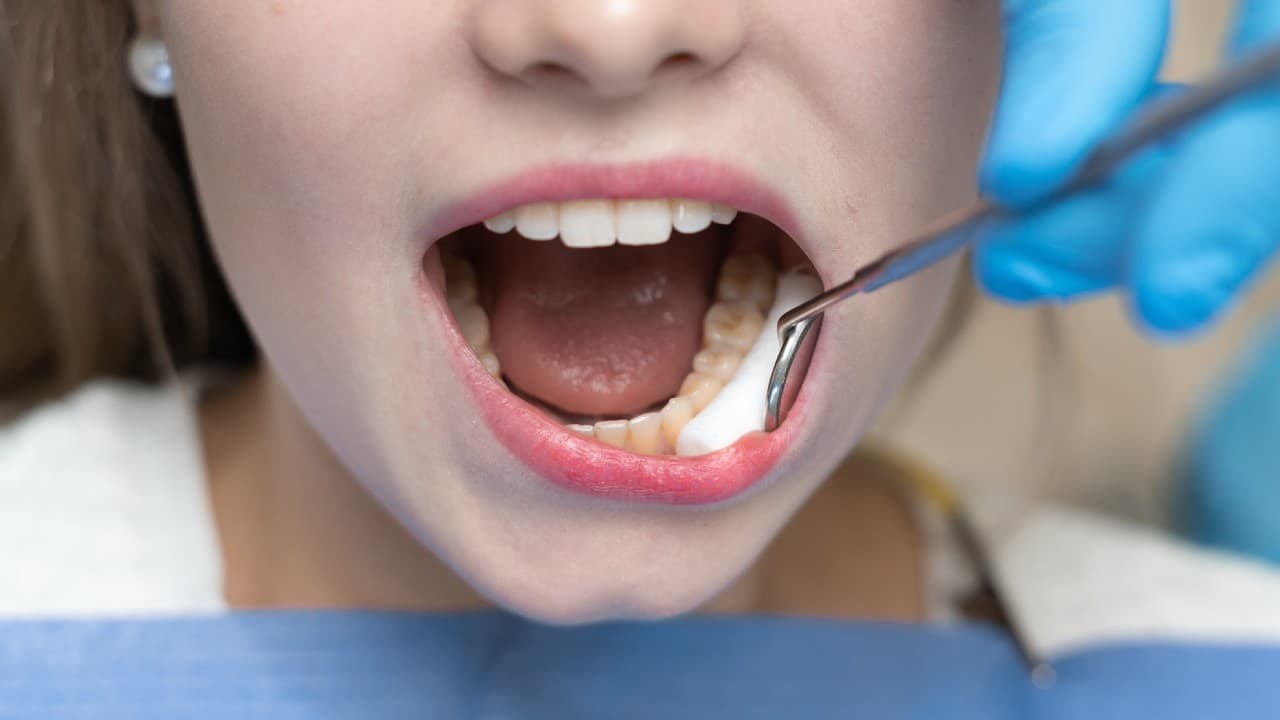
5. Treatment Plan and Conversation (10 to 20 minutes)
The most important part of a first visit is the conversation at the end. The dentist will walk you through what they found, show you the X-rays and intraoral photos on a screen, and explain any treatment they recommend. Good practices will:
- Separate truly urgent issues (active infection, broken teeth, deep cavities) from optional or cosmetic work.
- Give you a written treatment plan with estimated costs and what your insurance will cover.
- Let you ask questions and decide on your own timeline. You should never feel pressured to schedule treatment on the same day.
At the front desk before you leave, you will book your next cleaning (typically 6 months out) and any treatment appointments you decided to schedule.
Questions Worth Asking
Most patients leave a first visit having said almost nothing. The appointment is more useful when you come prepared with a few questions. Some good ones:
- What is the condition of my gums and bone, and is there anything I should be doing differently at home?
- Are any of the issues you mentioned urgent, and which ones can wait?
- Are there any habits, like grinding or clenching, that show up in my exam?
- What is the estimated out-of-pocket cost for the work you are recommending?
- Are there ways to space out the treatment if I cannot do it all at once?
How Much Does a First Dental Visit Cost?
Without insurance, a new patient exam, X-rays, and cleaning typically run between 150 and 350 dollars. The exact price depends on the type of X-rays taken and whether a basic cleaning or a more involved cleaning is needed.
With dental insurance, preventive visits (exams, cleanings, and X-rays) are usually covered at 100 percent up to your annual maximum. Most PPO plans cover two cleanings per year. Many practices offer a new patient special that bundles the first exam, X-rays, and cleaning at a reduced rate for patients without insurance.
Any work beyond preventive care (fillings, crowns, root canals, cosmetic treatment) will be reviewed before it is scheduled so you know what it costs and what is covered.
If You Have Dental Anxiety
Dental anxiety is extremely common. Roughly one in three adults reports some level of fear about going to the dentist, and somewhere between 10 and 15 percent avoid the dentist entirely because of it. There are practical ways to make the first visit easier:
- Tell the front desk when you book. They will flag your chart so the team paces the visit slowly and explains each step before they do it.
- Ask for nitrous oxide (laughing gas). It is the mildest form of sedation, takes effect in minutes, and wears off completely within 5 minutes of stopping. You can drive yourself home afterward.
- Bring headphones and listen to music or a podcast during the cleaning.
- Agree on a signal. A raised hand means "pause, I need a break." Most teams use this automatically with anxious patients.
- Schedule the appointment for a low-stress time. A morning visit on a day off is usually easier than squeezing it in before a meeting.
If You Have Not Been in Years
This is one of the most common reasons people delay calling. You will not be lectured, and your visit follows the same structure as anyone else's. The dentist's job is to look at where things are today and help you build a plan forward, not to scold you for the past.
Expect that more issues may show up at your first visit than at a routine recall, especially bleeding gums, early decay, or worn fillings. A good practice will prioritize the urgent items first and let the rest wait until you are ready to address it. The hardest part is making the appointment. Once you are sitting in the chair, the rest moves quickly.
Bringing a Child for Their First Visit?
The American Academy of Pediatric Dentistry recommends a first dental visit by age 1 or within 6 months of the first tooth coming in. For older children, see our guide on when to take your baby to the dentist for a more detailed breakdown. The visit is shorter than an adult appointment and focuses on familiarity, getting comfortable in the chair, and a quick count of any teeth they have so far.
What Happens After Your First Visit
After your appointment, you will leave with a clean mouth, a written treatment plan, a printed cost estimate, and a follow-up appointment booked. The hygienist will give you any product recommendations they made during the cleaning (a specific toothpaste, floss type, or mouthwash), and the dentist will let you know which items on the treatment plan should be scheduled first.
From there, you are on a 6 month recall schedule for cleanings and exams. Showing up consistently is the single most important thing you can do for long-term oral health, because most dental problems are cheaper, faster, and less painful to fix when they are caught early.
The Bottom Line
A first dental visit is paperwork, X-rays, an exam, a cleaning, and a conversation. It takes 60 to 90 minutes, and the toughest part is the moment before you walk in the door. At MySmile Dental Care in Anaheim Hills, Dr. Bhatia and the team welcome new patients at every stage, whether you have been keeping up with regular care or it has been many years since your last visit. Call us or book online and we will take it from there.
Frequently Asked Questions
How long does a first dentist appointment take?
Plan on 60 to 90 minutes for a new patient visit. The added time over a routine recall (which is closer to 45 minutes) covers new patient paperwork, a full set of X-rays, a comprehensive exam, and the conversation about your treatment plan. If you need a cleaning the same day, that adds another 30 to 60 minutes.
What should I bring to my first dental appointment?
Bring a photo ID, your dental insurance card (or insurance information), a list of any medications you take, and the contact information for your previous dentist if you have one. If you have recent dental X-rays from another office, you can request that they be forwarded so you avoid retaking them.
Do I get a cleaning at my first dentist appointment?
Most offices do a cleaning at the first visit if your gums are healthy. If the dentist finds signs of gum disease or heavy tartar buildup, they may schedule a separate appointment for a deep cleaning (scaling and root planing) instead, because that procedure takes longer and may require numbing.
Will I need X-rays at my first dentist visit?
Yes, unless you have recent X-rays from another dentist that can be transferred. New patients typically get a full mouth series or a panoramic X-ray plus bitewings. This gives the dentist a baseline view of your teeth, bone, and any hidden decay between teeth that they cannot see during a visual exam.
How much does a first dentist visit cost without insurance?
A new patient visit with an exam, X-rays, and a cleaning typically costs between 150 and 350 dollars without insurance. With dental insurance, preventive visits are usually covered at 100 percent. Many practices, including MySmile Dental Care, offer a new patient special that bundles the exam, X-rays, and cleaning at a reduced rate.
What if I have not been to the dentist in years?
You are far from alone, and your dentist will not lecture you. The visit follows the same steps regardless of how long it has been. The dentist will assess your current condition, prioritize anything urgent like pain or infection, and then build a treatment plan to bring your mouth back to health one step at a time. The hardest part is making the appointment.
Can I get sedation at my first dental visit?
Nitrous oxide (laughing gas) is available at most general visits and can be added on the day of your appointment. Oral sedation and IV sedation require advance scheduling and a brief health review, so let the office know when you book if you want one of those options. For a first visit, simply tell the front desk about your anxiety and they will pace the appointment accordingly.
Disclaimer
This article is for informational purposes only and does not constitute dental or medical advice. It is not a substitute for professional dental care, diagnosis, or treatment. Always consult your dentist or other qualified health care provider with any questions you may have about a dental condition or treatment. Reading this content does not establish a patient-provider relationship with MySmile Dental Care.
New to MySmile Dental Care?
Dr. Bhatia welcomes new patients of every age and comfort level. Book your first visit and we will walk you through every step, answer your questions without pressure, and build a treatment plan that fits your goals and budget. Ask about our new patient special.